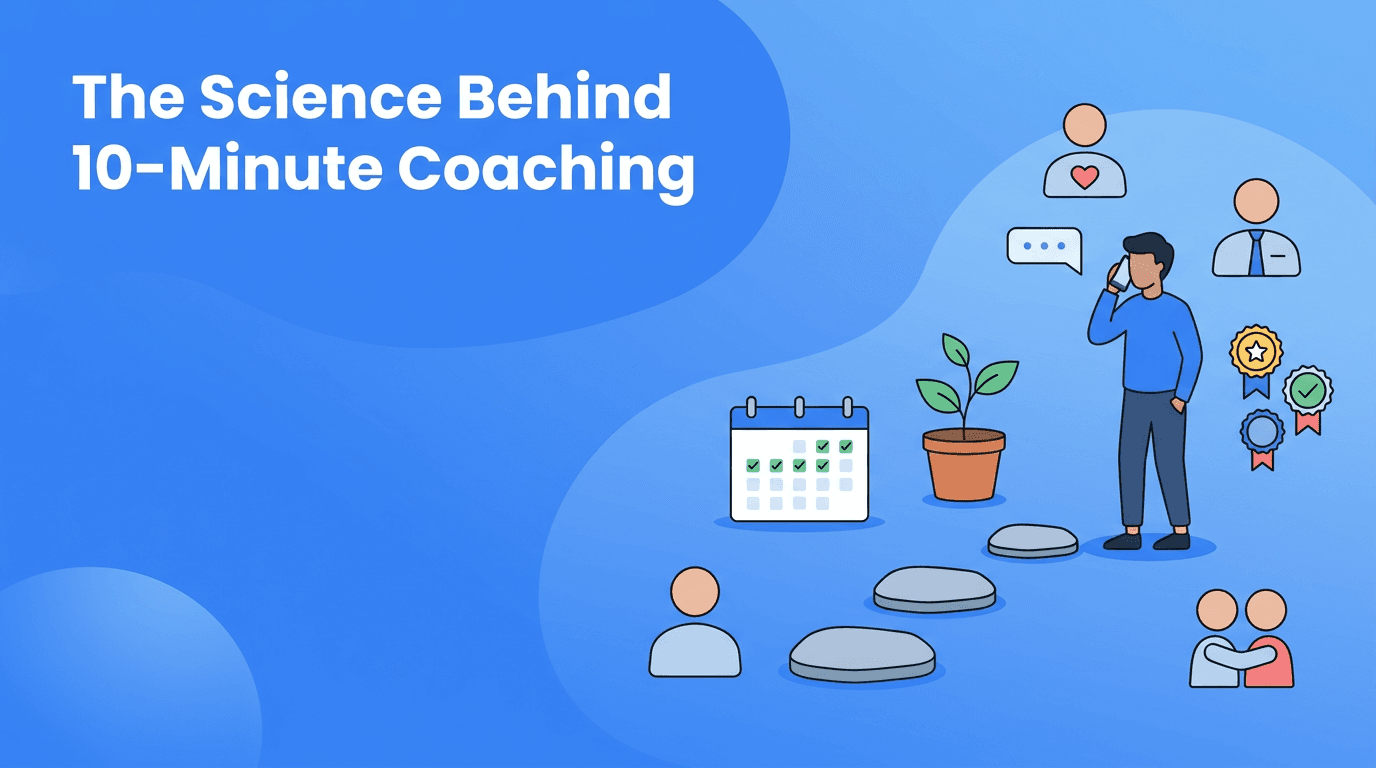
AI Coaching Science: Why Haply Uses Micro-Sessions for Real Change
AI coaching science explains why Haply uses short, personalized sessions, habit streaks, and specialized coaches to support lasting behavior change without overwhelm.
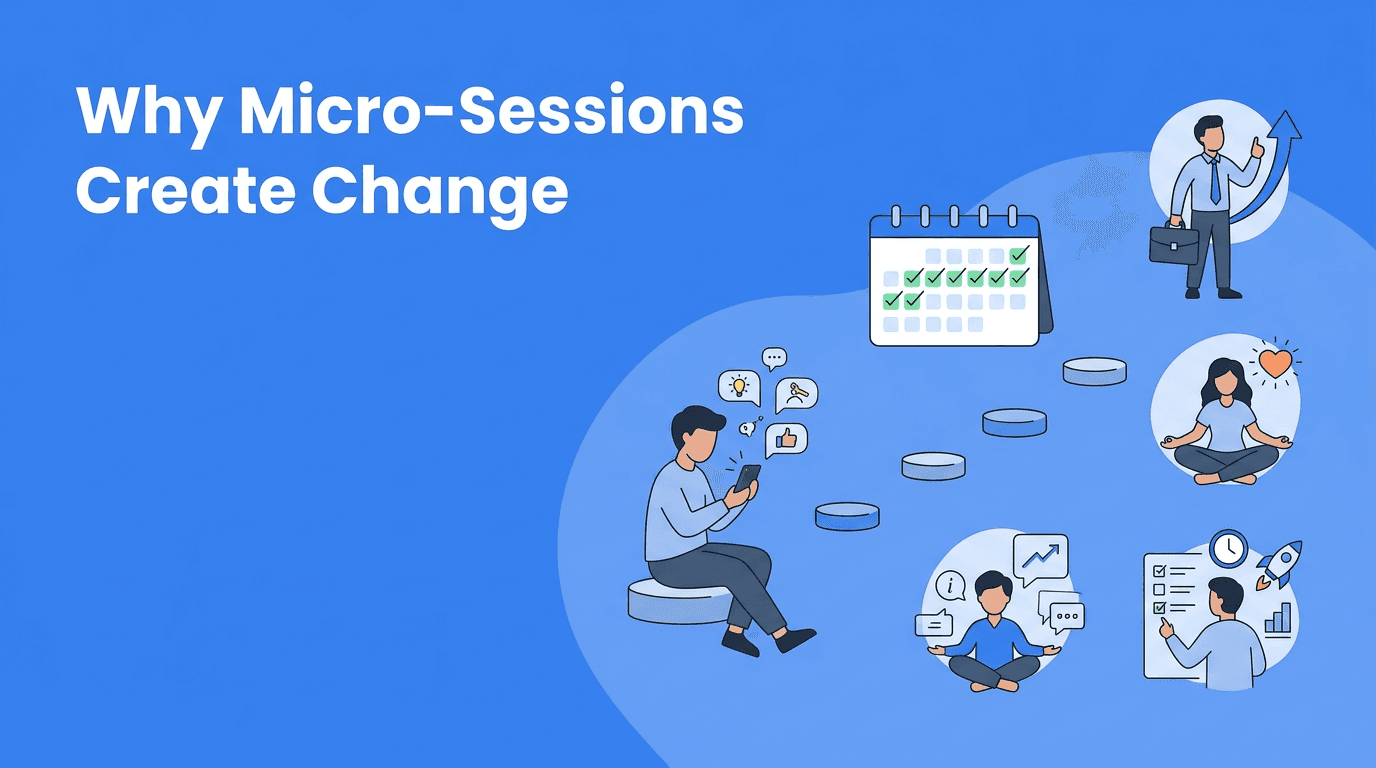

By Haply Team
Haply Editorial Team
AI coaching science is not just about putting a chatbot in front of someone and hoping for insight. At Haply, the approach is built around a simple idea: behavior change works better when support is short, timely, personalized, and specific. That is why the app combines microlearning coaching, habit streaks, specialized AI coaches, and progress systems designed to make action feel more doable than overwhelming.
Why Haply starts with small, repeatable moments
Many people do not fail because they lack motivation. They fail because the advice they get is too broad, too long, or too disconnected from real life. Haply's philosophy is that coaching should meet people where they are, especially on ordinary days when energy, focus, and confidence are limited. Instead of asking for a dramatic life overhaul, Haply encourages small decisions that can be repeated, because repetition is what turns insight into change.
The microlearning coaching principle
Microlearning coaching applies a well-studied learning principle: people absorb and use information better when it arrives in small, relevant chunks. A 10 to 15 minute session lowers resistance, fits into a busy schedule, and gives the brain a clear next step rather than a pile of concepts. In practice, that means users are more likely to complete a session, remember the key takeaway, and act on it the same day.
- Short sessions reduce friction. Starting feels easier when the commitment is only a few minutes.
- Smaller lessons improve retention. One focused idea is easier to remember than a long lecture.
- Immediate application matters. People change faster when they can use what they learn right away.
- Consistency beats intensity. A brief session repeated often usually outperforms a long session done rarely.
Why 10 to 15 minute coaching sessions are effective
There is a practical reason Haply favors short coaching sessions: attention and decision-making are limited resources. In behavioral psychology, even helpful actions can be avoided if they feel mentally expensive. A short coaching window creates a manageable entry point. You can reflect, choose one action, and return to your day with momentum still intact. This improves coaching effectiveness because the session becomes part of life, not an interruption to it.
Short sessions also support the coaching process itself. Good coaching is not only about insight. It is about implementation, review, and adjustment. Frequent, brief check-ins allow users to test a strategy, notice what happened, and refine it quickly. Over time, this creates a feedback loop that is often more useful than occasional deep sessions with no follow-through.
"Lasting change rarely comes from one breakthrough. It comes from small actions repeated with awareness."
The science behind habit streaks and daily momentum
Habit streaks can look simple on the surface, but they work because they turn progress into something visible. When people see a streak continue, they begin to connect their identity to the action. The goal shifts from "I should do this" to "I am someone who shows up." That identity effect is one reason streaks can strengthen follow-through.
Haply uses reminders, streaks, and a Today Dashboard not to pressure users, but to support behavioral consistency. In the science of habits, cues and rewards matter. A reminder serves as the cue. Completing a session, logging a habit, or checking off a task becomes the action. Seeing progress, preserving a streak, or earning a small achievement acts as the reward. This loop helps behaviors become easier to repeat.
- Cues make the next action easier to notice.
- Streaks make consistency visible.
- Small rewards create positive reinforcement.
- Daily review helps users recover quickly after missed days instead of quitting.
How personalized coaching improves over time
One of the biggest differences between thoughtful AI coaching and a generic chatbot is memory with purpose. Personalized coaching becomes more effective when the system learns your goals, patterns, preferred tone, obstacles, and progress markers. Haply's goal-based onboarding, chat history, and activity signals help shape coaching around the user's actual context rather than generic motivation.
This matters because advice is only useful when it fits the person receiving it. Someone struggling with burnout needs a different coaching path than someone trying to build study habits or manage spending. As patterns become clearer, coaching can become more precise: shorter prompts when energy is low, stronger accountability when follow-through drops, or more reflective questions when a user is stuck in indecision. This is where AI coaching science becomes practical, not theoretical.
Why specialized coaches outperform generic chatbots
A generic chatbot can be engaging, but it often lacks structure, domain focus, and behavior-change intent. Haply takes a different route by offering specialized AI coaches across areas like Productivity, Wellness, Career, Learning, Finance, Creativity, and Relationships. Each coach is designed around the kinds of questions, obstacles, and action steps that matter in that domain.
Specialization improves coaching effectiveness because it reduces vague advice. A productivity coach can help break down a project into tasks and support execution with tools like a Focus Timer or Task Planner. A wellness coach can pair reflection with breathing exercises, meditation, or sleep support. A finance coach can connect insight to a Budget Tracker. In other words, the coaching is not just conversational. It is paired with the right behavioral tool for the job.
Why domain-specific guidance feels more useful
- It matches the real problem instead of giving generic encouragement.
- It creates better next steps because the advice fits the context.
- It connects insight to tools like planners, trackers, and focused mini-apps.
- It increases trust because users feel understood in the area they actually want to improve.
Gamification with a purpose, not as decoration
When people hear gamification, they sometimes think of badges with no meaning. But well-designed gamification can support behavior change when it reinforces effort, progress, and persistence. Haply uses levels, achievements, and visible progress to make growth easier to notice. This matters because motivation often drops when progress feels invisible, even when real change is happening.
In behavioral terms, gamification works best when it gives immediate feedback for actions that serve a larger goal. Completing a coaching session, maintaining a streak, or reaching a milestone gives the brain a clear signal: this action matters. Over time, these signals can help bridge the gap between intention and routine. The key is that the reward system supports meaningful behavior, rather than distracting from it.
Curious how this feels in practice?
Try Haply on iOS or Android and experience short, personalized coaching sessions, smart habit support, and specialized tools built for real life.
Try Haply FreeHow Haply turns methodology into daily design
The real strength of Haply is that its philosophy appears in the product design, not just in marketing language. The Today Dashboard creates a low-friction daily starting point. The chat-based sessions make support feel immediate. The habit tracker and reminders encourage consistency. Mini-apps like Focus Timer, Task Planner, Meditation, Sleep Stories, Budget Tracker, and Idea Board help users act on coaching instead of stopping at reflection. Together, these elements create a system where AI coaching science, microlearning coaching, and personalized coaching reinforce one another.
This is also why a 7-day free trial makes sense for skeptical users. The value of coaching is best understood through repeated use, not a single conversation. Once users experience how short sessions stack into momentum, how personalized coaching becomes sharper over time, and how specialized support feels different from generic chat, the methodology becomes visible through results.
Frequently Asked Questions
Why are 10 to 15 minute coaching sessions effective?
Short coaching sessions reduce mental friction, fit more easily into daily life, and make it easier to apply one clear action immediately. That combination often improves follow-through and retention.
How does AI personalization improve coaching over time?
AI personalization improves coaching by learning your goals, habits, obstacles, and progress patterns. This helps the guidance become more relevant, timely, and actionable with repeated use.
Do habit streaks actually help behavior change?
Yes, habit streaks can support behavior change by making consistency visible and rewarding repeat action. They are especially useful when paired with reminders, clear cues, and realistic goals.
Why are specialized AI coaches better than generic chatbots?
Specialized AI coaches provide more relevant guidance because they are focused on a specific life area, such as productivity, wellness, or finance. That makes the advice more practical and easier to act on.
What makes Haply different from other AI apps?
Haply combines specialized coaching, microlearning-style sessions, habit tracking, and action tools in one system. Its design is built around coaching science and behavior change, not just conversation.