Creative Hobbies for Adults: A Tiny Experiments Guide to Finding Your Creative Outlet
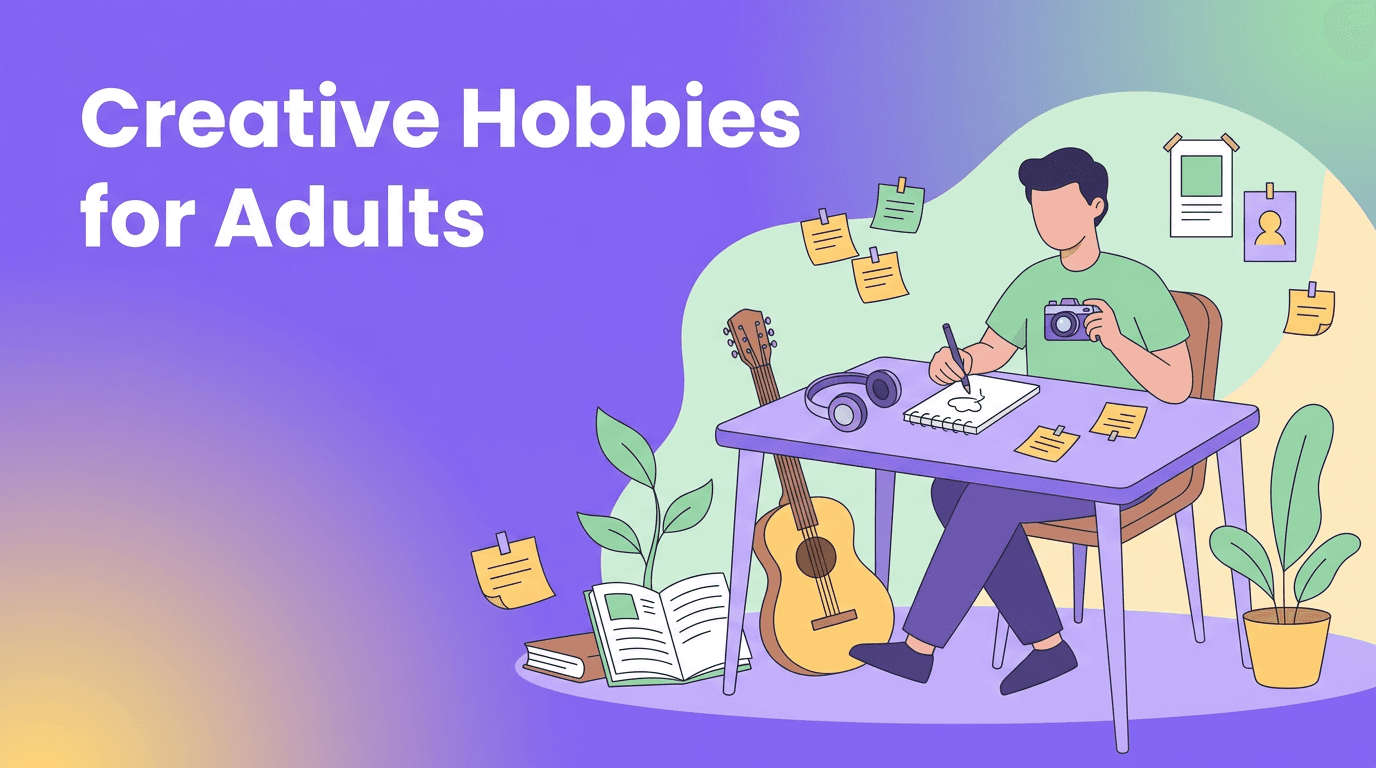
Creative hobbies can do more than fill spare time. They can become a playful creative outlet that reconnects you with art, music, photography, and adult learning, one tiny experiment at a time.

By Haply Team
Haply Editorial Team
Creative hobbies are not just cute weekend accessories. They are one of the easiest ways to build a real creative outlet into adult life, especially when work, errands, and doom-scrolling keep eating the good parts of your brain.
If you have been saying, "I wish I did something creative, but I do not know where to start," good news: you do not need a grand talent reveal. You need tiny experiments. This playful approach helps you test art, music, photography, writing, and hands-on projects without turning your hobby into a second job.
Why creative hobbies matter more in adulthood
As kids, we make things because it is fun. As adults, we often stop unless we are "good" at it. That is a terrible trade. Creative hobbies for adults bring back curiosity, reduce pressure, and create space for adult learning that feels energizing instead of obligatory.
- They give your mind a break from purely practical thinking
- They help you process emotions through a creative outlet
- They build confidence through small wins
- They make adult learning feel personal and enjoyable
- They add novelty, which can wake up motivation and fresh ideas
"Creativity is not a luxury for rare genius types. It is a human way of paying attention."
The tiny experiments method for trying creative hobbies
Instead of asking, "What is my one true hobby?" ask, "What can I test for 20 minutes this week?" That question is lighter, kinder, and much more useful. The goal is not to commit forever. The goal is to notice what gives you energy.
Step 1: Pick three low-pressure options
Choose one hobby from each of these buckets: art, music, and image-making. For example, doodling with markers, learning one song on a keyboard app, and taking five street photos on your phone. This gives you variety without chaos.
Step 2: Make the session ridiculously small
Your first session should be so easy it feels almost silly. Try 10 to 20 minutes. Short sessions reduce resistance and make creative hobbies feel accessible, not exhausting.
Step 3: Track energy, not performance
- Did time move quickly?
- Did I want to keep going?
- Did I feel calmer, more curious, or more alive afterward?
- Would I do this again next week without bribing myself?
This is where many adults get stuck. They judge output instead of experience. Your hobby is not auditioning for a panel of judges. It is helping you discover a sustainable creative outlet.
Three great starter paths: art, music, and photography
Art for adults who think they are "not artistic"
Try collage, sketching objects on your desk, watercolor swatches, or digital drawing. Art hobbies for adults work well because they produce visible progress fast. You do not need realism. You need repetition and permission to be delightfully uneven.
Music for adults who want expression without words
If you are drawn to music, start with rhythm before mastery. Tap beats, use a beginner keyboard app, sing along with one favorite song, or build playlists around moods. Music can be a powerful creative outlet because it lets you feel first and analyze later.
Photography for people who love noticing things
Photography is perfect if you enjoy details, walks, and visual storytelling. Pick a simple theme like shadows, doors, hands, or things that look like faces. A phone camera is enough. The real skill is learning to notice ordinary beauty more often.
Want support building a creative habit?
Haply is an AI life coaching app on iOS and Android with Creativity coaches, habit tracking, daily reminders, and an Idea Board mini-app to capture sparks before they vanish.
Try Haply FreeHow adult learning changes the way you approach hobbies
There is something sneaky and wonderful about adult learning. You are not learning because a teacher assigned it. You are learning because you chose it. That makes experimentation more meaningful, but it can also make you weirdly perfectionistic.
- Beginners often expect mature results too quickly
- Adults compare themselves to experts online
- Many people quit right before the hobby becomes enjoyable
- Small structured practice beats intense occasional effort
To stay with creative hobbies, build a learning loop: try, notice, adjust, repeat. If you use Haply, the Today Dashboard, streaks, and personalized coaching can make this loop easier to maintain, especially when motivation gets moody.
A 7-day creative outlet reset
If you want a simple reboot, try this playful weeklong plan:
- Day 1: Make a 10-minute collage from old paper or screenshots
- Day 2: Listen to one song and draw what it feels like
- Day 3: Take 10 photos of textures on a walk
- Day 4: Copy a simple sketch you like, just for practice
- Day 5: Create a tiny playlist for a mood you want more of
- Day 6: Photograph one ordinary object from five angles
- Day 7: Review the week and circle the activity that gave you the most energy
That final step matters most. The best creative hobbies are not always the ones you admire from afar. They are the ones you actually want to return to.
Your hobby does not need to be useful
This may be the most healing idea in the whole article: your creative outlet does not need to become a side hustle, a brand, or a personality trait. It can simply be a place where your mind stretches, plays, and remembers that making things is part of being human.
So try the class. Borrow the camera. Hum the melody. Buy the cheap markers. Let creative hobbies be messy, surprising, and slightly unhinged in the best possible way.
Frequently Asked Questions
What are the best creative hobbies for adults?
The best creative hobbies for adults are the ones that feel enjoyable and easy to revisit. Good starting points include sketching, collage, music practice, photography, creative writing, and simple crafts.
How do I find a creative outlet as an adult?
Start with tiny experiments in different areas like art, music, or photography. Pay attention to which activity gives you energy, curiosity, or calm, then repeat that one.
Is photography a good creative hobby for beginners?
Yes. Photography is beginner-friendly because you can start with a phone and practice noticing light, shapes, and everyday details right away.
Why are creative hobbies good for adult learning?
Creative hobbies support adult learning by making practice personal, flexible, and motivating. You learn through experimentation, reflection, and repetition instead of pressure.