Haply Methodology Explained: Why Short, Personalized Coaching Works
Curious about the Haply methodology? This guide breaks down the research behind short coaching sessions, personalization, habit streaks, and why focused AI coaches can improve coaching effectiveness over time.

By Haply Team
Haply Editorial Team
The Haply methodology is built on a simple idea: meaningful change is more likely when coaching fits real life. Instead of long sessions that demand perfect motivation, Haply uses short, focused interactions that reduce friction, support consistency, and improve coaching effectiveness over time. That design is not accidental. It reflects insights from AI coaching science, behavioral psychology, microlearning research, and the practical realities of habit change.
What makes the Haply methodology different?
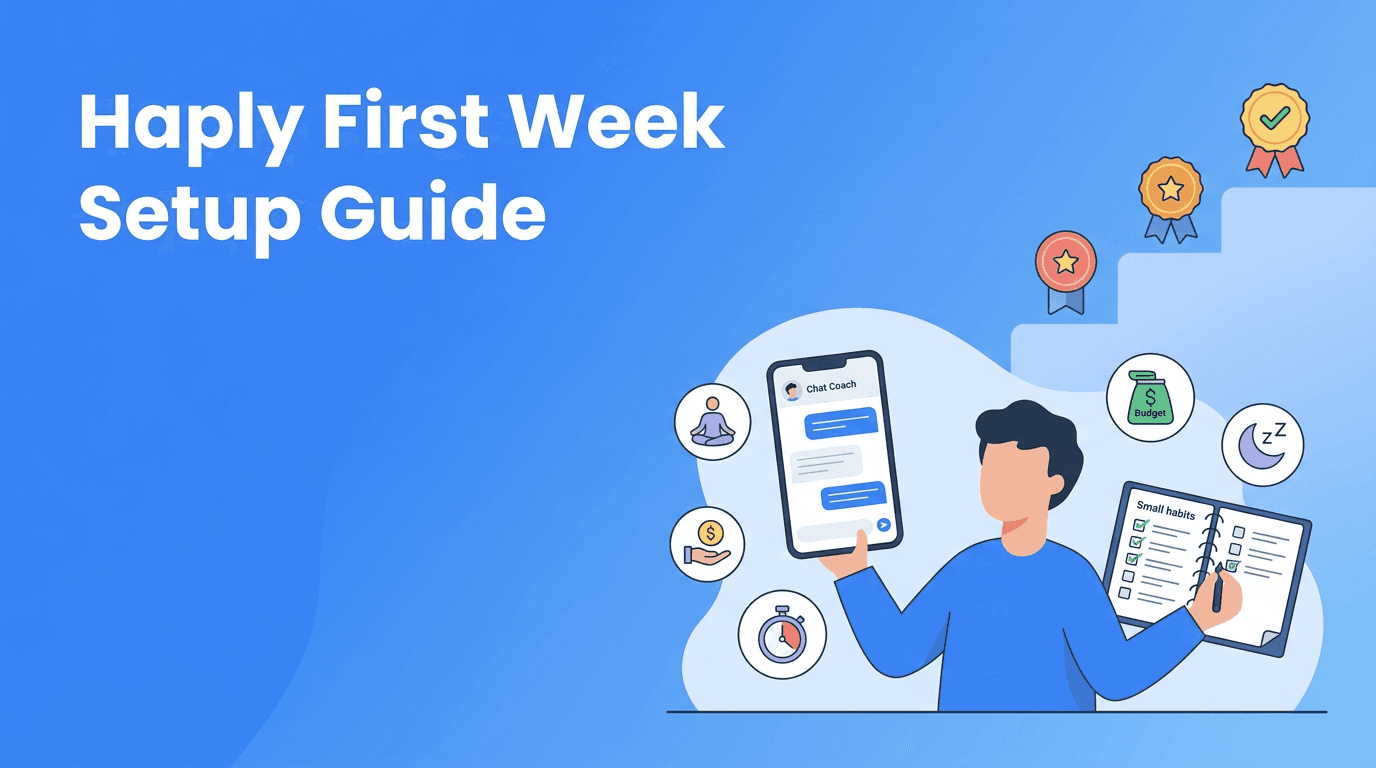
Many self-improvement tools offer either generic inspiration or overwhelming complexity. The Haply methodology takes a different path. It combines personalized coaching, specialized guidance by life area, and small actions that can be completed in 10-15 minutes. On iOS and Android, Haply gives users chat-based coaching, a Today Dashboard, reminders, streak tracking, and mini-apps like a Focus Timer, Task Planner, Meditation/Breathe, Sleep Stories, Budget Tracker, and Idea Board, all designed to turn insight into action.
- Short sessions lower resistance and make it easier to begin, even on busy days.
- Goal-based onboarding personalizes the experience from the start.
- Specialized AI coaches offer more relevant guidance than one-size-fits-all chatbots.
- Habit streaks and reminders reinforce consistency through visible progress.
- Levels and achievements add motivation without replacing intrinsic goals.
Why microlearning coaching works in 10-15 minutes
Microlearning coaching is effective because attention, energy, and motivation are limited resources. When a coaching session fits into a short window, it becomes easier to start and easier to repeat. Research on learning and behavior change consistently shows that people benefit from information delivered in manageable chunks, especially when they can apply it immediately.
Short sessions reduce cognitive overload
Long sessions often create a false sense of productivity. You may feel inspired in the moment, but leave with too many ideas and too little follow-through. A 10-15 minute format forces clarity. It helps users identify one useful insight, one realistic action, and one next step. That focus improves recall and makes behavior change more practical.
Repetition matters more than intensity
One powerful session rarely changes a life on its own. Repeated sessions shape patterns. This is where microlearning coaching shines. By returning to a goal in small, structured moments, users strengthen reflection, decision-making, and follow-through. In other words, coaching becomes a rhythm instead of a rare event.
"Lasting growth usually comes from what you can repeat, not what you can do once."
The science behind habit streaks and coaching effectiveness
Habit streaks work because they make consistency visible. In behavior change research, immediate feedback is a powerful motivator. A streak transforms an abstract goal like "be more disciplined" into a concrete signal: "I showed up today." That visible record supports identity formation, which is a major driver of long-term change.
Why streaks are psychologically powerful
- They reward completion immediately, which helps bridge the gap between effort and results.
- They reinforce identity, helping users see themselves as someone who follows through.
- They reduce decision fatigue, because continuing a streak is simpler than restarting.
- They make progress tangible, even before major outcomes appear.
- They encourage recovery, since missing once feels like a pause, not total failure.
In Haply, streaks are paired with reminders and a daily structure so users are not relying on memory alone. This matters because habits are shaped not just by motivation, but by cues, context, and repetition. The result is stronger coaching effectiveness through regular engagement rather than occasional bursts of effort.
How AI personalization improves coaching over time
Good coaching is never just about giving advice. It is about noticing patterns, adapting to the person, and helping them make better decisions in context. Personalized coaching becomes more useful when it remembers goals, obstacles, preferences, and progress. This is where AI can add real value when it is designed thoughtfully.
Personalization should get more relevant, not just more talkative
Generic chatbots often sound supportive, but their guidance can stay broad and repetitive. Haply is designed to use onboarding, session history, selected life areas, and user behavior signals to make coaching more relevant over time. If someone is working on productivity, sleep, finances, or relationships, the app can surface more fitting prompts, tools, and next steps instead of offering the same generic encouragement every day.
This is a core part of the Haply methodology. The system does not treat every user like they need the same script. It adapts based on goals and patterns, which supports better personalized coaching and stronger long-term engagement.
Why specialized coaches outperform generic chatbots
A general chatbot can answer almost anything, but broad capability is not the same as effective coaching. Specialized coaches are useful because behavior change is highly context-specific. The strategies that help someone build a study routine are different from the strategies that help them set boundaries, manage stress, or organize a budget.
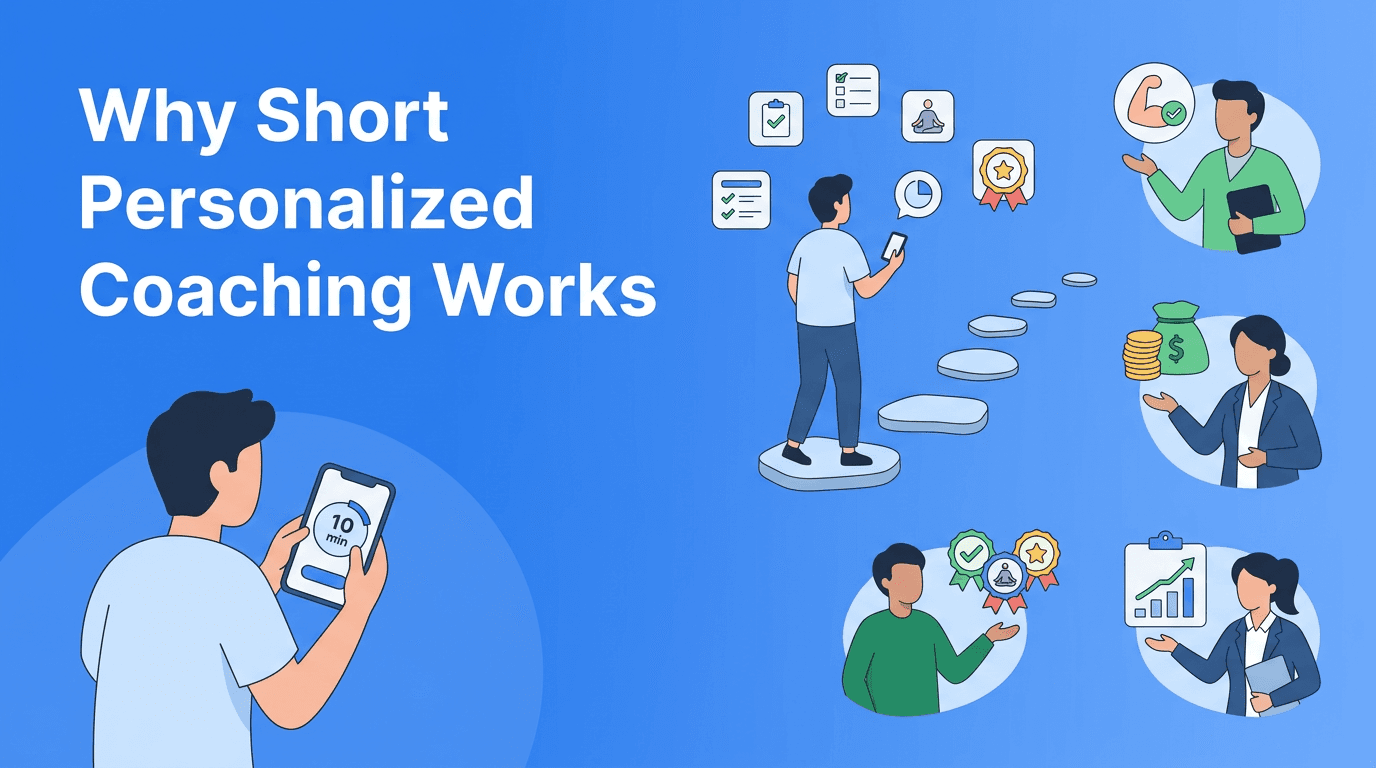
- Productivity coaching benefits from planning tools, focus structures, and accountability.
- Wellness coaching works better with calming practices, breathing exercises, and sleep support.
- Career coaching needs reflection prompts, decision frameworks, and confidence-building.
- Finance coaching becomes stronger with budgeting tools and spending awareness.
- Creativity coaching improves when idea capture and momentum-building are easy.
Haply includes specialized AI coaches across Productivity, Wellness, Career, Learning, Finance, Creativity, and Relationships. That specialization matters because it increases relevance, reduces vague advice, and makes each session feel more actionable. In terms of AI coaching science, specificity often leads to better follow-through than generic motivation alone.
The role of gamification in behavior change
Gamification is often misunderstood. When done poorly, it becomes shallow reward chasing. When done well, it supports motivation, feedback, and momentum. Haply uses levels and achievements not as distractions, but as reinforcement systems that help users notice progress they might otherwise overlook.
Why levels and achievements can help
- They create milestones, which break large goals into psychologically manageable steps.
- They provide feedback, so effort feels acknowledged before final results arrive.
- They increase momentum, especially when motivation dips.
- They make progress visible, which supports self-efficacy.
- They turn repetition into a journey, not just a checklist.
This matters because behavior change often feels slow. A person may be improving long before they fully see the external results. Levels, achievements, and streaks help bridge that motivation gap. They give the brain evidence that effort is accumulating, which can increase persistence.
Why Haply's design philosophy matters
The real strength of the Haply methodology is not any single feature. It is how the features work together. Short sessions reduce friction. Personalization increases relevance. Streaks support consistency. Gamification reinforces momentum. Specialized coaches improve the quality of guidance. The Today Dashboard brings it all into one daily view, making reflection and action easier to repeat.
This is what makes Haply feel thoughtfully designed rather than randomly assembled. The app reflects a research-informed view of behavior change: people grow when support is clear, timely, manageable, and tailored to real goals. That is the difference between an app that is interesting for a week and one that can genuinely support self-improvement.
Want to experience the Haply methodology yourself?
Try Haply on iOS or Android and see how short, personalized coaching sessions can fit into your day. Start with a 7-day free trial and build momentum with specialized AI coaches.
Try Haply FreeFrequently Asked Questions
What is the Haply methodology?
The Haply methodology is a research-informed coaching approach that combines short sessions, AI personalization, habit tracking, and specialized coaches to make behavior change more consistent and practical.
Why do 10-15 minute coaching sessions work?
Short coaching sessions reduce friction, improve focus, and make it easier to return consistently. They help users turn insight into one clear next action instead of overwhelming them.
How does AI personalization improve coaching?
AI personalization improves coaching by adapting guidance to your goals, patterns, and progress over time. That makes sessions more relevant and actionable than generic advice.
Are habit streaks actually effective for behavior change?
Yes, habit streaks can improve consistency by making progress visible and rewarding follow-through. They are especially effective when paired with reminders and realistic daily actions.
Why are specialized AI coaches better than generic chatbots?
Specialized AI coaches are better for coaching because they offer more relevant prompts, strategies, and tools for specific life areas like productivity, wellness, or finance. That specificity often leads to better follow-through.