Why Microlearning Coaching Works: The Science Behind Haply's Approach
Microlearning coaching is more than a trend. Learn how Haply uses short sessions, personalization, habit streaks, and specialized AI coaches to improve coaching effectiveness.

By Haply Team
Haply Editorial Team
Microlearning coaching sounds simple on the surface: shorter sessions, smaller steps, less friction. But the real value goes deeper. Haply's approach is built on a clear idea from behavioral science: people change more reliably when learning feels manageable, personalized, and easy to repeat. Instead of overwhelming users with long advice dumps, Haply turns growth into short, focused moments that fit real life.
Why shorter coaching sessions often work better
Many people assume coaching has to be long to be meaningful. In practice, the opposite is often true. 10-15 minute sessions reduce mental resistance, make it easier to start, and help users stay attentive. Research on microlearning suggests that smaller learning units improve retention because they lower cognitive overload and make information easier to apply immediately.
That matters for self-development. Most people are not struggling because they lack information. They are struggling because they need the right prompt, at the right time, in a format they can actually use. This is where microlearning coaching becomes practical rather than theoretical.
What a short session does well
- It creates a low barrier to entry, which makes consistency more likely.
- It helps users focus on one decision, one pattern, or one next step at a time.
- It fits naturally into busy schedules, which improves long-term follow-through.
- It supports immediate action, a key driver of coaching effectiveness.
The AI coaching science behind repetition and recall
Good coaching is not just about insight. It is about recall under real conditions. People need to remember what matters when stress rises, motivation drops, or routines break. The AI coaching science behind Haply reflects this. Short sessions, repeated touchpoints, and contextual prompts help users revisit useful ideas before they fade.
"Behavior change rarely fails because people do not care. It fails because the desired action is too hard to repeat in everyday life."
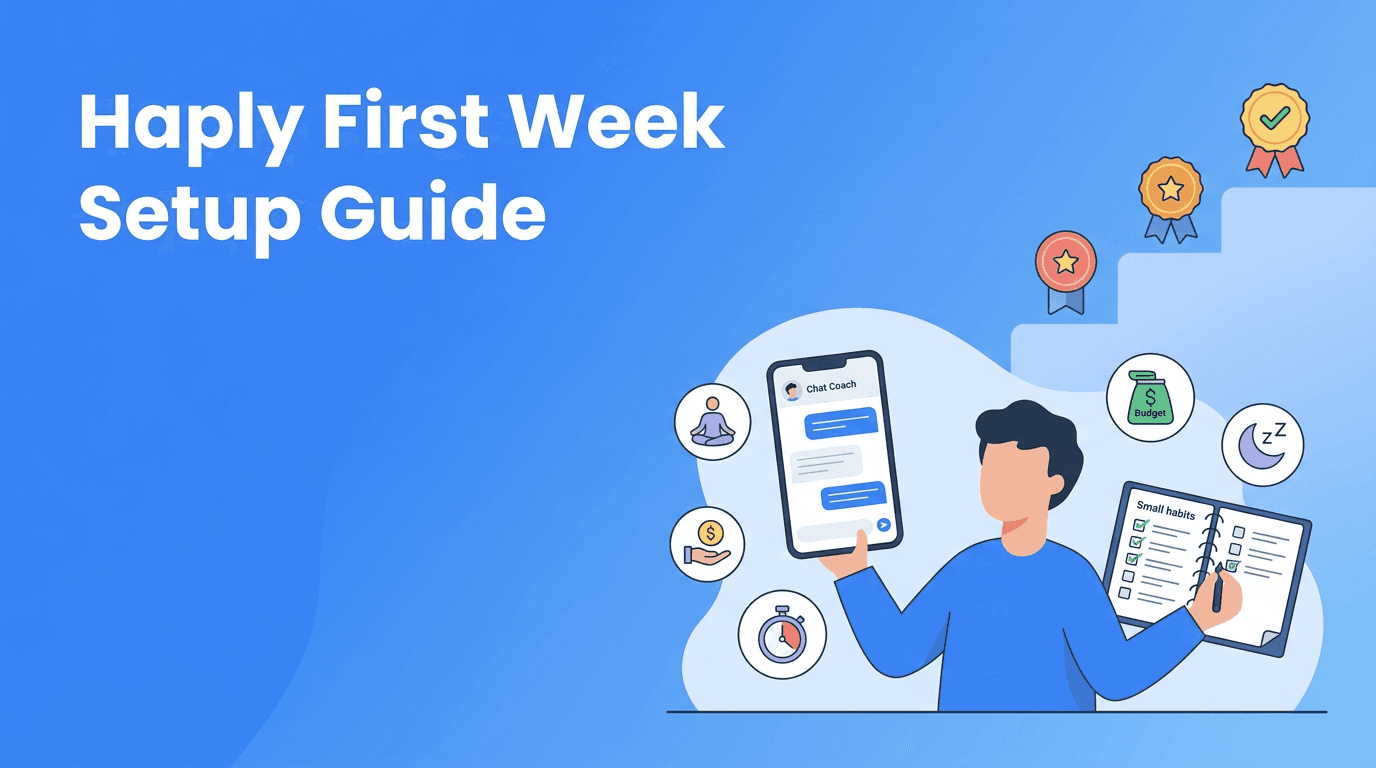
This is one reason Haply includes a Today Dashboard, reminders, and mini-tools such as a Focus Timer, Task Planner, Meditation/Breathe, Sleep Stories, Budget Tracker, and Idea Board. These are not random extras. They create more opportunities to translate coaching into action while the user's goal is still top of mind.
Why habit streaks matter for coaching effectiveness
The psychology of habit streaks is often misunderstood. A streak is not magic, and it should not become a source of guilt. Its real power is that it makes consistency visible. When people can see evidence that they have shown up repeatedly, they build a stronger identity around the behavior. That identity shift often matters more than raw motivation.
- Streaks provide immediate feedback on consistency.
- They reinforce the feeling of progress, even when results are gradual.
- They support self-trust by showing, "I am someone who keeps going."
- They make missed days easier to notice early, before a lapse becomes a full dropout.
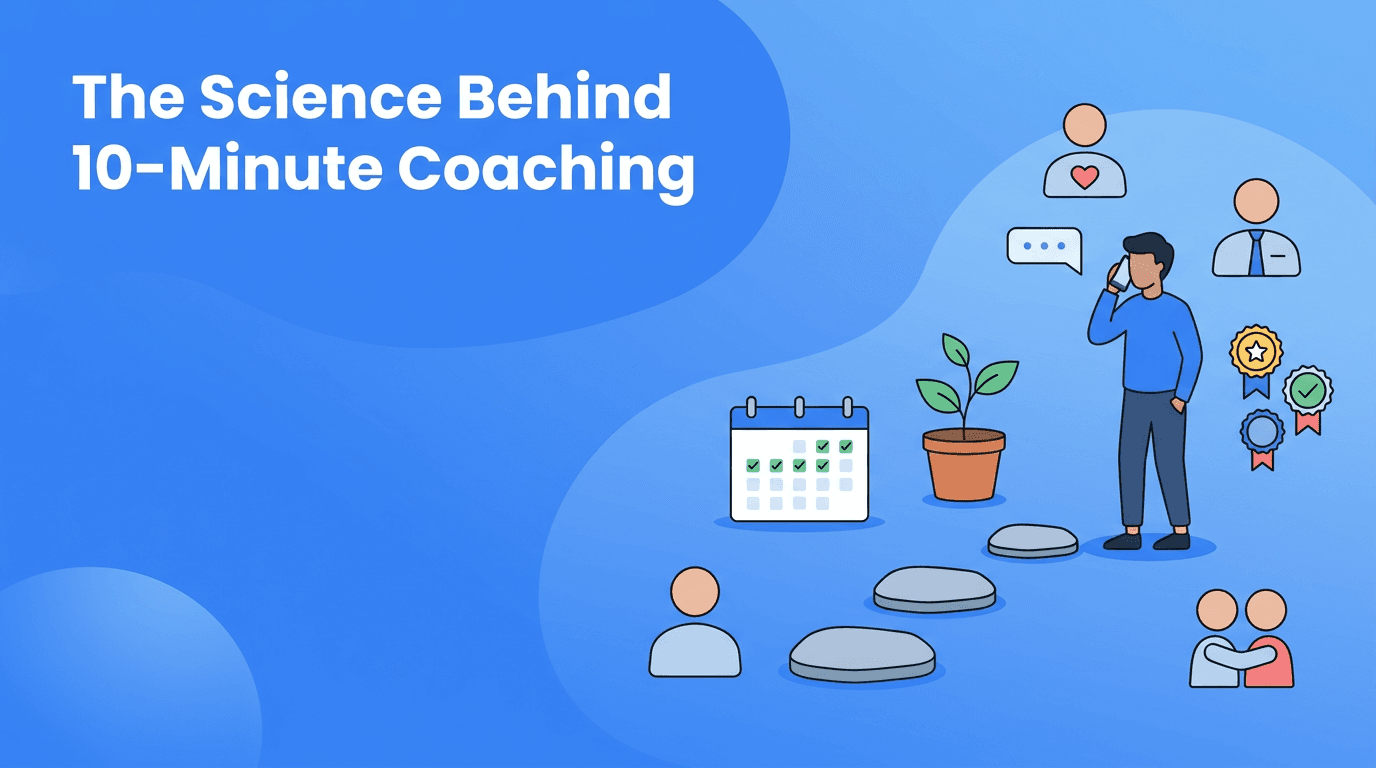
Haply's habit tracker uses streaks and daily reminders to support this loop. The goal is not perfection. The goal is pattern awareness. In coaching, seeing your behavior clearly is often the first step toward changing it.
How personalized coaching gets better over time
One of the biggest limits of traditional advice content is that it stays static. A blog post cannot adapt. A generic chatbot often responds broadly. Personalized coaching improves on both by adjusting to the user's goals, behavior, and preferences over time. Haply begins this process during goal-based onboarding, then continues refining the experience through ongoing chat-based sessions and tool usage patterns.
Why personalization increases relevance
- It reduces generic advice and increases context-specific guidance.
- It can match coaching prompts to the user's current life area, such as productivity, wellness, career, learning, finance, creativity, or relationships.
- It helps surface the right tool at the right moment, instead of asking users to search for help while already overwhelmed.
- It supports better coaching effectiveness because useful advice is easier to act on when it matches the user's situation.
This is where AI coaching science becomes especially important. Personalization is not valuable because it feels futuristic. It is valuable because relevance improves action. The more a system learns what helps a user move forward, the more the coaching experience can become focused instead of noisy.
Why specialized coaches outperform generic chatbots
Generic chatbots can be flexible, but flexibility is not the same as coaching quality. In self-development, people usually need more than open-ended conversation. They need structure, domain logic, and guidance designed for a specific goal. Haply uses specialized AI coaches across key life areas, which makes the experience more intentional than a one-size-fits-all assistant.
A productivity challenge, for example, is not the same as a relationship challenge. The questions, prompts, and recommended actions should differ. Specialized coaches can guide users through more relevant frameworks, better follow-up, and more appropriate mini-tools. This is a core part of personalized coaching and a major reason users often experience stronger momentum than they do with generic chat interfaces.
Gamification, levels, and achievements in behavior change
Some people hear "gamification" and think of shallow rewards. Done poorly, that criticism is fair. Done well, gamification supports motivation by making progress visible, concrete, and emotionally satisfying. Haply's levels and achievements work best when they reinforce meaningful effort, not empty tapping.
- Levels give users a sense of progression over time.
- Achievements mark milestones that might otherwise go unnoticed.
- Visible progress can increase motivation during periods when results are still emerging.
- Small wins help maintain engagement between larger breakthroughs.
In behavior change research, motivation often strengthens when effort is recognized quickly. Long-term goals can feel abstract. A level gained today or a streak maintained this week creates a shorter feedback loop. That makes it easier to continue, especially during the early stages of habit formation.
Try research-informed coaching in real life
Haply is an AI life coaching app for iOS and Android that combines short coaching sessions, specialized guidance, habit tracking, mini-apps, and personalized support across multiple life areas. You can explore it with a 7-day free trial.
Try Haply FreeA methodology built for real life, not ideal life
The strongest part of Haply's design is that it respects how people actually behave. Real users are busy, distracted, inconsistent, and still capable of meaningful growth. Microlearning coaching works because it meets people where they are, then helps them build momentum through repetition, relevance, and visible progress.
That is also why Haply combines coaching sessions with practical tools. Reflection matters, but reflection alone is rarely enough. The ability to plan a task, start a focus session, regulate stress, track a budget, or capture an idea inside the same ecosystem makes change easier to sustain.
What this means if you are choosing a coaching app
If you are evaluating coaching tools, it helps to look past surface features and ask a better question: What theory of change is this app built on? Haply's answer is clear. Growth becomes more likely when coaching is short enough to start, personalized enough to matter, structured enough to guide action, and rewarding enough to repeat.
That combination is what gives the platform its practical edge. It is not trying to be everything at once. It is trying to make self-development more usable, more evidence-informed, and more consistent in daily life.
Frequently Asked Questions
What is microlearning coaching?
Microlearning coaching is a coaching approach built around short, focused sessions that are easier to start, remember, and apply. It helps reduce overwhelm and supports consistent action.
Why are 10-15 minute coaching sessions effective?
Short coaching sessions reduce friction, improve attention, and make it easier to act right away. They fit daily life better than longer sessions that require more time and energy.
How do habit streaks help behavior change?
Habit streaks make consistency visible and reinforce a sense of progress. They can strengthen identity and help people notice lapses before they become long breaks.
Why are specialized AI coaches better than generic chatbots?
Specialized AI coaches can use more relevant prompts, frameworks, and follow-up for specific life areas. That makes the guidance more actionable than broad, one-size-fits-all chatbot responses.
How does personalized coaching improve over time?
Personalized coaching improves as the system learns more about your goals, patterns, and preferences. This helps surface more relevant guidance and tools when you need them most.