
Writing Sprints for Content Creation: A Fast Track to Better Storytelling
Writing sprints can transform writing, content creation, and storytelling by helping you beat hesitation, build momentum, and create more in less time.
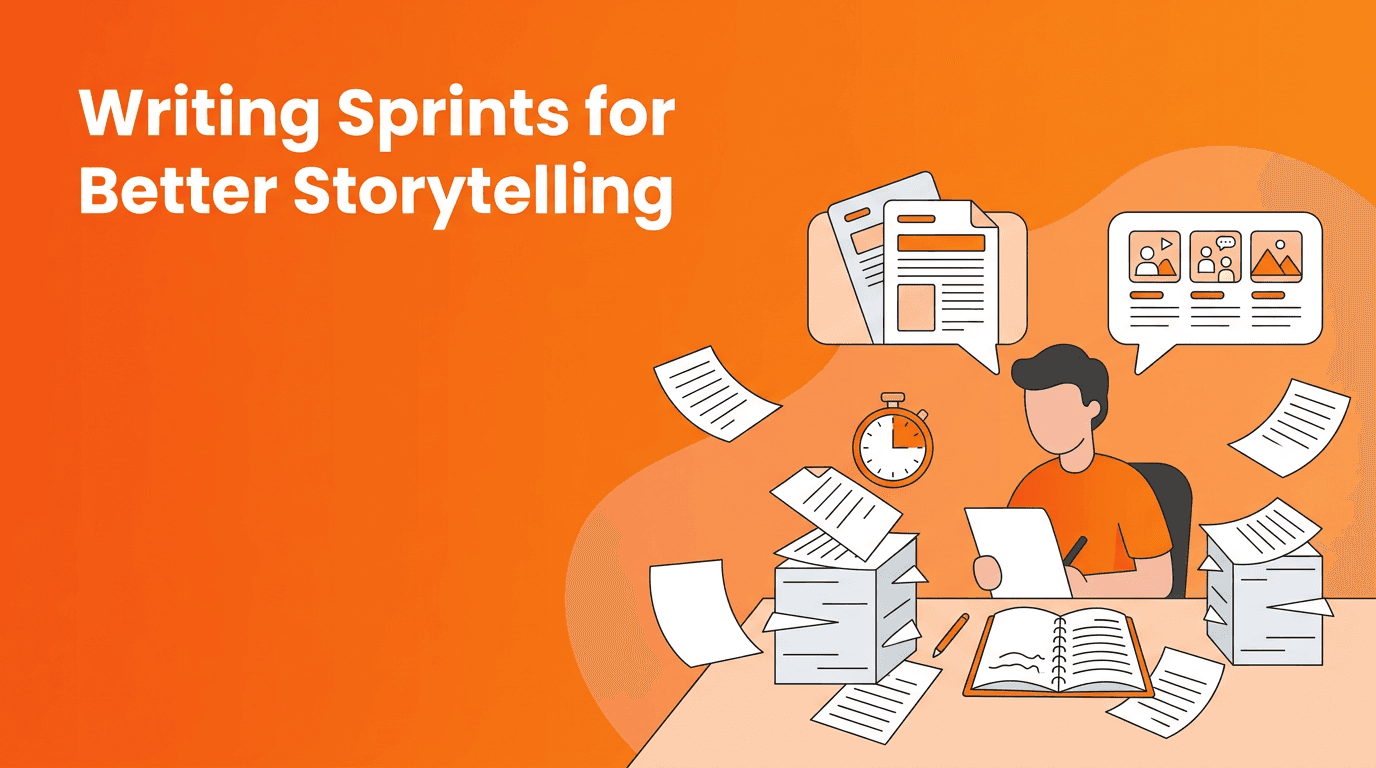

By Haply Team
Haply Editorial Team
If your writing routine feels slow, scattered, or overly self-critical, writing sprints can help. This simple method gives content creation, storytelling, journaling, and creative writing a clear container so you can produce words before doubt takes over.
Why writing sprints work for modern creators
A sprint is a short, focused burst of writing, usually 10 to 25 minutes, where the goal is movement, not polish. For aspiring writers and content creators, this matters because most creative work stalls before it starts. A small timed session lowers resistance and helps your brain switch from planning to producing.
- Writing feels easier when the task has a finish line
- Content creation becomes less intimidating when you work in short rounds
- Storytelling improves because you stay immersed in the scene or idea
- Journaling becomes more honest when you stop editing every sentence
- Creative writing gets more playful when speed outruns perfection
"You do not need more time to begin. You need a smaller starting point."
A 4-step writing sprint system
1. Pick one tiny outcome
Before the timer starts, decide what this sprint is for. Keep it narrow. Write a blog intro, sketch three social captions, draft one personal essay scene, or fill one journal page. Clear scope is what makes writing sprints effective.
2. Remove decision friction
Open the document, silence notifications, and place a prompt at the top of the page. For example: "What does my reader need right now?" or "What changed in this moment?" Decision fatigue steals more energy than the writing itself.
3. Write before you evaluate
During the sprint, do not backspace your way into silence. If you get stuck, write placeholders like [add example] or [find better phrase later] and keep moving. This is especially useful for content creation because first drafts need momentum before refinement.
4. End with a bridge sentence
When the timer ends, leave yourself one line about what comes next. Example: Next, explain the mistake beginners make with hooks. That sentence makes it much easier to return for the next sprint.
Build your creative rhythm with Haply
Need help staying consistent? Haply is an AI life coaching app with Creativity coaches, habit tracking, reminders, and an Idea Board mini-app to capture story angles and writing prompts between sprints.
Try Haply FreeHow to use writing sprints for different creative goals
For storytelling
Use a sprint to write one emotional beat, one scene, or one character memory. Strong storytelling often comes from staying inside a moment long enough to notice sensory details, conflict, and change.
For content creation
Try a three-sprint workflow: sprint one for ideas, sprint two for a rough draft, sprint three for editing. This structure helps creators publish more consistently without waiting for ideal motivation.
For journaling and creative recovery
When your mind feels crowded, use journaling as a warm-up sprint. Write freely about stress, envy, excitement, or unfinished thoughts. Emotional clarity often unlocks stronger creative writing because you stop carrying unspoken tension into the draft.
- Start with 10 minutes if you are rebuilding trust with your writing practice
- Use 15 minutes for journaling, scene work, or idea generation
- Use 25 minutes for article drafting or deeper creative writing sessions
- Take a short break, then repeat if your energy is still available
Common mistakes that make writing sprints less effective
- Choosing a task that is too big for one session
- Editing every paragraph before the draft exists
- Switching between apps or tabs mid-sprint
- Starting without a prompt, question, or target outcome
- Judging the draft instead of measuring completed effort
The goal of writing sprints is not to produce perfect pages. It is to create a repeatable process that turns intention into output. Once you have words on the page, revision becomes possible.
A simple weekly writing sprint plan
If you want a low-pressure system, try this: Monday for idea generation, Tuesday for article drafting, Wednesday for storytelling practice, Thursday for editing, and Friday for reflective journaling. With a plan like this, writing, content creation, and creative writing stop competing for attention and start supporting each other.
Frequently Asked Questions
What are writing sprints?
Writing sprints are short timed sessions where you write without stopping to edit. They help you build momentum and finish more drafts.
Do writing sprints help with content creation?
Yes. Writing sprints make content creation easier by breaking drafting into small, manageable sessions with clear goals.
How long should a writing sprint be?
Most people do well with 10 to 25 minutes. Start short and increase the time as your focus improves.
Can journaling count as a writing sprint?
Absolutely. Journaling is a great warm-up sprint because it clears mental clutter and helps you access more honest ideas.