Creative Cross-Training: How Mixing Art, Music, and Photography Boosts Adult Learning
Creative cross-training uses art, music, and photography to make adult learning more playful, memorable, and energizing. Discover a practical way to grow skills and reconnect with curiosity.

By Haply Team
Haply Editorial Team
Adult learning does not have to look like another boring checklist, another dusty course, or another promise to finally become a more interesting person by next Tuesday. A more playful path is creative cross-training: using art, music, and photography together to wake up attention, memory, and curiosity. If you have been craving a fresh creative outlet while also wanting real growth, this approach turns learning into something you actually want to return to.
What is creative cross-training?
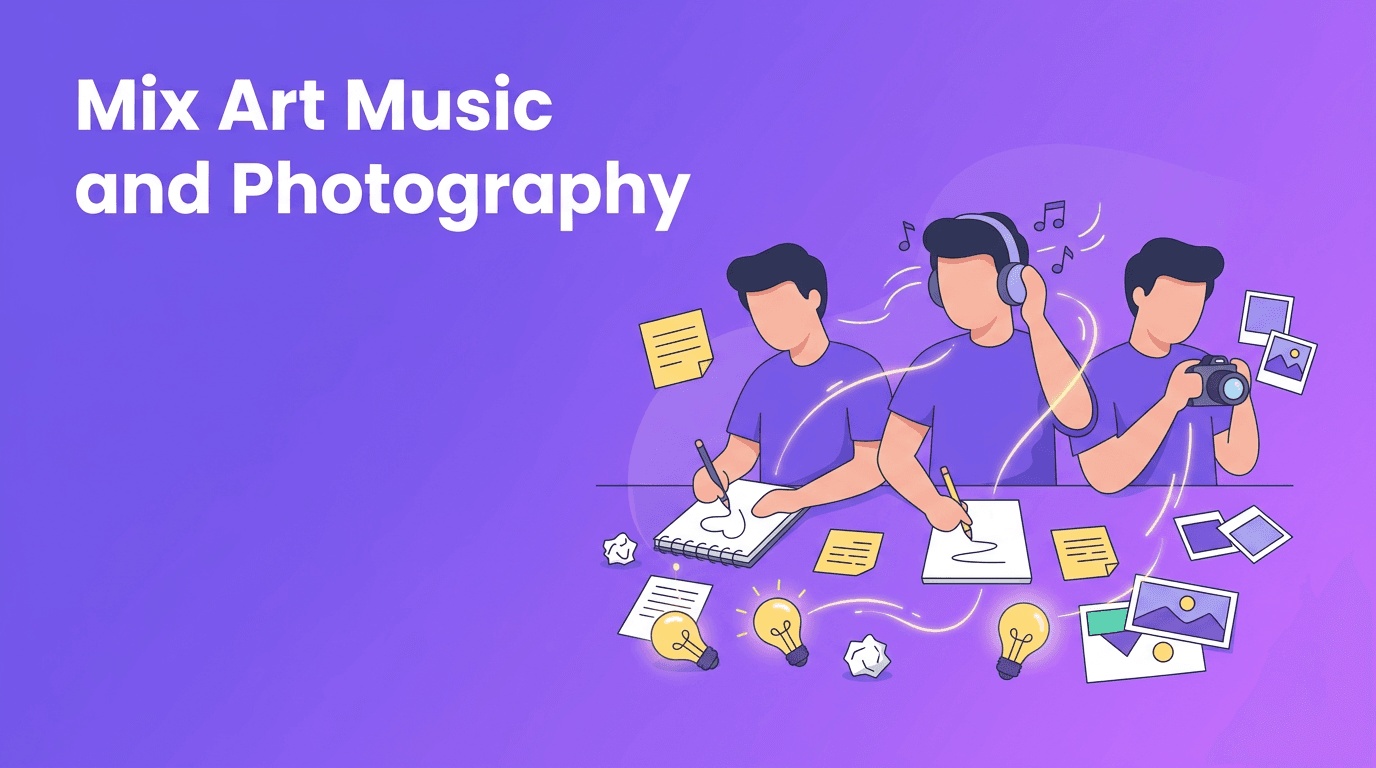
Think of it like going to the gym, but for your imagination. Instead of repeating one skill in one format, you rotate across creative hobbies that train different mental muscles. Art sharpens observation, music builds pattern recognition and emotional nuance, and photography teaches framing, timing, and storytelling. Together, they support adult learning in a way that feels energizing instead of heavy.
- Art helps you notice shape, contrast, texture, and detail.
- Music strengthens rhythm, sequencing, listening, and mood awareness.
- Photography improves composition, perspective, and decision-making in the moment.
- Rotating activities keeps boredom low and motivation higher.
- Cross-pollination creates surprising ideas you would not find by staying in one lane.
Why adults learn better with multiple creative inputs
Many adults quit learning goals not because they lack discipline, but because the process gets stale. Your brain likes novelty, emotion, and meaning. That is why creative hobbies can support adult learning so well. When you sketch a plant, build a playlist for a project, or take photos during a walk, you are not just making things. You are practicing attention, interpretation, and memory.
"Creativity is intelligence having fun."
The hidden benefit: less pressure, more progress
A single learning goal can feel loaded. If you say, "I must become good at drawing," your inner critic may throw a dramatic little tantrum. But if you say, "I am experimenting across art, music, and photography to learn how I learn," the pressure drops. That lighter mindset makes it easier to begin, continue, and improve.
A 7-day creative cross-training plan for adult learning
You do not need expensive gear or giant blocks of free time. Try this simple one-week rhythm to build a creative outlet and strengthen adult learning at the same time.
- Day 1 - Art observation: Spend 15 minutes sketching one everyday object. Focus on seeing, not perfection.
- Day 2 - Music mapping: Listen to one instrumental track and write down the emotions, images, or memories it creates.
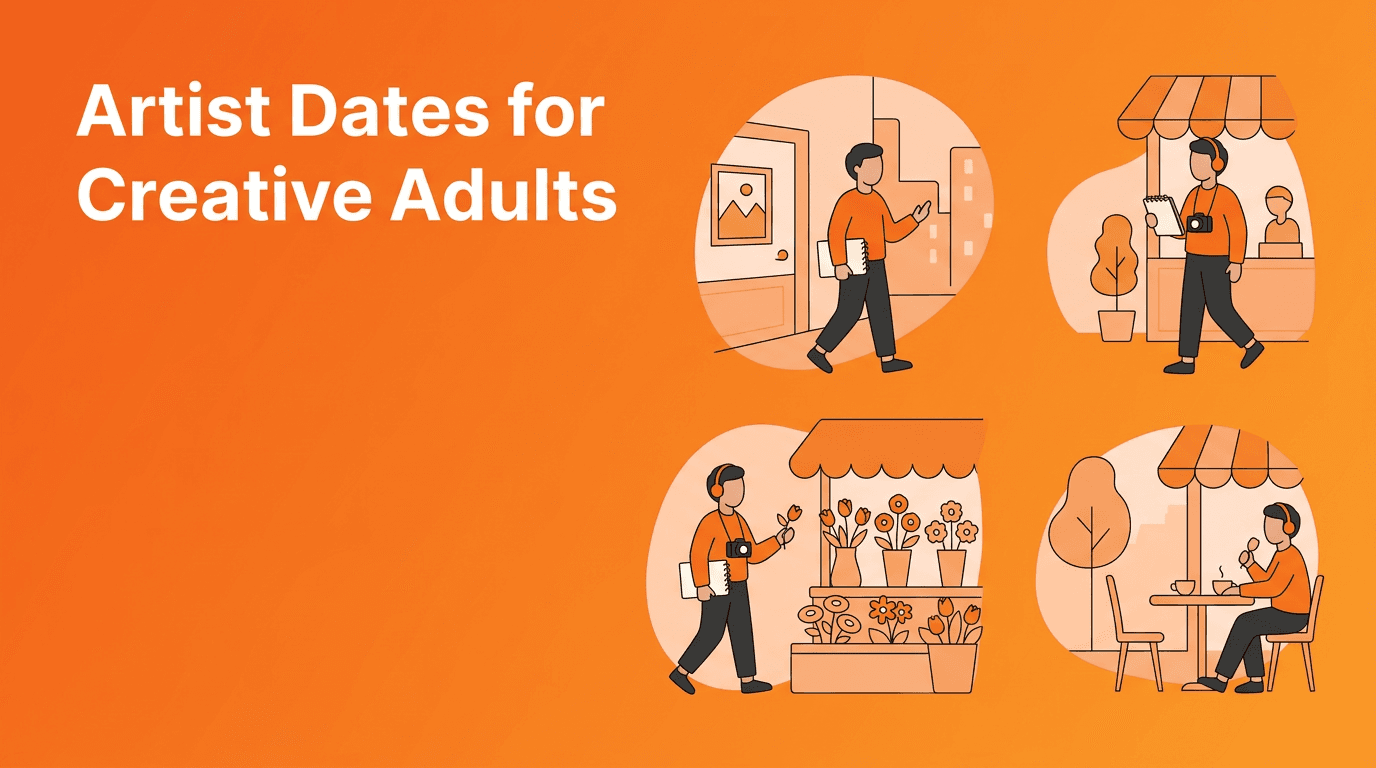
- Day 3 - Photography walk: Take 10 photos around your neighborhood based on one theme, like shadows, circles, or repetition.
- Day 4 - Mix and reflect: Look at your sketch, notes, and photos. What patterns connect them?
- Day 5 - Mini project: Create something tiny, like a photo caption series, a mood collage, or a sketch inspired by a song.
- Day 6 - Share or save: Post your work privately, send it to a friend, or store it in a digital folder called "proof I make things."
- Day 7 - Review: Ask what felt fun, what felt difficult, and what you want to repeat next week.
How to make the plan stick
Use tiny rules. Keep each session under 20 minutes. Leave your tools visible. Link the habit to an existing routine, like after coffee or before dinner. If you want extra support, Haply can help with adult learning through chat-based coaching, habit streaks, and the Idea Board mini-app, which is perfect for collecting sparks from your art, music, and photography sessions.
Want an easier way to stay creatively consistent?
Use Haply's AI coaching, streaks, reminders, and Idea Board to turn small creative sessions into a lasting practice.
Try Haply FreeHow to choose the right creative hobbies for you
Not every activity will click immediately, and that is normal. Your best creative outlet is the one you can start without a dramatic negotiation with yourself. Choose based on energy, not identity. You do not need to be "an artist" or "a musician" to explore creative hobbies.
- Choose art if you want a slower, tactile, visual practice.
- Choose music if emotion and rhythm help you focus or reset.
- Choose photography if you enjoy movement, discovery, and capturing stories.
- Combine all three if you get bored easily and love variety.
- Start with what feels light, then build skill through repetition.
Turn creative expression into real-world growth
The magic of creative cross-training is that it does not stay trapped in your hobby time. It spills into problem-solving, communication, and confidence. You become better at spotting patterns, tolerating imperfect first drafts, and expressing ideas with more clarity. That is the sneaky brilliance of adult learning through creative expression: you are not just making things, you are becoming more adaptable.
Signs the practice is working
- You notice more details in everyday life.
- You generate ideas faster at work or in personal projects.
- You feel less intimidated by trying new skills.
- You finish small projects instead of endlessly planning them.
- You start seeing play as productive, not wasteful.
Final thought: follow curiosity, not performance
If your creative life has felt rusty, flat, or weirdly overcomplicated, try cross-training instead of forcing mastery. Let art, music, and photography become companions in your growth. A simple, joyful creative outlet can make adult learning feel less like homework and more like coming back to yourself.
Frequently Asked Questions
How do creative hobbies help adult learning?
Creative hobbies improve attention, memory, observation, and flexibility. They make learning feel more engaging, which helps adults stay consistent.
What are the best creative hobbies for adults who feel stuck?
Art, music, and photography are great starting points because they offer different ways to explore ideas without needing expert-level skills.
Can photography and music improve creativity?
Yes. Photography trains observation and storytelling, while music builds pattern recognition and emotional awareness. Together, they expand creative thinking.
How can I find a creative outlet as an adult?
Start with short, low-pressure experiments. Choose an activity that feels easy to begin and enjoyable enough to repeat.
Is Haply good for building creative habits?
Haply can support creative habits with AI coaching, reminders, streak tracking, and tools like the Idea Board for capturing and organizing ideas.