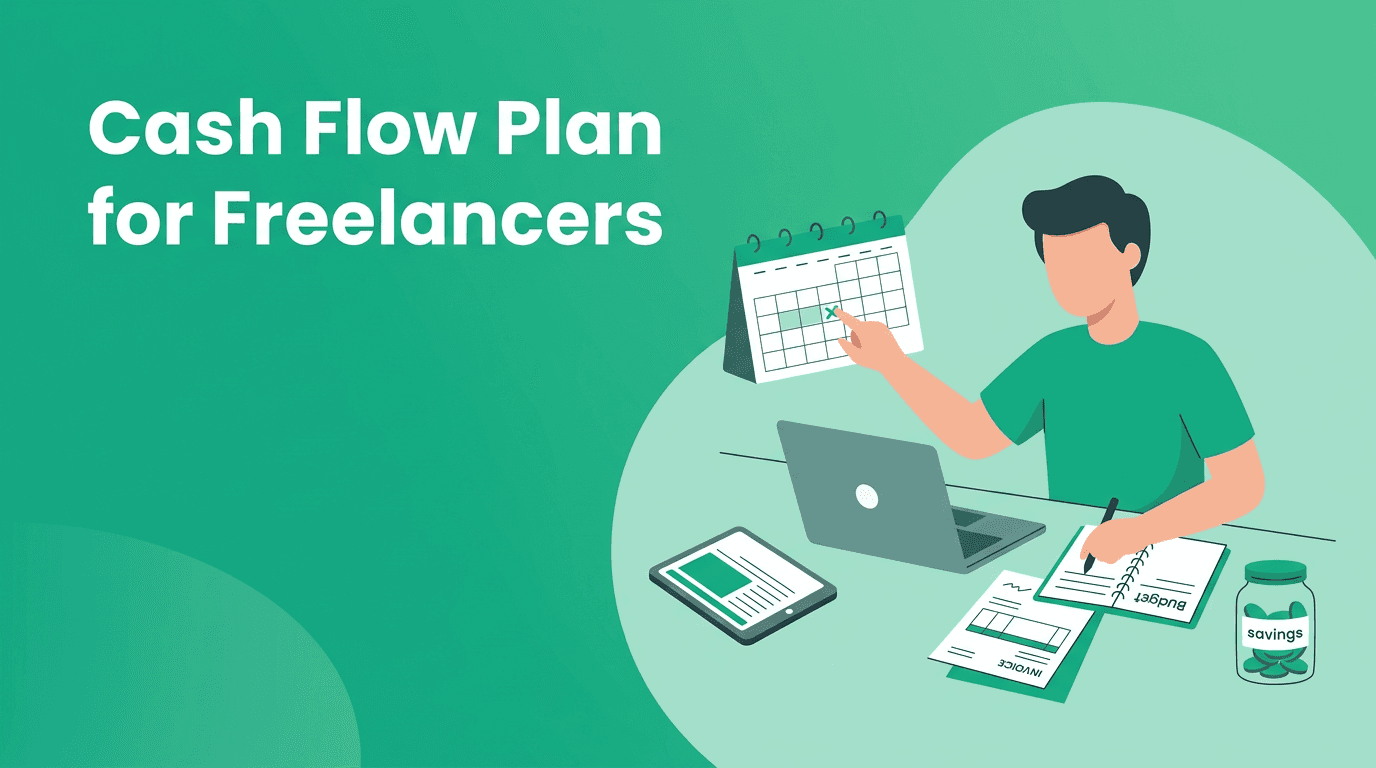
Cash Flow Plan for Freelancers: A Simple System to Budgeting, Saving Money, and Testing a Side Hustle
A cash flow plan helps young professionals improve budgeting, saving money, and financial literacy while testing a side hustle without burning out.
By Haply Team
Haply Editorial Team
A cash flow plan is one of the most practical tools for young professionals with variable income, freelance work, or early entrepreneurship goals. If your paycheck changes month to month, classic budgeting advice can feel unrealistic. A better system helps you manage bills, start saving money, and test a side hustle without constant stress.
Why a cash flow plan works better than a fixed monthly budget
Traditional budgets assume your income is predictable. But many people now earn from contract work, commissions, part-time gigs, or creative projects. A cash flow plan focuses on timing and priorities instead of pretending every month looks the same. That makes it especially useful for improving financial literacy in real life, not just on paper.
- Track when money actually arrives, not just how much you expect
- Separate essential bills from flexible spending
- Build decisions around your lowest likely income month
- Use extra income for goals instead of letting it disappear
- Create room to experiment with a side hustle safely
The 4-bucket system for variable income budgeting
If you want a simple framework, divide every payment you receive into four buckets. This keeps budgeting clear and reduces decision fatigue.
1. Essentials
This bucket covers rent, groceries, transport, insurance, debt minimums, and utilities. Start by calculating the minimum amount you need to cover a basic month. That number becomes your non-negotiable baseline.
2. Future You
This is where saving money gets real. Use it for an emergency fund, annual expenses, and medium-term goals like a course, move, or laptop upgrade. Even small transfers matter when they happen consistently.
3. Growth
Put career and business-building expenses here. This might include software, certifications, portfolio tools, networking events, or a small test budget for a side hustle. Treat growth spending as intentional, not random.
4. Flexible Life
This bucket is for fun, dining out, streaming, hobbies, and spontaneous spending. Giving this category a limit is not restrictive. It actually protects your essentials and savings from lifestyle creep.
How to build your cash flow plan in 30 minutes
- Review the last 3 to 6 months of income and note your lowest month
- List all fixed bills and due dates in one place
- Estimate essential weekly spending for food, transport, and basics
- Set a default percentage or fixed amount for saving money every time income arrives
- Choose one small monthly amount for side hustle or skill-building experiments
- Keep a short buffer in checking so timing gaps do not trigger panic
You do not need a perfect income to build stability. You need a system that works on imperfect months.
This is where financial literacy becomes practical. It is not about memorizing terms. It is about learning how cash moves through your life and making better choices before money gets assigned accidentally.
A smart way to test a side hustle without hurting your main finances
Many young professionals want extra income, but a new project can become expensive fast. A cash flow plan helps you set boundaries before you start. That is important whether you are freelancing, selling digital products, tutoring, or exploring small-scale entrepreneurship.
- Set a maximum monthly test budget before you buy tools or ads
- Use revenue milestones before upgrading software or branding
- Track time spent as closely as money spent
- Keep personal bills separate from business experiments
- Reinvest only a portion of side income until your savings base is solid
Build better money habits with Haply
Haply is an AI life coaching app for iOS and Android that can help you stay consistent with budgeting, career goals, and habit tracking. Use personalized coaching, the Budget Tracker, and daily reminders to keep your cash flow plan on track.
Try Haply FreeCommon mistakes that weaken a cash flow plan
- Basing your month on your best income instead of your most realistic income
- Mixing business tools, personal spending, and savings in one account
- Treating irregular income as extra money instead of planned money
- Ignoring annual costs like renewals, gifts, or travel
- Starting a side hustle with no stop-loss budget or review point
If you want more consistency, schedule a weekly 10-minute money review. Check what came in, what is due next, and what needs to move into savings. This kind of routine is small, but it improves financial literacy faster than occasional big resets.
Turn your cash flow plan into a weekly habit
A system only works when you revisit it. Try a recurring Friday routine: log income, update your four buckets, review next week's bills, and make one intentional transfer. If you use Haply, its Finance coach, habit tracker, and Today Dashboard can make that review easier to keep.
Frequently Asked Questions
How do I make a cash flow plan with irregular income?
Start with your lowest recent income month, list essential expenses, and assign each payment into categories as it arrives. This makes your plan flexible and realistic.
Is a cash flow plan better than budgeting?
It is not better in every case, but it is often more useful when income changes month to month. It helps you manage timing, priorities, and savings with less guesswork.
How much should I save if I have freelance income?
There is no single number, but saving something from every payment is usually more sustainable than waiting for a perfect month. Begin with a fixed percentage or small automatic transfer.
Can a side hustle fit into a tight budget?
Yes, if you set a clear test budget and avoid overspending early. Start lean, track results, and protect essentials first.