Interview Prep Tracker: A Smarter System for Job Interview Confidence
A job interview goes better when your prep is organized. Learn how to build a simple tracker for your resume, LinkedIn, salary negotiation notes, and career change stories.
By Haply Team
Haply Editorial Team
A job interview rarely feels hard because of one question. It feels hard because everything is scattered. Your resume lives in one folder, your LinkedIn profile says something slightly different, your examples are half remembered, and your salary negotiation number is floating somewhere in your notes app. If you are planning a career change or trying to land a stronger role, a simple interview prep tracker can bring calm, clarity, and momentum.
Why a job interview tracker works
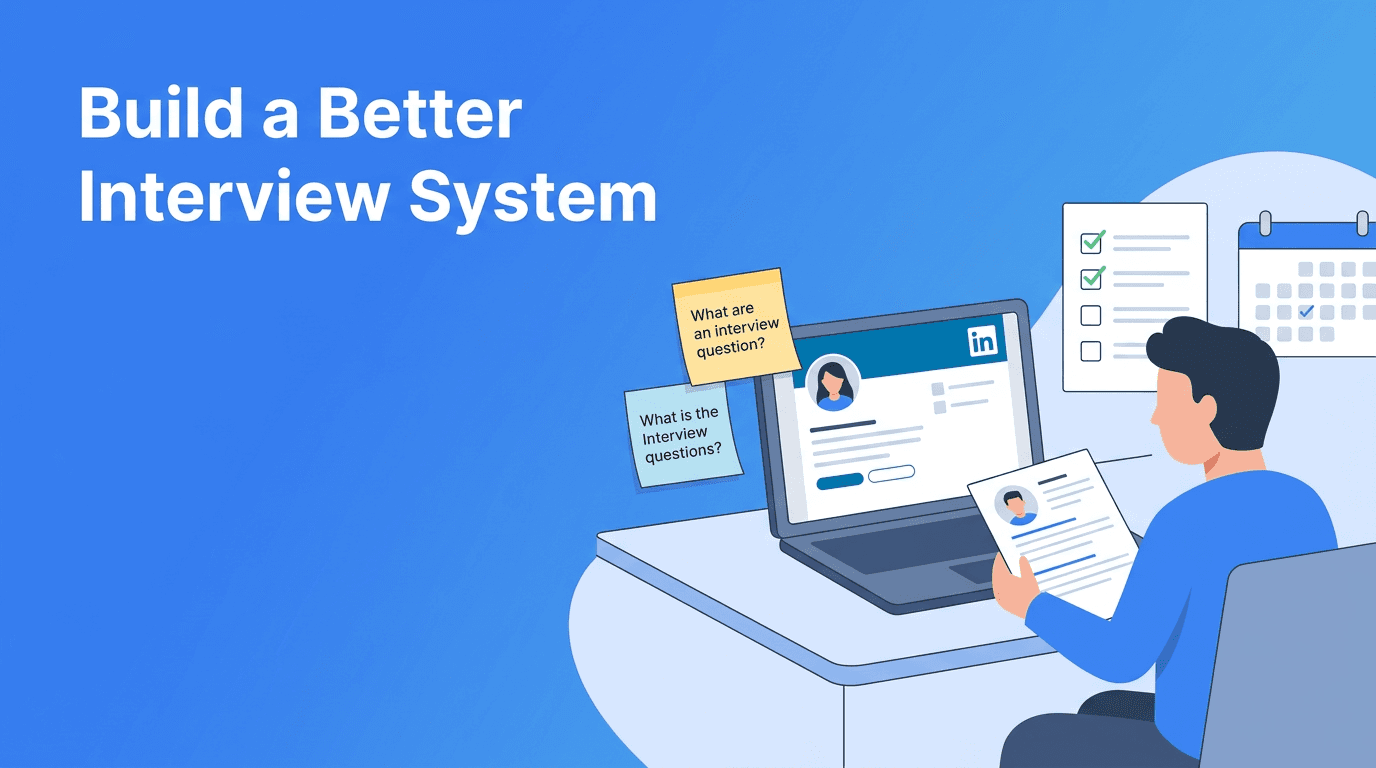
Most candidates prepare in bursts. They edit a bullet point one night, skim common questions the next day, then panic an hour before the call. A tracker creates a repeatable system. Instead of asking, "What should I do now?" you can focus on what actually improves performance: clear stories, targeted research, and confident follow-through.
- Keep your resume, portfolio links, and key achievements in one place
- Match your LinkedIn summary to the role you want now
- Save role-specific talking points for each job interview
- Track company research, values, and interviewer names
- Write your target range before salary negotiation begins
- Prepare proof points that support a career change narrative
What to include in your interview prep tracker
1. Your master career snapshot
Start with a one-page overview of your experience. Include recent roles, top wins, measurable results, strengths, and skills. This becomes the source document for every resume update and every tailored application. Keep it factual and specific. Numbers build trust.
2. A resume tailoring section
For each role, copy the job description and highlight recurring keywords. Then adjust your resume bullets so the most relevant achievements appear first. You are not rewriting your history. You are making relevance obvious.
- Mirror important language from the posting when it is truthful
- Move the strongest, most relevant bullet points higher
- Cut older details that distract from your current target
- Add metrics like revenue, time saved, conversion lift, or team size
3. A LinkedIn alignment check
Recruiters often compare your application with your LinkedIn profile within minutes. Make sure your headline, About section, and recent experience support the same story as your resume. If you are making a career change, your profile should explain the bridge, not leave people guessing.
"Confidence grows when preparation becomes visible."
How to prep stories for a job interview
A strong job interview answer usually comes from a short bank of stories, not from memorizing scripts. Build 5 to 7 examples that show problem-solving, teamwork, leadership, conflict management, learning speed, and resilience. Use the STAR structure, but keep it conversational.
- Situation: Give quick context
- Task: Explain the goal or challenge
- Action: Focus on what you did
- Result: End with a measurable or meaningful outcome
- Reflection: Add what you learned if relevant
If you are pursuing a career change, include at least two stories that prove transferable strengths. Hiring teams need help connecting the dots. Show how past experience solves current problems.
Add a salary negotiation page before you need it
Too many candidates wait until the offer stage to think about salary negotiation. That creates pressure and weak decisions. Add a page in your tracker with your target range, minimum acceptable number, location factors, role scope, and the value you bring. This helps you respond calmly instead of reacting emotionally.
- Research market ranges for similar titles and levels
- Note your must-haves beyond salary, such as flexibility or learning budget
- List 3 to 5 reasons you can justify the higher end of your range
- Practice one sentence you can use when compensation comes up early
Want daily support while you prepare?
Haply is an AI life coaching app on iOS and Android with personalized Career coaching, habit tracking, and planning tools that can help you stay consistent before every interview.
Try Haply FreeA weekly routine that keeps interview prep manageable
The best prep is not extreme. It is consistent. Try a weekly routine that keeps your materials fresh without taking over your life.
- Monday: Update your tracker with new applications and deadlines
- Tuesday: Tailor one resume and review your LinkedIn headline
- Wednesday: Practice two story answers for a job interview
- Thursday: Research one company and save notes
- Friday: Review your salary negotiation range and wins from the week
- Weekend: Reflect on what is working, especially if you are in a career change process
If consistency is your challenge, tools like Haply can help. Its chat-based coaching, daily reminders, Today Dashboard, and mini-apps like Task Planner and Focus Timer can make prep feel lighter and more structured.
Common mistakes that make interviews harder
- Using the same resume for every role
- Leaving your LinkedIn profile outdated
- Telling long stories without clear results
- Waiting too long to prepare for salary negotiation
- Explaining a career change with apology instead of confidence
- Doing interview prep only when anxiety spikes
A good system does not remove nerves completely. It reduces avoidable stress. When your documents, stories, and numbers are easy to find, you give yourself a better chance to show up as the strongest version of yourself.
Frequently Asked Questions
How do I prepare for a job interview effectively?
Create a simple system that covers company research, tailored stories, your resume, likely questions, and salary expectations. Preparing in small sessions over several days works better than cramming.
Should my LinkedIn match my resume exactly?
Your LinkedIn and resume should tell the same core story, but they do not need to be identical line by line. Keep titles, dates, and major achievements aligned.
How do I explain a career change in an interview?
Focus on transferable skills, relevant wins, and why the new direction makes sense now. Keep the explanation clear, positive, and connected to the employer's needs.
When should I prepare for salary negotiation?
Prepare before interviews begin so you know your target range and priorities. Early preparation helps you answer compensation questions with more confidence and clarity.