Founder Storytelling: A Personal Branding System for Startup Trust and Online Business Growth
Founder storytelling helps entrepreneurs turn everyday startup lessons into personal branding assets that build trust, strengthen networking, and support online business growth.

By Haply Team
Haply Editorial Team
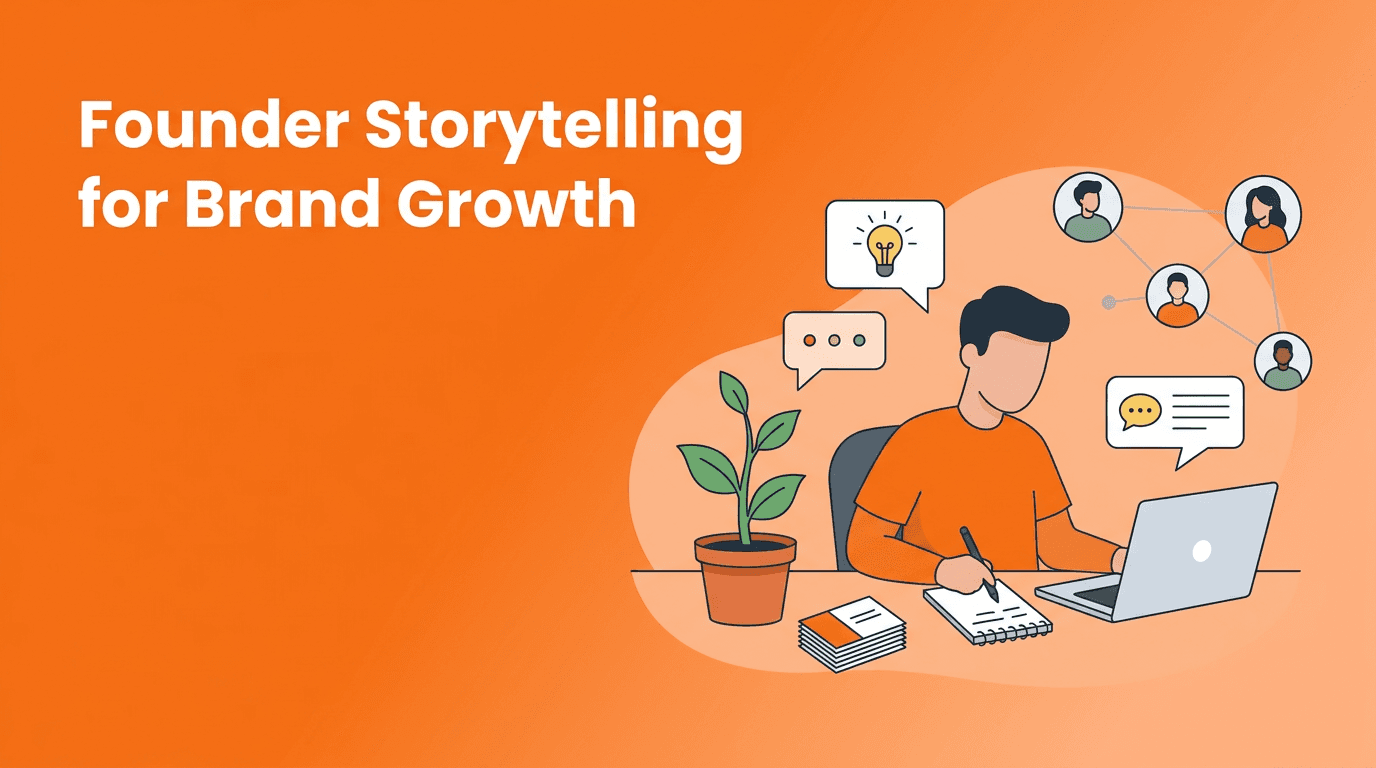
Founder storytelling is one of the most overlooked ways to grow a reputation before your startup has big wins to show. If you are building in public, launching an online business, or trying to make networking feel more natural, the stories you share can become your strongest trust signal.
Why founder storytelling matters more than polished branding
Many aspiring founders think personal branding starts with a perfect logo, sharp headshots, and a highly curated feed. In reality, people trust patterns before polish. They want to see how you think, how you solve problems, and what you learn under pressure. That is where founder storytelling becomes powerful.
- It turns small startup moments into memorable proof of character
- It makes personal branding feel human instead of self-promotional
- It gives people easy reasons to remember and refer you
- It creates natural conversation starters for networking
- It helps an online business earn trust before buyers are ready to commit
"People do not connect with perfect founders. They connect with founders who can clearly explain what they are building, why it matters, and what they are learning along the way."
A simple founder storytelling framework
1. Capture moments, not just milestones
You do not need a funding announcement or a viral launch to have something worth sharing. Start collecting moments like a difficult customer insight, a failed test, a shift in pricing, or a lesson from a quiet week. These small moments reveal your decision-making process, which is exactly what builds trust.
2. Use the lesson-post-proof format
A useful story is usually short and clear. Try this format: what happened, what you learned, and what changed because of it. This keeps your content grounded and useful instead of vague.
- What happened: A real startup challenge, observation, or experiment
- What you learned: The principle or mindset shift behind the moment
- What changed: The action you took, result you saw, or next step you chose
3. Repeat themes that match your brand
Strong personal branding grows through consistency. If you often talk about customer empathy, disciplined execution, creative marketing, or sustainable growth, people will start to associate those themes with your name. That is how founder storytelling shapes a clear identity over time.
How to use founder storytelling for networking and online business growth
The best stories do more than attract likes. They create openings for relationships, collaborations, and sales conversations. A good story gives other people something specific to respond to, which makes networking easier and more authentic.
- Share one lesson from your week on LinkedIn or in your founder newsletter
- Turn common customer questions into short story-based posts
- Use personal stories in podcast pitches, guest posts, and event intros
- When meeting new people, tell a short story about what led you to your current startup idea
- Save your best stories for sales pages, about pages, and welcome emails in your online business
Build momentum with Haply
Need help staying consistent with your goals? Haply is an AI life coaching app on iOS and Android that can help entrepreneurs strengthen habits, plan priorities, and stay accountable with personalized coaching and progress tracking.
Try Haply FreeA weekly storytelling habit for busy entrepreneurs
If content creation feels overwhelming, make it smaller. Set aside 15 minutes at the end of each week and answer three prompts: What surprised me? What challenged me? What changed my mind? Those answers can fuel weeks of content while keeping your voice honest and specific.
This is where tools and structure help. Some founders use a notes app, while others benefit from guided support. Haply can support this process with chat-based coaching, a Today Dashboard for focus, and mini-apps like the Task Planner and Idea Board, which are useful when you want to turn scattered thoughts into a repeatable content rhythm.
Mistakes that weaken founder storytelling
- Sharing only wins and hiding the learning process
- Posting vague motivation without real examples
- Trying to sound impressive instead of useful
- Changing topics constantly and confusing your audience
- Treating personal branding as performance instead of service
Your next step: document before you decorate
Before you redesign your website or rewrite every bio, start documenting what you are already learning. Founder storytelling works because it helps people see your judgment, values, and momentum. For any entrepreneur building a startup or an online business, that trust can open doors faster than polished marketing alone.
Frequently Asked Questions
What is founder storytelling?
Founder storytelling is the practice of sharing real experiences, lessons, and decisions from building a business to create trust and strengthen your personal brand.
How does founder storytelling help personal branding?
It shows how you think, what you value, and how you solve problems. That makes your personal brand more credible and memorable.
Can founder storytelling help an online business grow?
Yes. Stories build trust with potential customers, make your message easier to remember, and improve connection across content, sales pages, and emails.
How often should founders post stories online?
Consistency matters more than volume. One useful story each week is enough to build momentum if you stay clear and relevant.