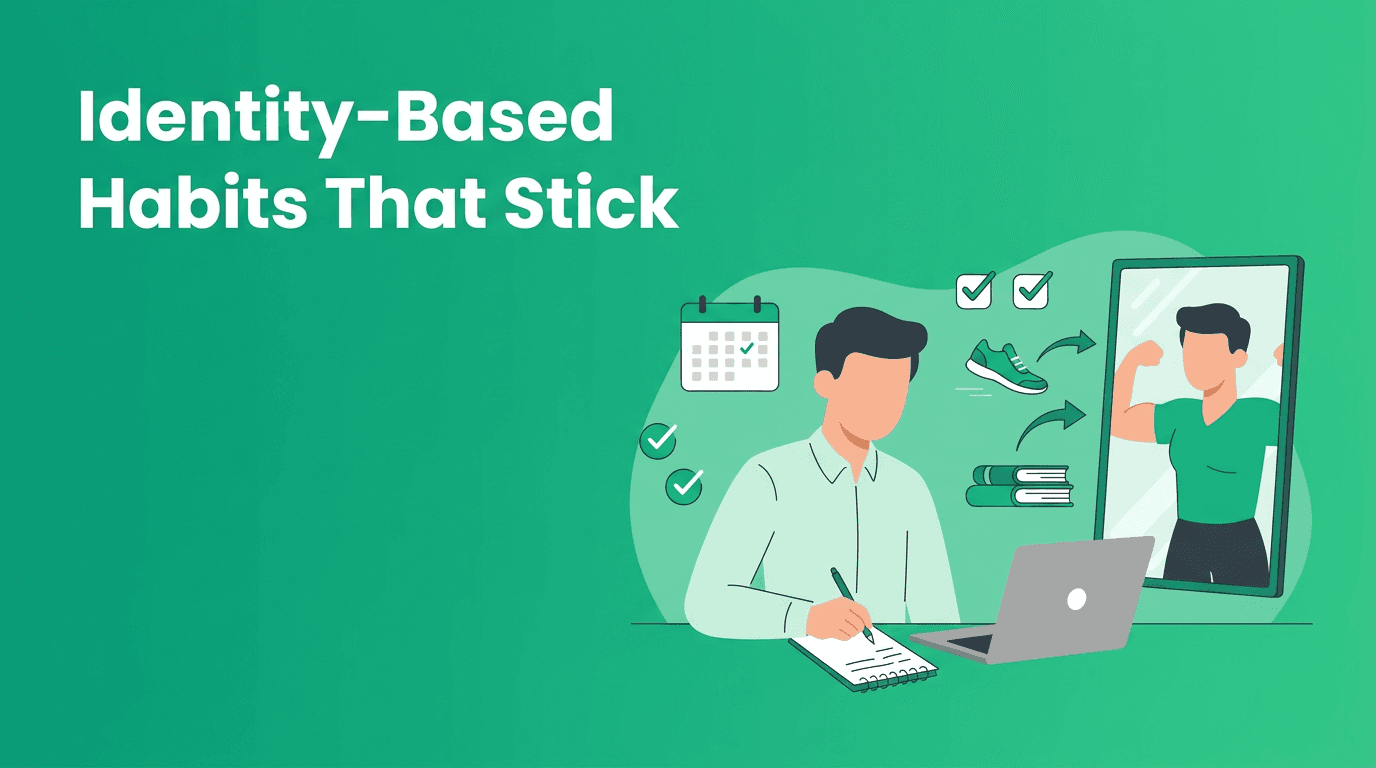
Identity-Based Habits for Self-Improvement: A Practical Way to Make Personal Growth Last
Identity-based habits can turn self-improvement into lasting personal growth by helping you act like the person you want to become, one small choice at a time.

By Haply Team
Haply Editorial Team
Most self-improvement advice tells you what to do, but identity-based habits focus on who you are becoming. That shift can make personal growth feel less like a constant battle and more like a natural pattern. Instead of chasing motivation, you build proof, one action at a time, that you are the kind of person who follows through.
Why identity-based habits work for self-improvement
Many people try to change behavior by setting bigger goals, stricter rules, or more ambitious plans. The problem is that goals can create pressure without changing your self-image. Identity-based habits work differently. They connect daily actions to your sense of self, which makes consistency easier when life gets busy.
- A goal says, "I want to read 20 books." An identity says, "I am a reader."
- A goal says, "I want to get fit." An identity says, "I am someone who takes care of my body."
- A goal says, "I want to be calmer." An identity says, "I am a person who responds thoughtfully."
"Every action you take is a vote for the type of person you want to become."
How identity shapes habits, resilience, and emotional intelligence
Your habits are rarely random. They often reflect what you believe is true about you. If you see yourself as inconsistent, you may quit quickly after a setback. If you see yourself as someone who learns, adapts, and starts again, your resilience improves. This is where emotional intelligence matters too. You need enough self-awareness to notice the stories you repeat about yourself.
The hidden script behind your daily behavior
Ask yourself, "What identity am I reinforcing with my current routine?" Skipping practice may strengthen the story that you are unreliable. Keeping a tiny promise, like writing one sentence or taking a five-minute walk, can strengthen the story that you are dependable. In personal growth, the story matters because repeated behavior becomes evidence.
- Notice self-talk that starts with "I'm just bad at..." or "I've always been..."
- Replace fixed labels with growth-based language, such as "I am learning to be more consistent."
- Use setbacks as data, not identity proof
- Track actions that confirm the person you want to become
A 4-step method to build identity-based habits
1. Choose one identity, not ten
Pick a single identity that would meaningfully support your self-improvement right now. Maybe it is "I am a focused learner," "I am a calm communicator," or "I am someone who keeps promises to myself." One clear identity is easier to practice than a long list of ideals.
2. Shrink the behavior until it feels easy
The best habits are small enough to repeat even on difficult days. If your identity is "I am a writer," your habit could be opening your document and writing two lines. If your identity is "I care for my health," your habit could be stretching for three minutes after lunch. Small actions reduce resistance and create reliable evidence.
3. Link the habit to a visible cue
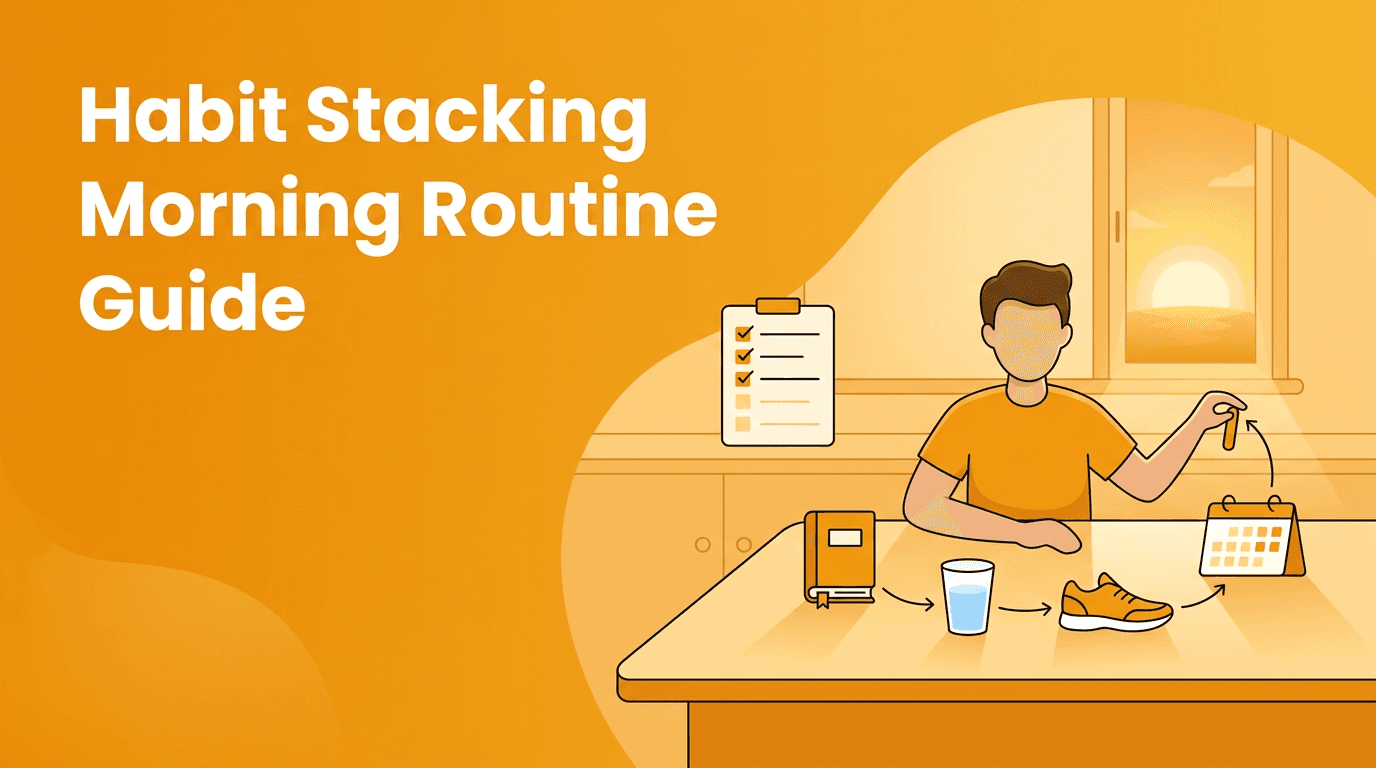
Make the action obvious. Put the book on your pillow. Leave the journal on your desk. Set a daily reminder right after breakfast. Cues reduce decision fatigue, which makes identity-based habits easier to perform consistently.
4. Review the evidence weekly
Once a week, ask: "What did I do that supports my new identity?" This practice strengthens confidence because it focuses on proof, not perfection. It also builds resilience, since one missed day no longer defines the whole story.
Want support turning identity into action?
Haply is an AI life coaching app for iOS and Android that helps you build momentum with personalized coaching, habit tracking, reminders, and tools like the Focus Timer and Task Planner. Its goal-based onboarding and daily dashboard make self-growth feel structured and encouraging.
Try Haply FreeCommon mistakes that weaken personal growth
- Choosing an identity that sounds impressive, rather than one that fits your real priorities
- Making the habit too large, so consistency breaks under stress
- Expecting instant transformation, instead of looking for repeated evidence over time
- Using shame after a miss, which damages motivation and emotional recovery
- Ignoring emotional intelligence, which helps you respond to frustration without quitting
Real personal growth is often quieter than people expect. It is not a dramatic reinvention in one weekend. It is a gradual shift in how you see yourself, supported by repeated action. When you pair that process with self-awareness, your self-improvement efforts become more stable and more humane.
How to use Haply to reinforce identity-based habits
If you want more structure, Haply can help translate identity into daily practice. You can use its chat-based AI coaches across Productivity, Wellness, Learning, Career, and other areas to clarify the kind of person you want to become. Then use the habit tracker, streaks, daily reminders, and mini-apps like Meditation/Breathe or the Focus Timer to make your next action easier.
Start with one identity this week
If you want self-improvement that lasts, stop asking only, "What should I do today?" Also ask, "Who am I becoming through this action?" That question turns ordinary choices into meaningful practice. Over time, identity-based habits can shape stronger habits, better emotional intelligence, and deeper resilience.
Frequently Asked Questions
What are identity-based habits?
Identity-based habits are behaviors tied to the kind of person you want to become. Instead of focusing only on outcomes, you focus on actions that reinforce a chosen identity.
How do identity-based habits help self-improvement?
They make change feel more natural because your actions support your self-image. This helps habits stick even when motivation is low.
Can identity-based habits improve resilience?
Yes. They help you treat setbacks as temporary events rather than proof that you cannot change, which supports resilience over time.
What is an example of an identity-based habit?
If you want to become a reader, an identity-based habit could be reading one page before bed every night. The small action reinforces the identity of being a reader.