Behavior Design for Personal Development: Build a Daily Routine That Survives Busy Days
Behavior design can make personal development easier by helping you build a daily routine that still works on stressful, busy days. Learn practical behavior change strategies you can use today.

By Haply Team
Haply Editorial Team
Most people do not fail at personal development because they lack motivation. They fail because their plan collapses the moment life gets messy. That is where behavior design becomes powerful. Instead of relying on willpower, you shape your environment, timing, and actions so growth still happens on busy days.
If you have ever promised yourself a better daily routine, then abandoned it after a stressful week, you are not lazy. You probably needed a better system. Behavior design is a practical approach to behavior change that helps your habits fit your real life, not your ideal fantasy schedule.
Why behavior design works better than motivation alone
Motivation feels exciting, but it is unreliable. Some mornings you wake up ready to journal, read, exercise, and plan your goals. Other mornings you are tired, behind, and distracted. A growth mindset does not mean pretending motivation is always there. It means building systems that support progress anyway.
- Motivation changes daily, but good systems reduce decision fatigue.
- Small actions beat perfect plans when your schedule gets crowded.
- Visible cues make good habits easier to start.
- Lowering friction helps you follow through without endless self-negotiation.
- Self-belief grows from evidence, and repeated small wins create that evidence.
You do not rise to the level of your goals. You fall to the level of your systems.
The real problem with most personal development routines
Many people build routines for their best-case day. They create a long morning ritual, a strict productivity schedule, and a perfect evening reset. Then real life shows up. Meetings run late. Classes pile up. Sleep suffers. Energy drops. Suddenly the whole routine disappears.
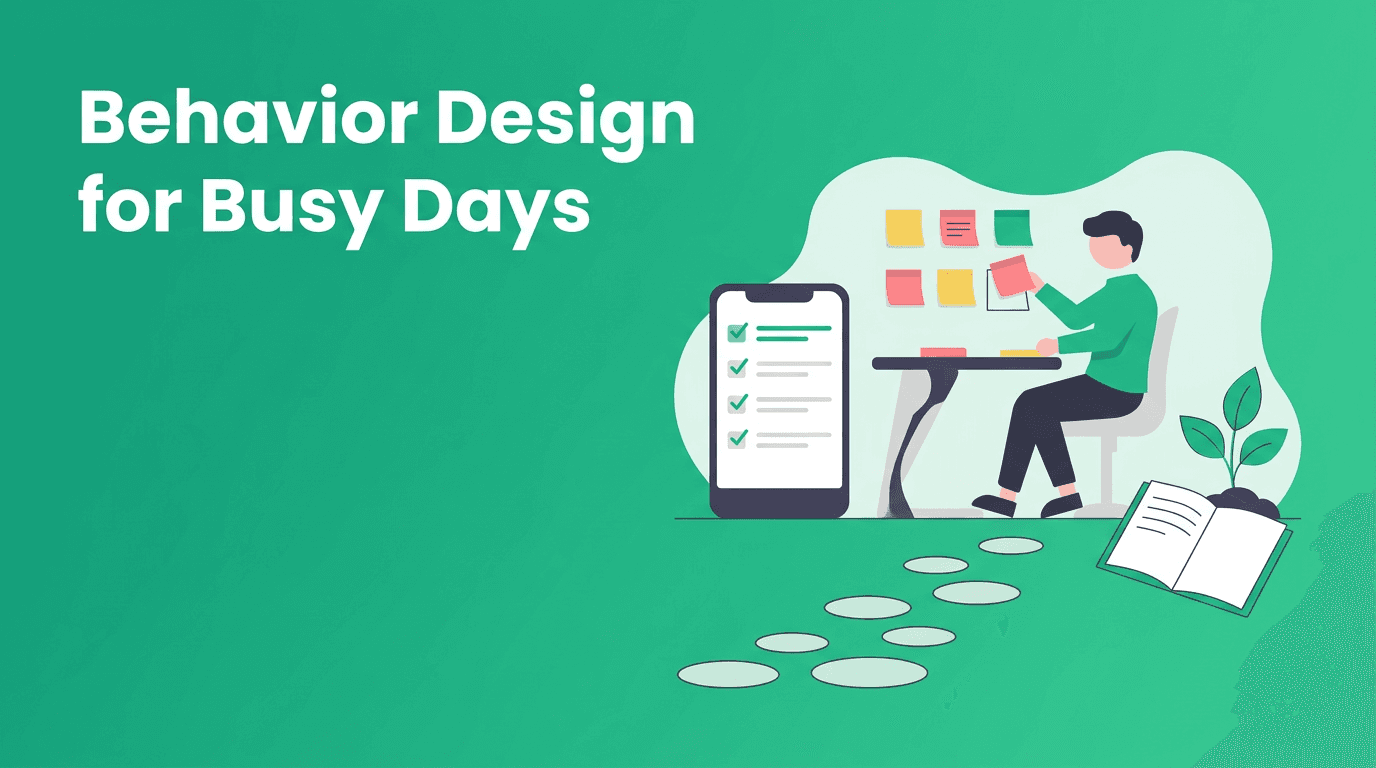
A smarter path for personal development is to create a routine with layers. Think of it like this: a full version for great days, a shorter version for normal days, and a minimum version for chaotic days. This protects consistency, which is the engine of long-term behavior change.
Try the 3-level daily routine method
- Level 1: Ideal day - 30 minutes of focused growth activities, such as reading, planning, exercise, or journaling.
- Level 2: Normal day - 10 to 15 minutes of your most important habits.
- Level 3: Busy day - 2 to 5 minutes of one tiny action that keeps the streak alive.
- The goal is not intensity every day. The goal is continuity.
How to use behavior design in your daily routine
1. Make the starting point ridiculously easy
If a habit feels heavy to begin, shrink it. Read one page. Write three lines. Do five push-ups. Review tomorrow's top task for one minute. Tiny actions may look unimpressive, but they build self-belief because you repeatedly prove, "I do what I say I will do."
2. Attach growth habits to actions you already do
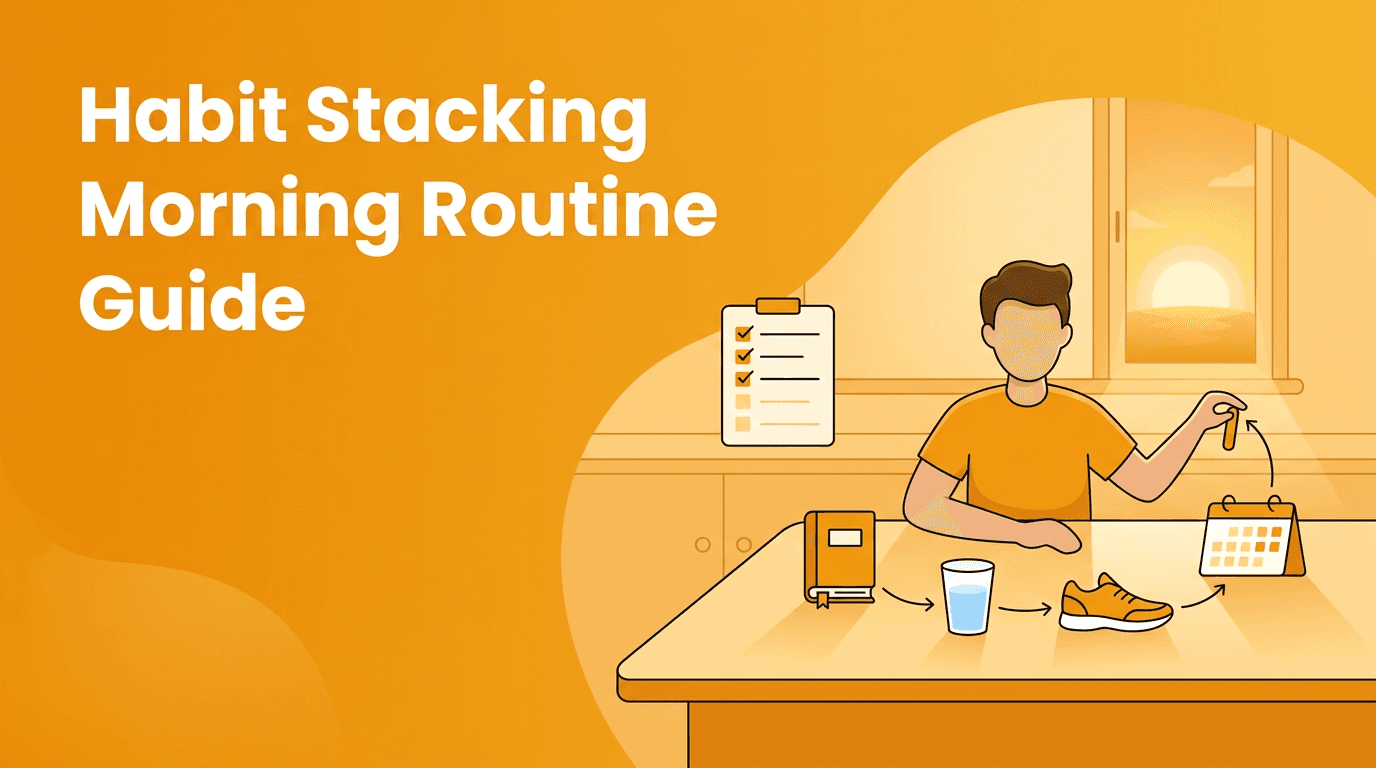
Link your new habit to a stable part of your day. After brushing your teeth, write one sentence in your journal. After lunch, review your top priority. After plugging in your phone at night, open your reading app. This makes behavior design practical because you stop depending on memory alone.
3. Reduce friction before you need discipline
Put the book on your desk. Keep your workout clothes visible. Prepare your task list the night before. Turn off distracting notifications during your focus block. The easier a habit is to begin, the less discipline it demands in the moment.
4. Track proof, not perfection
A simple habit tracker can strengthen a growth mindset because it shows progress over time. You are not looking for flawless performance. You are collecting proof that you can return, adjust, and continue. That is what real personal development looks like.
Want support building habits that actually stick?
Haply is an AI life coaching app for iOS and Android that helps you create personalized routines, track streaks, and stay consistent with chat-based coaching, reminders, and goal-focused tools.
Try Haply FreeA simple weekly reset for lasting behavior change
You do not need to redesign your life every Monday. You just need a quick reset that keeps your routine realistic. Once a week, ask yourself three questions: What worked? What felt too hard? What can I simplify? This is where behavior design becomes flexible instead of rigid.
- Keep one habit that felt natural.
- Shrink one habit that felt too demanding.
- Schedule one small action for your most important goal.
- Remove one source of friction from your environment.
- Celebrate one win to reinforce self-belief.
How Haply can support your personal development journey
If you want more structure, Haply can help turn ideas into action. The app offers specialized AI coaches for areas like Productivity, Wellness, Career, Learning, and Creativity. You can use chat-based coaching to refine your routine, the habit tracker to maintain momentum, and tools like the Focus Timer or Task Planner to reduce daily friction.
The Today Dashboard, daily reminders, and goal-based onboarding can make your next step feel clear instead of overwhelming. For young professionals and students, that kind of support can be the difference between wanting change and practicing it consistently.
Final thought: design for the life you actually live
The best routines are not impressive on paper. They are repeatable in real life. If you want stronger self-belief, a better daily routine, and meaningful personal development, stop asking, "How can I be more motivated?" Start asking, "How can I make the next action easier?" That question leads to sustainable behavior change.
Frequently Asked Questions
What is behavior design in simple terms?
Behavior design is the practice of shaping your environment, cues, and routines so positive actions become easier to start and repeat.
How do I build a daily routine that actually sticks?
Start small, attach habits to existing actions, and create a minimum version for busy days. Consistency matters more than intensity.
How does behavior design help personal development?
It helps you turn goals into repeatable actions, which builds momentum, self-belief, and long-term growth.
What are good behavior change strategies for students and young professionals?
Use simple cues, reduce friction, track small wins, and keep habits short enough to survive stressful schedules.