Self Reflection Questions That Actually Lead to Personal Growth
The right self reflection questions can unlock personal growth, stronger self-awareness, and better habits. Learn how to use them for real self-improvement.

By Haply Team
Haply Editorial Team
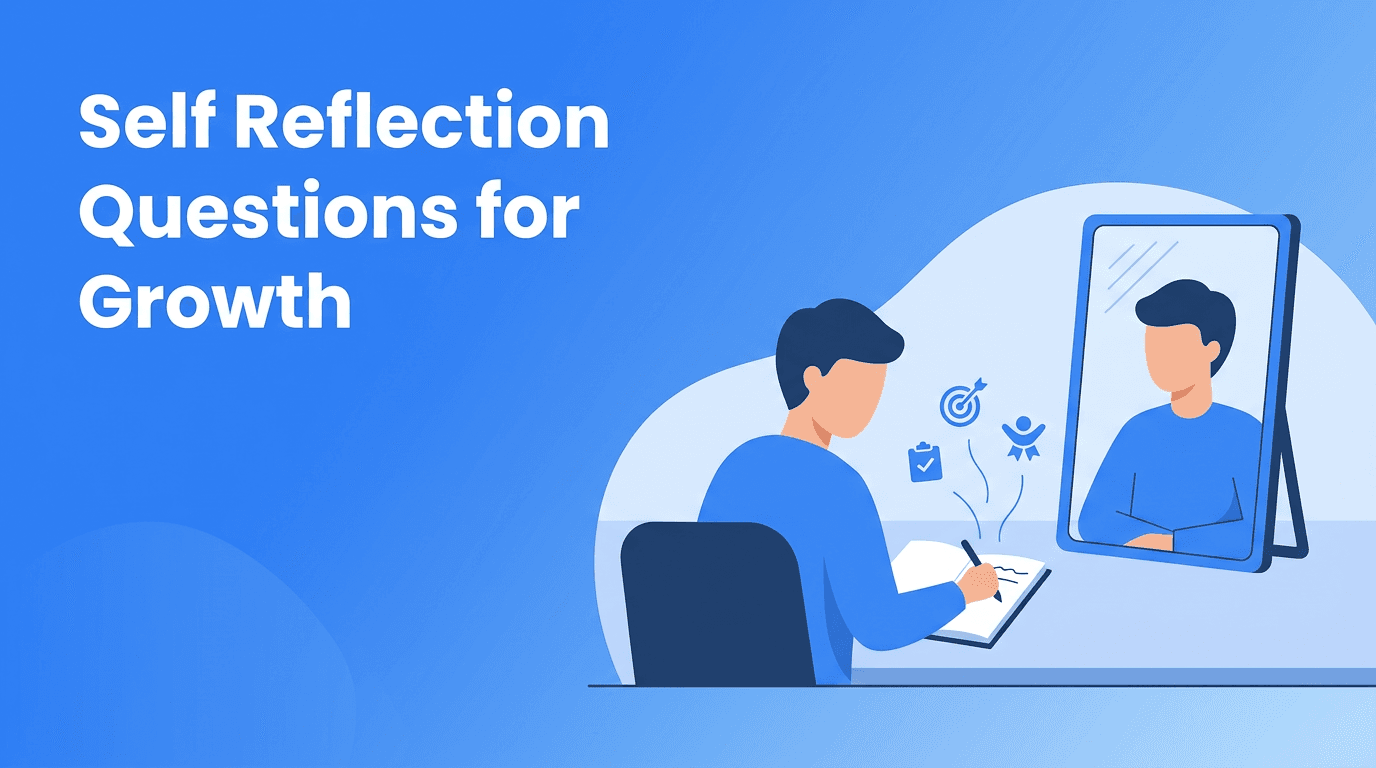
Most people want personal growth, but very few pause long enough to ask the kind of self reflection questions that create real change. If your self-improvement efforts feel scattered, the problem may not be motivation. It may be that you are trying to improve your life without understanding yourself deeply first.
Good reflection is not about overthinking. It is about noticing patterns, updating your mindset, and making better choices on purpose. The right questions can reveal what is helping your confidence, what is draining your energy, and which habits are quietly shaping your future.
Why self reflection questions matter for personal growth
When you ask better questions, you get better direction. That is why self reflection questions are one of the simplest tools for building self-awareness. They help you move from vague frustration to clear insight.
- Personal growth becomes easier when you can name what is working and what is not.
- Reflection helps you spot repeated triggers, hidden fears, and unhelpful mindset patterns.
- It strengthens confidence because you begin to trust your ability to learn from your own experience.
- It makes habits more intentional, because you stop running on autopilot.
"You cannot change what you do not notice first."
The 3 types of self reflection questions that create real self-improvement
1. Questions that build self-awareness
Start with questions that help you see yourself clearly, without judgment. This is the foundation of lasting self-improvement.
- What situations bring out the best version of me?
- What drains my energy faster than I admit?
- What do I keep avoiding, and what story am I attaching to it?
- When do I feel most confident, and what factors are present?
- What feedback do I often ignore because it feels uncomfortable?
2. Questions that challenge your mindset
Many people think they need more discipline, when they actually need a more honest mindset check. These prompts help you question assumptions that keep you stuck.
- What am I making this situation mean about me?
- Is this belief true, or just familiar?
- If I were advising a friend, what would I say here?
- What is one more useful interpretation of this setback?
- Where am I waiting to feel ready instead of starting small?
3. Questions that improve habits and confidence
Insight only matters if it changes behavior. Use reflection to tighten the link between your goals, daily habits, and growing confidence.
- Which habit has the biggest positive effect on my day?
- What small promise to myself have I been breaking?
- What action would make me respect myself more this week?
- Where am I being consistent, even if results are slow?
- What one habit would make my future easier?
How to use self reflection questions without getting stuck in overthinking
Reflection works best when it is short, honest, and connected to action. Try this simple process three times a week:
- Set a timer for 10 minutes so reflection stays focused.
- Choose one question instead of trying to answer everything.
- Write your answer in plain language, not perfect language.
- End with one action: What will I do differently in the next 24 hours?
- Review your notes weekly to spot patterns in mood, behavior, and progress.
Want guided self-improvement support?
Haply is an AI life coaching app for iOS and Android that helps you turn reflection into action. Use personalized coaching chats, habit tracking, daily reminders, and tools like the Focus Timer and Today Dashboard to stay consistent.
Try Haply FreeIf you struggle to stay consistent alone, a structured tool can help. With Haply, you can explore personalized coaching across productivity, wellness, career, learning, and more. It is especially useful when you want your personal growth practice to feel practical instead of abstract.
A 7-day reflection routine for stronger self-awareness
If you want to make self reflection questions part of your week, use this simple rhythm:
- Monday: What kind of energy do I want to bring into this week?
- Tuesday: What distraction is stealing time from what matters?
- Wednesday: What am I learning about my current habits?
- Thursday: Where do I need more courage or honesty?
- Friday: What win did I almost overlook?
- Saturday: What felt aligned with the person I want to become?
- Sunday: What should I continue, stop, and start next week?
The real goal is not perfect answers
The purpose of reflection is not to sound wise in a journal. It is to become more honest, more intentional, and more responsive to your real life. Over time, self reflection questions help you build a calmer mindset, stronger self-awareness, and the kind of confidence that comes from keeping promises to yourself.
That is what sustainable personal growth looks like. Not dramatic reinvention overnight, but small moments of truth that slowly reshape your choices.
Frequently Asked Questions
What are the best self reflection questions for personal growth?
The best questions help you notice patterns in your thoughts, behavior, and emotions. Start with prompts about energy, fears, habits, confidence, and what you want to change next.
How often should I use self reflection questions?
Three to four times a week is enough for most people. Consistency matters more than long sessions.
Can self reflection improve confidence?
Yes. Reflection improves confidence by helping you notice progress, learn from setbacks, and make choices that align with your values.
What is the difference between self-awareness and self-reflection?
Self-reflection is the practice of examining your thoughts and behavior. Self-awareness is the result you build over time through that practice.