Personal Branding for Entrepreneurs: Build Trust Before Your Startup Scales
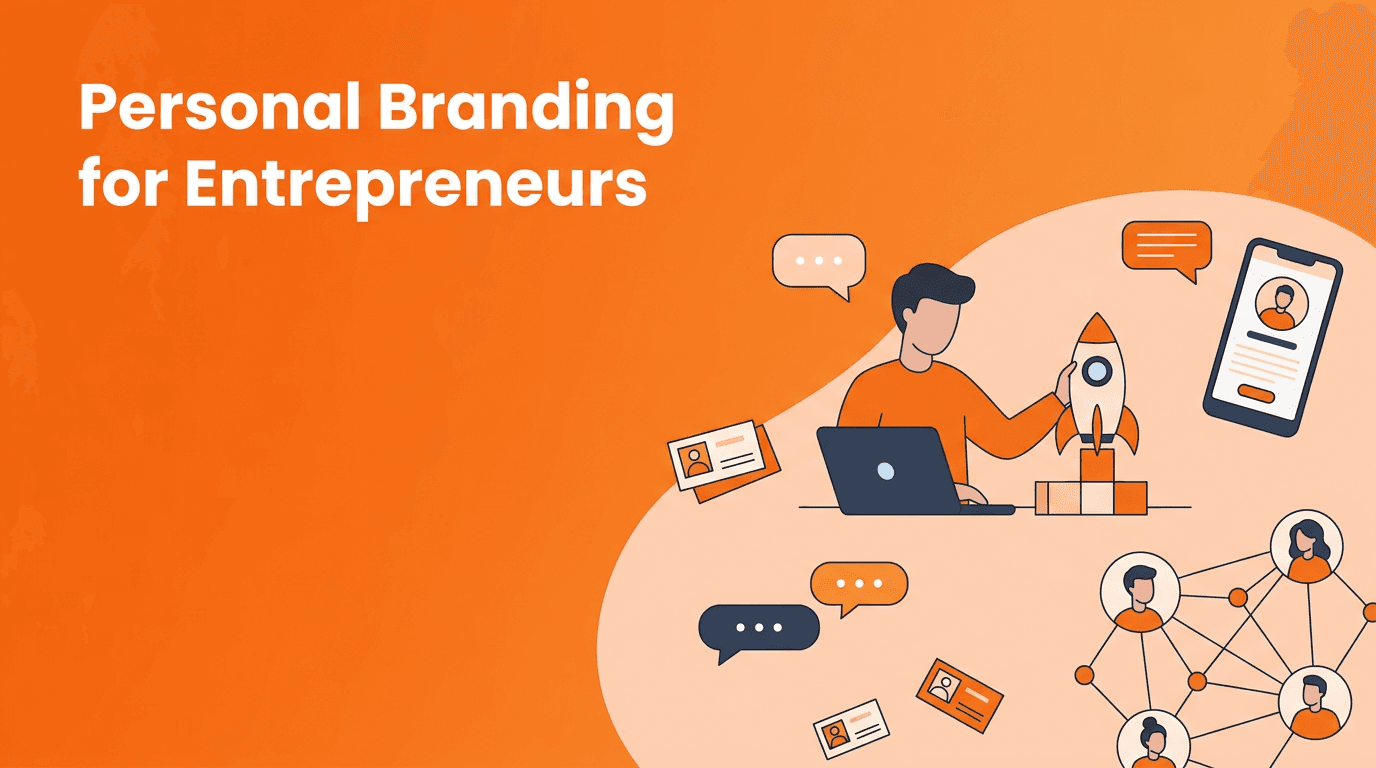
Personal branding helps entrepreneurs grow trust, attract networking opportunities, and strengthen an online business before a startup fully scales.

By Haply Team
Haply Editorial Team
In the early stages of entrepreneurship, people rarely buy only a product. They buy clarity, credibility, and confidence in the person behind it. That is why personal branding can become one of the smartest assets you build before your startup gains momentum. If you are growing an online business, your brand helps people understand who you are, what you do, and why they should trust you.
Why personal branding matters before your startup takes off
Many founders wait until they have a polished website, a bigger audience, or a full team. That delay is costly. Personal branding creates visibility early, which makes it easier to attract clients, collaborators, podcast invites, referrals, and warm networking opportunities. A clear reputation can open doors long before revenue becomes predictable.
- People trust people before they trust companies
- A founder brand gives your startup a human voice
- Strong visibility makes networking more natural and less forced
- A clear message helps your online business stand out in crowded markets
- Your brand becomes a long-term asset you can carry into future ventures
"Your reputation walks into the room before you do."
The 3-part personal branding framework for modern entrepreneurship
1. Define your signature message
Your audience should be able to describe your work in one sentence. Start with this formula: I help [who] achieve [result] through [method]. For example, a founder might say, "I help freelance designers build recurring revenue through simple systems and better client positioning." This kind of message sharpens your personal branding and makes your networking conversations more memorable.
2. Show proof, not just ambition
A common mistake in entrepreneurship is talking only about big goals. Ambition matters, but proof builds trust. Share short case studies, lessons from experiments, screenshots of results, customer feedback, or behind-the-scenes decisions from your startup journey. Even if your wins are small, they make your online business feel real and active.
3. Create recognizable consistency
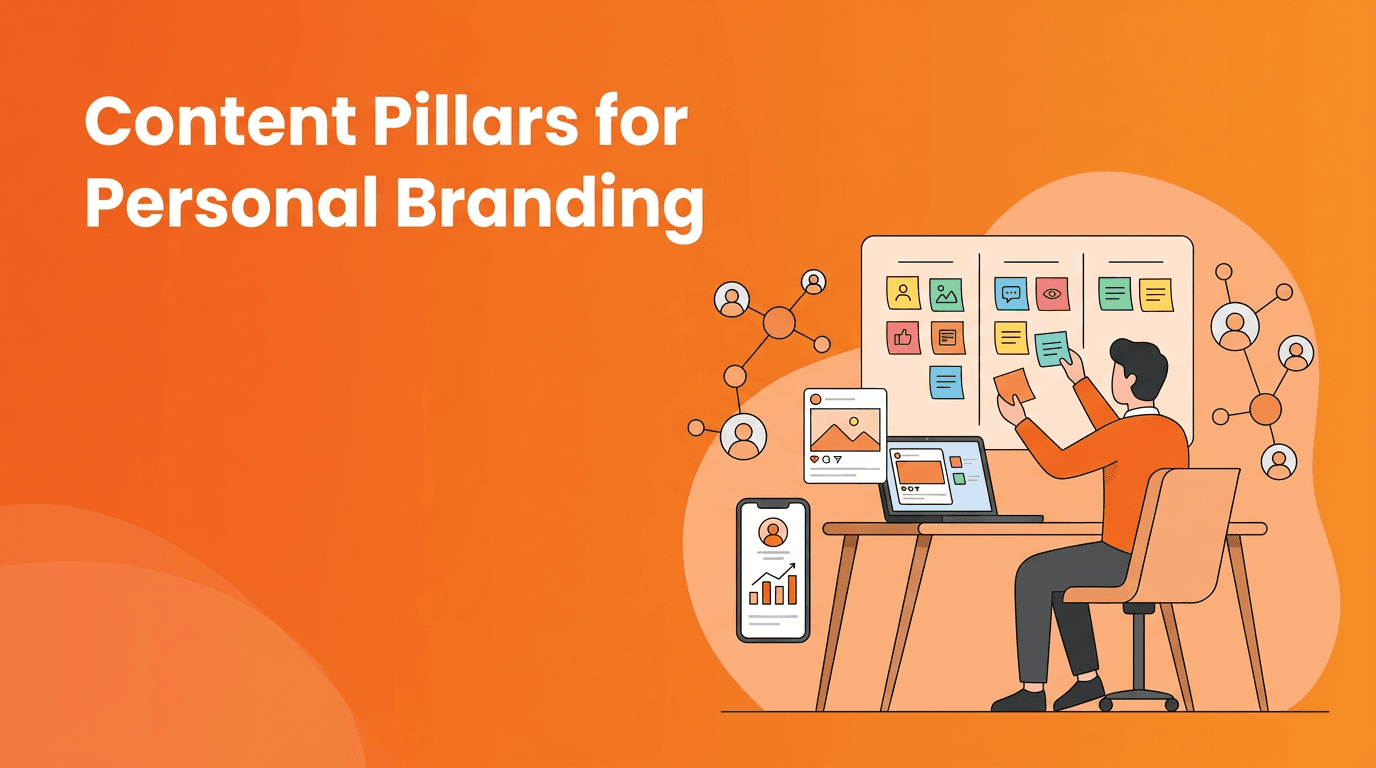
Consistency does not mean sounding robotic. It means repeating your core topics, values, and perspective often enough that people remember you. Choose 3 content pillars, such as startup lessons, online business systems, and networking strategies. This keeps your message focused and your audience clear.
How to build a personal branding system in 30 minutes a week
You do not need to become a full-time content creator. You need a simple system you can sustain. The best personal branding plan is the one you can repeat when business gets busy.
- Write down 3 audience problems you solve
- Turn each problem into one short post, story, or video idea
- Share one real lesson from your startup or client work each week
- Comment thoughtfully on posts from peers to improve networking visibility
- Update your bio so it clearly explains your online business and who it serves
- Track which topics spark replies, saves, or direct messages
Build your growth habits with Haply
Want more consistency in your career, brand, and business goals? Haply is an AI life coaching app for iOS and Android that helps you stay focused with personalized coaching, habit tracking, daily reminders, and tools like the Task Planner and Idea Board.
Try Haply FreeNetworking becomes easier when your brand is clear
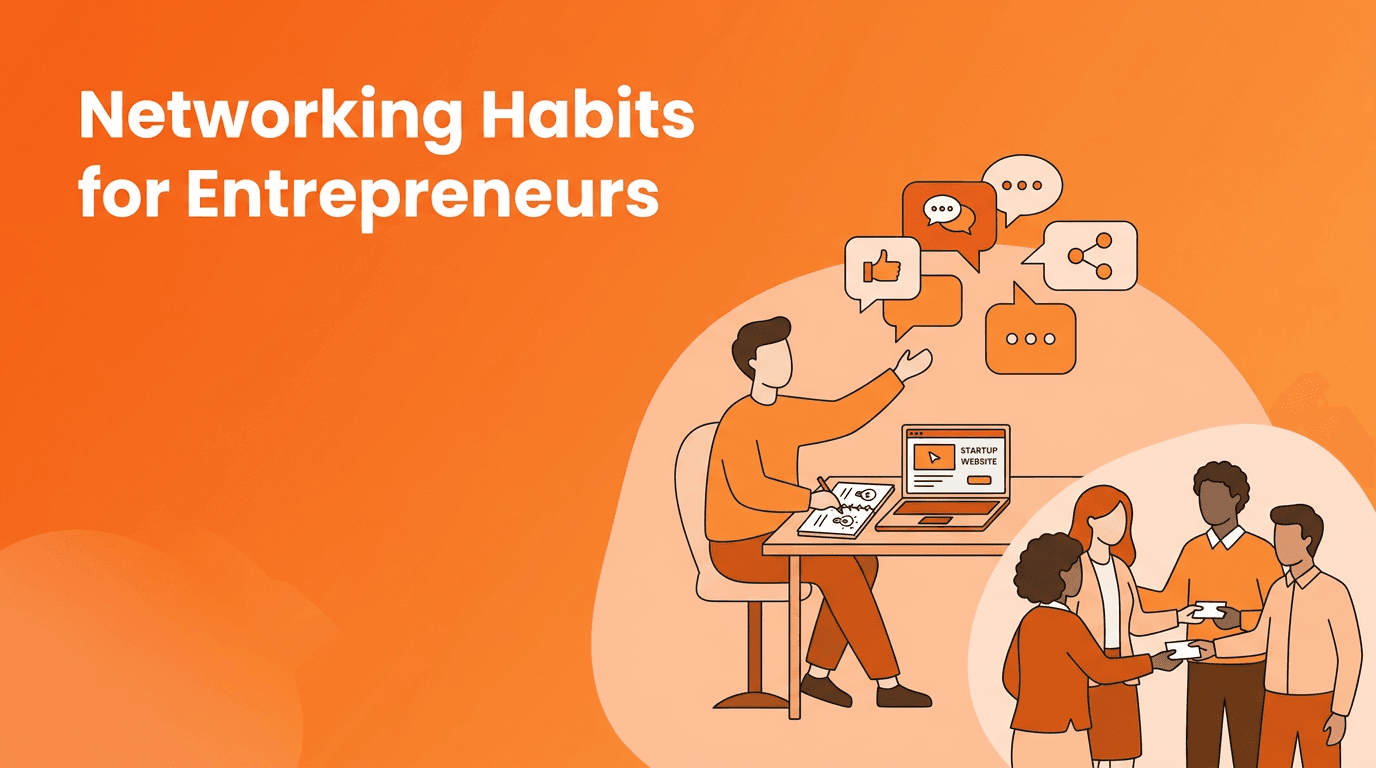
A lot of professionals think networking means cold outreach and awkward self-promotion. In reality, strong personal branding makes networking warmer. When your profile, content, and conversations reflect a clear point of view, people know how to remember you and who to introduce you to. That is especially valuable for founders building in public or launching a service-based online business.
- Reach out with a specific reason instead of a generic intro
- Reference a shared interest, industry challenge, or recent post
- Offer a useful insight, introduction, or resource first
- Keep your message short and easy to respond to
- Follow up by nurturing the relationship, not pushing a pitch
Common personal branding mistakes entrepreneurs should avoid
- Trying to appeal to everyone, which weakens your message
- Posting constantly without linking content to a clear business goal
- Copying another founder's tone instead of developing your own voice
- Talking only about success and never sharing lessons learned
- Neglecting your profiles, bios, and contact pathways
- Treating networking as transactional instead of relational
If you want your startup to grow sustainably, think of your brand as a trust engine. Every helpful post, thoughtful reply, and clear introduction compounds over time. That compounding effect is one of the most practical advantages in entrepreneurship.
Use AI coaching to stay consistent with your personal brand
Consistency is often the hardest part of brand-building. This is where structure helps. With Haply, you can use chat-based coaching to clarify goals, break down weekly actions, and stay accountable. Its Career and Productivity coaches can help you plan content habits, improve focus, and maintain momentum while you build your online business. Features like streaks, reminders, and the Today Dashboard make it easier to keep showing up.
Frequently Asked Questions
How do I start personal branding as an entrepreneur?
Start by defining who you help, what result you create, and what makes your approach different. Then share useful insights and proof consistently on the platforms where your audience already spends time.
Why is personal branding important for a startup founder?
It helps founders build trust faster, attract partnerships, and create visibility before the company becomes widely known. People often connect with the founder before they commit to the product.
Can personal branding help an online business grow?
Yes. A clear personal brand can improve audience trust, increase referrals, and make marketing more effective because people understand your expertise and point of view.
What is the difference between personal branding and networking?
Personal branding shapes how people perceive your value, while networking is the process of building relationships. Strong branding makes networking easier because your message is already clear.