Skill Stacking Through Creative Hobbies: How Adults Learn Faster With Art, Music, and Photography
Skill stacking through creative hobbies can make adult learning more joyful, practical, and sustainable. Discover how art, music, and photography help you grow through playful practice.

By Haply Team
Haply Editorial Team
Creative hobbies are not just cute little side quests for weekends. They can become a surprisingly smart way to improve adult learning, build confidence, and give your brain a fresh playground. If you have ever wanted a creative outlet but worried you were not naturally artistic, good news: you do not need to pick one perfect talent. You can learn faster by mixing art, music, and photography in playful ways.
Why creative hobbies work like skill stacking
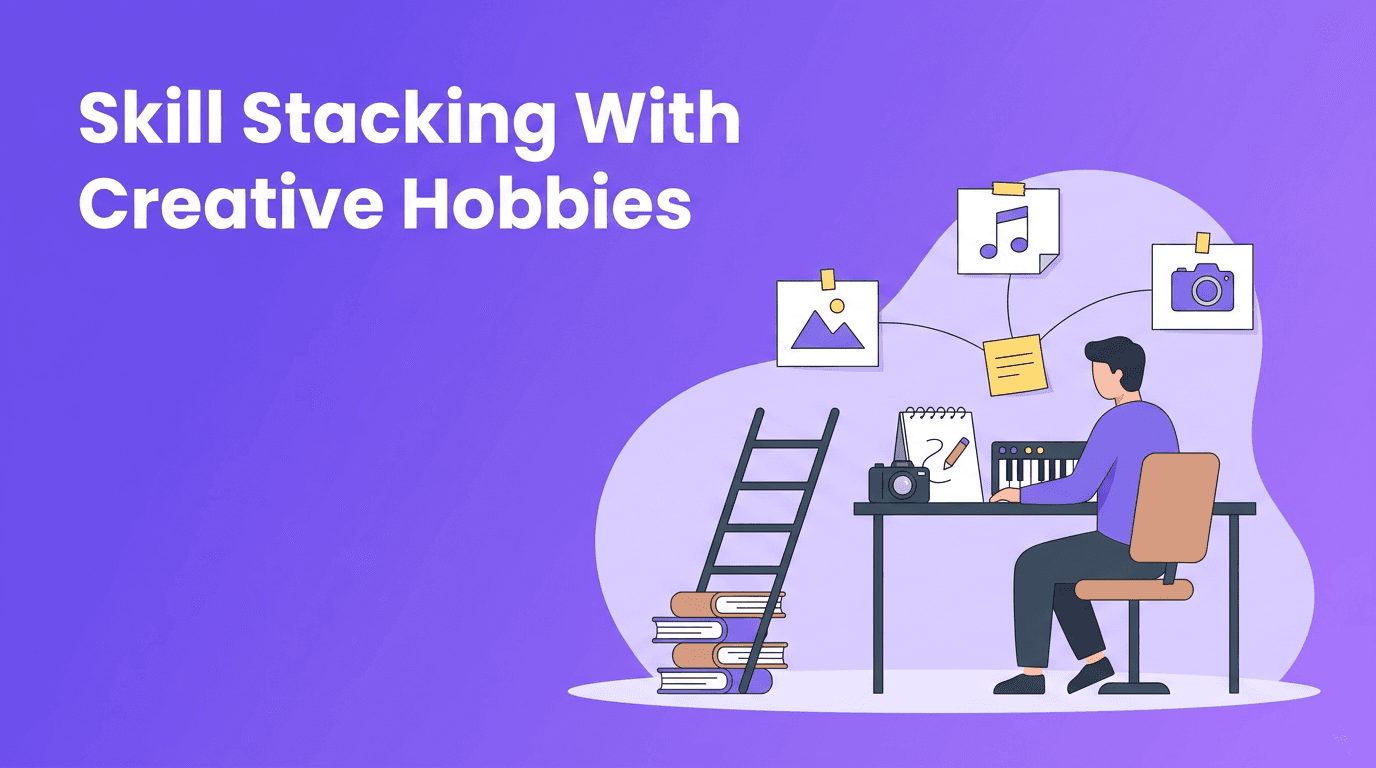
Think of skill stacking as building a sandwich instead of waiting to find one giant magical ingredient. One hobby teaches observation, another teaches rhythm, another teaches composition. Together, they create a stronger creative toolkit than any single activity on its own. That is why creative hobbies often feel energizing rather than exhausting. You are collecting mini-skills that quietly support each other.
- Art trains your eye to notice shape, contrast, and detail.
- Music sharpens pattern recognition, timing, and emotional expression.
- Photography improves framing, storytelling, and decision-making.
- Combined, these hobbies strengthen creative expression and flexible thinking.
- This cross-training approach makes adult learning feel more playful and less intimidating.
"Creativity is less about waiting for inspiration and more about collecting experiences your mind can remix later."
The adult learning advantage of mixing art, music, and photography
Adults often assume learning should be efficient, measurable, and very serious. Cute idea, but creativity usually prefers curiosity over spreadsheets. When you combine art, music, and photography, you practice experimenting without needing instant mastery. That lowers pressure and helps you stay consistent, which is one of the biggest wins in adult learning.
Each hobby teaches a different creative muscle
Sketching teaches you to slow down and really see. Playing music teaches repetition without boredom because rhythm makes practice feel alive. Photography teaches you to make quick choices with limited conditions, which is fantastic for problem-solving. These are not isolated benefits. They spill into work, communication, and everyday confidence.
- Try art if you want to improve patience and visual thinking.
- Try music if you want structure, repetition, and emotional release.
- Try photography if you want immediate feedback and storytelling practice.
- Pair two hobbies together to create a stronger creative outlet.
- Rotate hobbies by energy level so your routine stays sustainable.
A playful method: build a hobby loop instead of a rigid routine
A lot of people quit because they choose a hobby plan that feels like unpaid homework. Instead, create a simple hobby loop. Pick three tiny actions you can rotate through during the week. This keeps creative hobbies fresh and reduces the all-or-nothing trap.
Example of a 20-minute hobby loop
- Monday: spend 20 minutes doodling objects on your desk.
- Wednesday: learn one short melody or rhythm on an instrument or app.
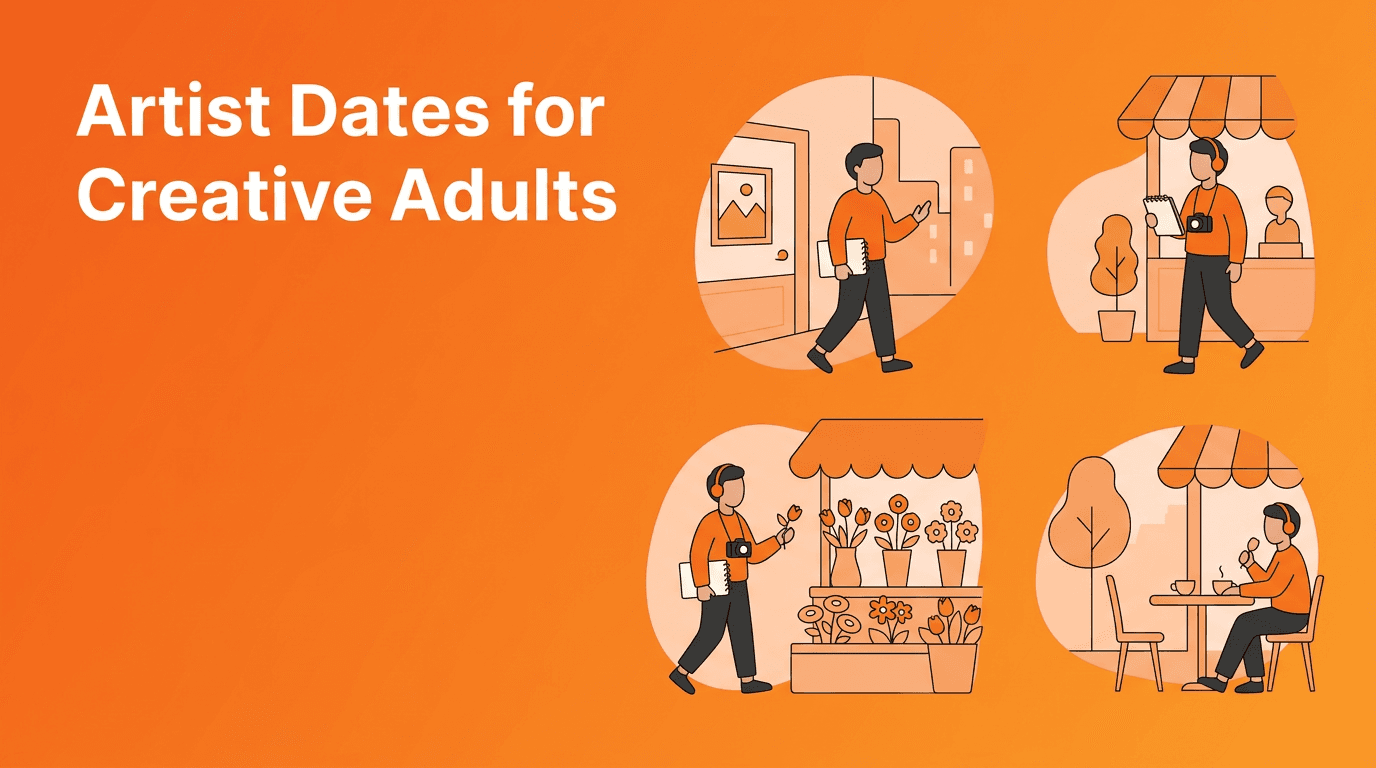
- Saturday: take 10 photos around your neighborhood using one theme, like shadows or doors.
- At the end of the week, note one thing each activity taught you about attention, emotion, or composition.
This tiny loop creates momentum. It also helps you notice patterns across disciplines. Maybe your sketching improves your photography framing. Maybe music helps you understand pacing in visual storytelling. That is the sneaky power of stacking creative hobbies.
Want support staying creatively consistent?
Haply is an AI life coaching app for iOS and Android with specialized Creativity coaches, habit tracking, streaks, daily reminders, and an Idea Board mini-app to capture sparks before they disappear.
Try Haply FreeHow to choose the right creative outlet when you feel rusty
If you have not made anything in years, do not ask, "What am I best at?" Ask, "What feels easiest to return to?" The best creative outlet is usually the one that lowers friction. Maybe that is phone photography on lunch breaks. Maybe it is humming into a voice memo. Maybe it is messy collage with old magazines and zero expectations.
- Choose art if you like tactile tools and visible progress.
- Choose music if sound helps you process feelings.
- Choose photography if you enjoy exploration and noticing beauty in ordinary places.
- Choose the hobby with the fewest setup steps, not the one that sounds most impressive.
- Give yourself a 2-week experiment before judging your talent.
What makes creative hobbies stick for busy adults
Consistency comes from identity, not intensity. When you start seeing yourself as a person who notices, plays, and experiments, you stop treating creativity like a test. Use tiny cues: leave your camera by the door, keep a sketchbook on the table, or save a 10-minute music lesson on your phone. Small environmental nudges beat giant motivation speeches every time.
Use reflection to turn hobbies into growth
After each session, write down three quick notes: what you tried, what surprised you, and what you want to try next. This turns casual fun into intentional adult learning without draining the joy out of it. If you like digital support, Haply's Today Dashboard, reminders, and goal-based onboarding can help you build a creative practice that actually fits real life.
The real goal is not mastery, it is creative range
You do not need to become a gallery artist, concert pianist, or famous street photographer for your hobbies to matter. The real win is expanding your creative expression and building a richer relationship with your own attention. When creative hobbies become part of your week, you learn to observe more deeply, feel more openly, and make things more freely. That is not extra. That is a life upgrade.
Frequently Asked Questions
What are the best creative hobbies for adults?
The best creative hobbies for adults are the ones with low friction and high curiosity, such as sketching, photography, music practice, collage, creative writing, or pottery. Start with the one you can do most easily this week.
How do creative hobbies help adult learning?
Creative hobbies improve observation, memory, flexibility, and problem-solving. They also make learning feel more enjoyable, which increases consistency over time.
Can photography be a creative outlet for stress?
Yes. Photography can reduce stress by shifting your attention to the present moment and helping you notice beauty, patterns, and stories in everyday life.
Is music or art better for beginners who want to be more creative?
Neither is universally better. Choose art if you enjoy visual experimentation, and choose music if rhythm and sound feel more natural or emotionally rewarding.
How often should adults practice creative hobbies?
Even 10 to 20 minutes, two or three times a week, can build momentum. The key is regular, enjoyable practice rather than long, exhausting sessions.