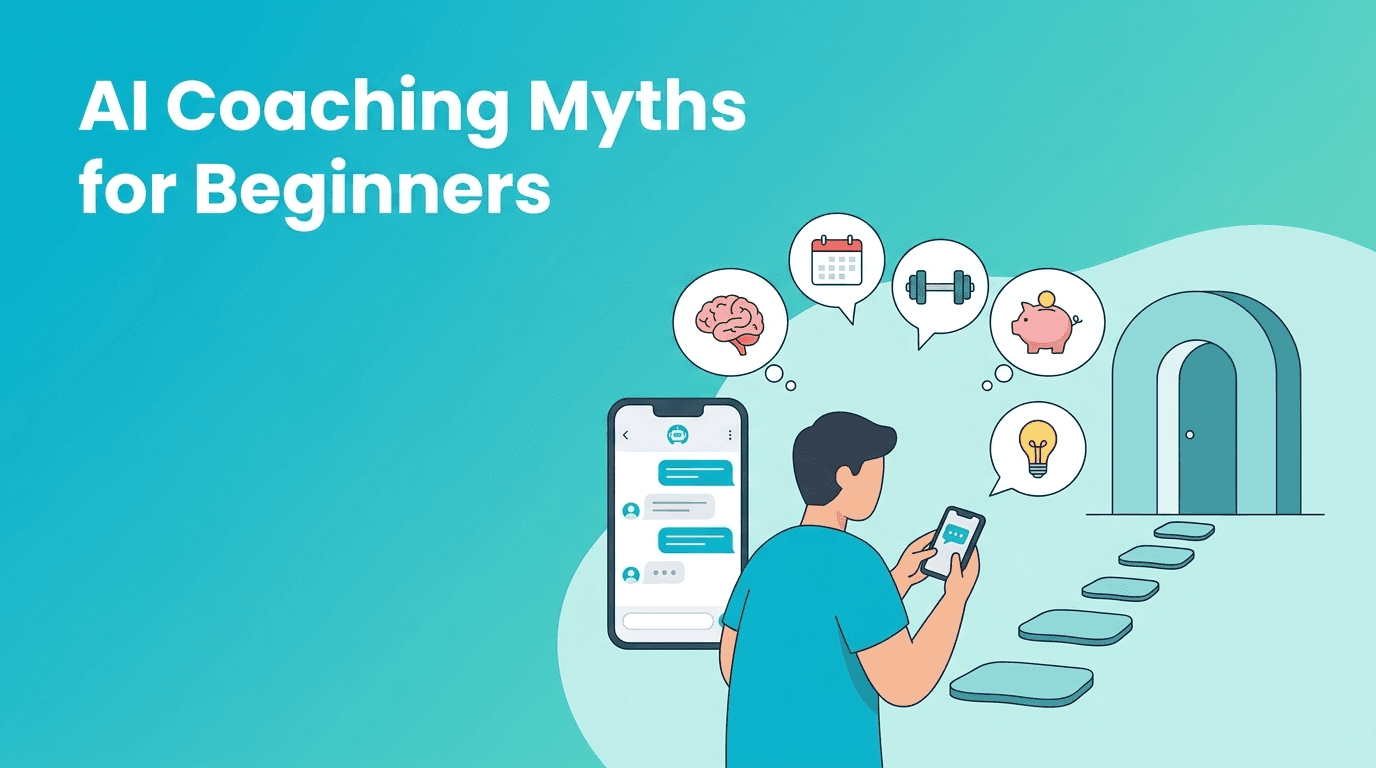
AI Coaching Myths Beginners Should Stop Believing
Curious about AI coaching myths? This beginner-friendly guide explains what AI coaching can and cannot do, how to get started with coaching, and what the future of AI means for personal growth.

By Haply Team
Haply Editorial Team
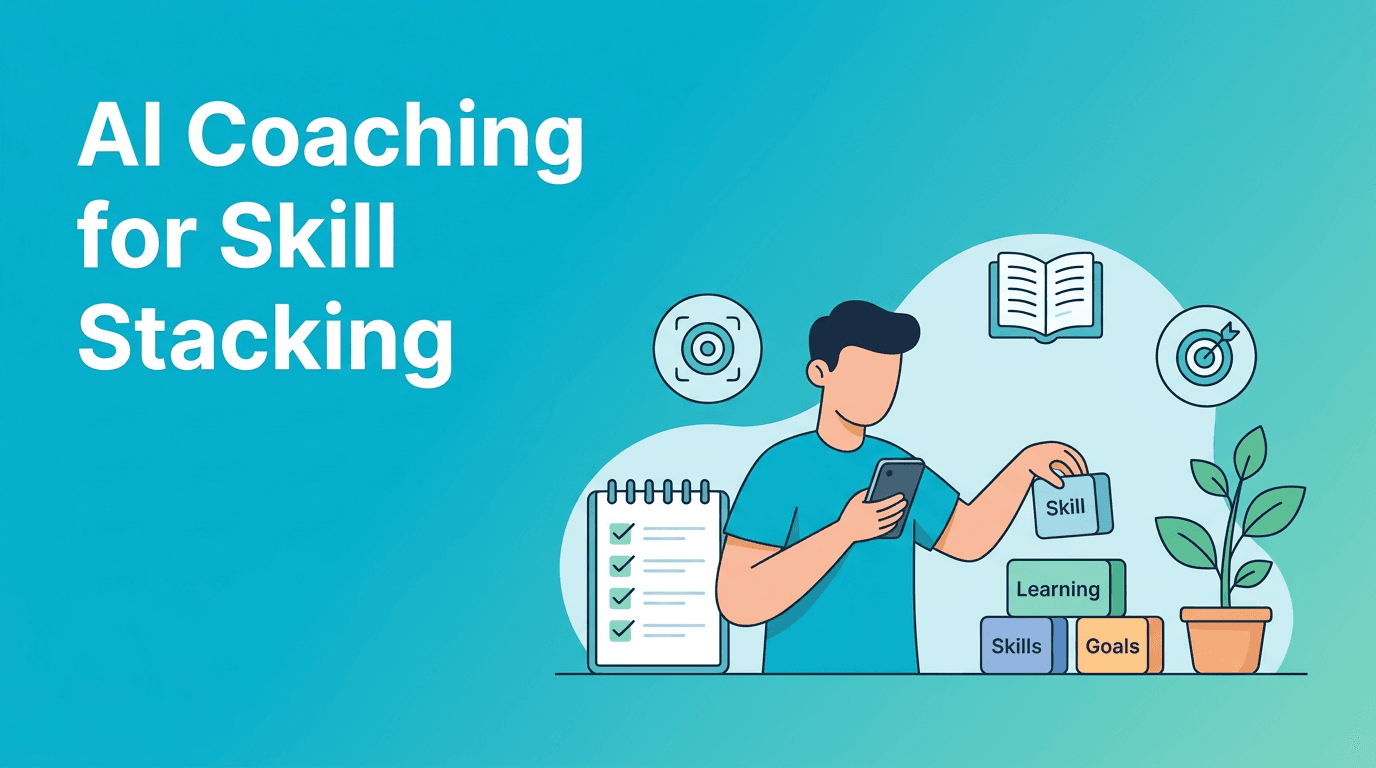
AI coaching myths stop many beginners before they even try a tool that could support real progress. If you are curious about getting started with coaching, it helps to separate hype from reality. The truth is simple: technology-powered coaching is not magic, but it can be a practical way to build awareness, consistency, and momentum in everyday life.
For people exploring personal development for the first time, AI can make coaching feel less intimidating. You can check in privately, ask questions at any hour, and get structured prompts without needing to schedule a formal session. That accessibility is one reason current coaching trends point toward more digital support, not less.
Why AI coaching myths spread so easily
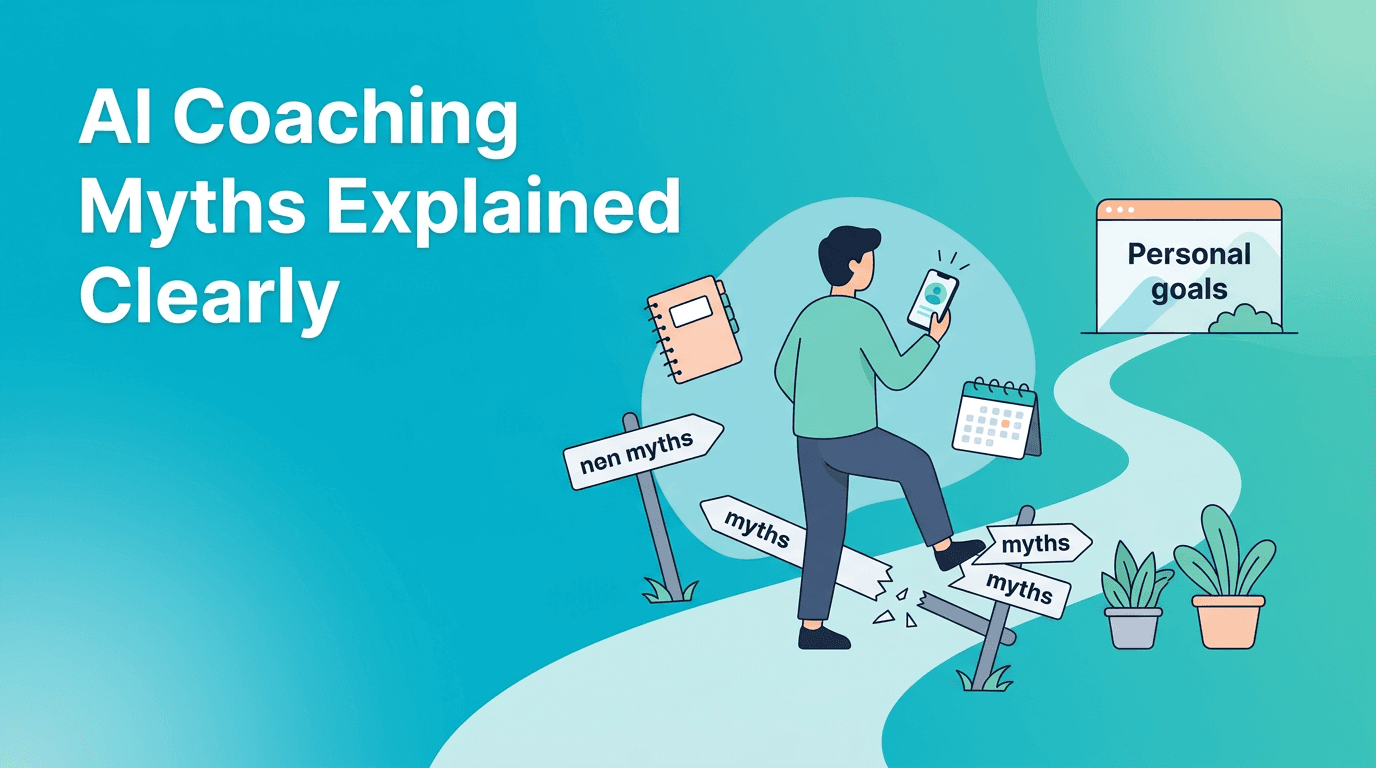
New technology often gets pushed into extremes. Some people say AI will replace every coach. Others say it is useless because it is not human. Most AI coaching myths come from this all-or-nothing thinking. In reality, AI coaching sits in the middle: it is a tool that can be very helpful for some goals, especially when you want daily guidance, reflection, and habit support.
- Myth 1: AI coaching is only for tech experts
- Myth 2: AI coaching gives generic advice that does not fit real life
- Myth 3: AI coaching and human coaching must compete
- Myth 4: AI coaching only works for productivity goals
- Myth 5: AI coaching is a passing trend with no future value
Myth 1: AI coaching is too complicated for beginners
This is one of the easiest myths to disprove. Many tools are built specifically for beginners who want simple, guided support. If you are getting started with coaching, an app can actually reduce friction because it breaks growth into small conversations, reminders, and next steps.
For example, Haply offers chat-based coaching on iOS and Android across areas like productivity, wellness, career, learning, finance, creativity, and relationships. Instead of making you build a full system alone, it personalizes your experience through goal-based onboarding and gives you a Today Dashboard, habit streaks, and mini-tools like a Focus Timer and Task Planner.
Beginner coaching tips that make AI easier to use
- Start with one goal, not five. Pick something clear like better sleep, less procrastination, or more focused study time.
- Use short daily check-ins. Five minutes is enough to build consistency.
- Answer prompts honestly. AI coaching improves when your responses reflect your real obstacles.
- Track one small metric, such as number of workouts, hours slept, or completed tasks.
- Review progress weekly so your coaching does not become background noise.
"The best coaching tool is not the most impressive one. It is the one you will actually use consistently."
Myth 2: AI coaching is too generic to be useful
A weak tool can feel generic, but good AI coaching becomes more useful through interaction. The more context you share, the more relevant the prompts, reflections, and action steps can become. This is why one of the smartest coaching tips is to treat your AI coach like an ongoing conversation, not a one-time search box.
In practice, AI coaching often works best for structured support: clarifying goals, breaking tasks down, spotting patterns, and keeping you accountable. If you say, "I want to study after work but I always feel drained," the tool can help you test smaller study blocks, adjust timing, and identify triggers that affect follow-through.
Myth 3: AI coaching will replace human coaches
The future of AI in coaching is more likely to be collaborative than replacement-based. Human coaches bring lived experience, emotional nuance, and deep relational support. AI brings availability, speed, pattern tracking, and lower cost. For many people, the strongest model is using both at different moments.
- Use AI coaching for daily check-ins, reminders, journaling prompts, and habit tracking.
- Use a human coach when you need deeper emotional processing, major life decisions, or complex relational support.
- Combine both if you want continuous momentum between live sessions.
Want a simple way to try AI coaching?
Haply makes personal growth feel approachable with specialized AI coaches, daily guidance, mini-apps, and a 7-day free trial. It is a beginner-friendly way to explore coaching without pressure.
Try Haply FreeMyth 4: AI coaching is only for productivity
Productivity is just one use case. One reason AI coaching myths persist is that many people imagine digital coaching as a glorified to-do list. But technology-powered personal development now supports multiple life areas, from stress reduction to relationship reflection to financial habits.
That broader scope is visible in current coaching trends. People want tools that meet them where they are, not systems that treat life as one category. A modern app can support breathing exercises, sleep routines, creative planning, budget habits, and mindset reflection in the same ecosystem.
- Wellness: guided breathing, stress check-ins, sleep support
- Career: decision-making prompts, confidence building, planning next steps
- Learning: study structure, focus support, progress review
- Finance: spending awareness, budgeting routines, goal tracking
- Relationships: communication reflection and habit awareness
Myth 5: AI coaching is just a trend
Some trends disappear because they solve nothing. AI coaching is growing because it answers a real problem: many people want support, but traditional coaching can feel expensive, intimidating, or hard to access regularly. That is why the future of AI in personal growth is tied to accessibility and frequency, not novelty alone.
As technology improves, we will likely see more personalized coaching paths, smarter progress reviews, stronger habit feedback, and better integration with daily routines. The biggest shift may be cultural. Coaching could move from being something a few people do occasionally to something many people use in small, practical ways every day.
What the future of AI coaching may look like
- More personalized guidance based on goals, patterns, and preferences
- Better cross-life support that connects wellness, work, learning, and relationships
- More affordable entry points for people who are getting started with coaching
- Smarter accountability through reminders, streaks, and progress summaries
- Hybrid models where AI and human support work together
How to get started with coaching without overthinking it
If you are still unsure, keep your first step very small. You do not need a perfect vision for your life. You just need one area that feels stuck and one tool that helps you move. That is the most practical answer to getting started with coaching.
- Choose one life area you want to improve this month.
- Write one sentence about what feels hard right now.
- Ask your coaching tool for three tiny actions you could try this week.
- Set a daily reminder so reflection becomes a routine.
- Review what worked after seven days and adjust.
The goal is not to find a perfect system immediately. The goal is to build trust in your own ability to change with support. Once you stop believing the loudest AI coaching myths, you can evaluate these tools more clearly and decide what actually helps you grow.
Frequently Asked Questions
What is AI coaching and how does it work?
AI coaching uses conversational technology to help you reflect, set goals, build habits, and stay accountable. It often works through chat, prompts, reminders, and progress tracking.
Is AI coaching good for beginners?
Yes, AI coaching can be very beginner-friendly because it offers low-pressure, on-demand support. It is especially useful if you want structure without booking live sessions.
Can AI coaching replace a human coach?
Not completely. AI coaching is great for daily support and habit building, while human coaches are often better for deep emotional nuance and complex situations.
How do I get started with coaching if I feel overwhelmed?
Start with one small goal and one short daily check-in. Focus on consistency first, then build from there as you learn what support works best for you.
What are the biggest coaching trends right now?
Major coaching trends include more digital access, personalized support, hybrid AI plus human models, and tools that connect habits, reflection, and everyday decision-making.