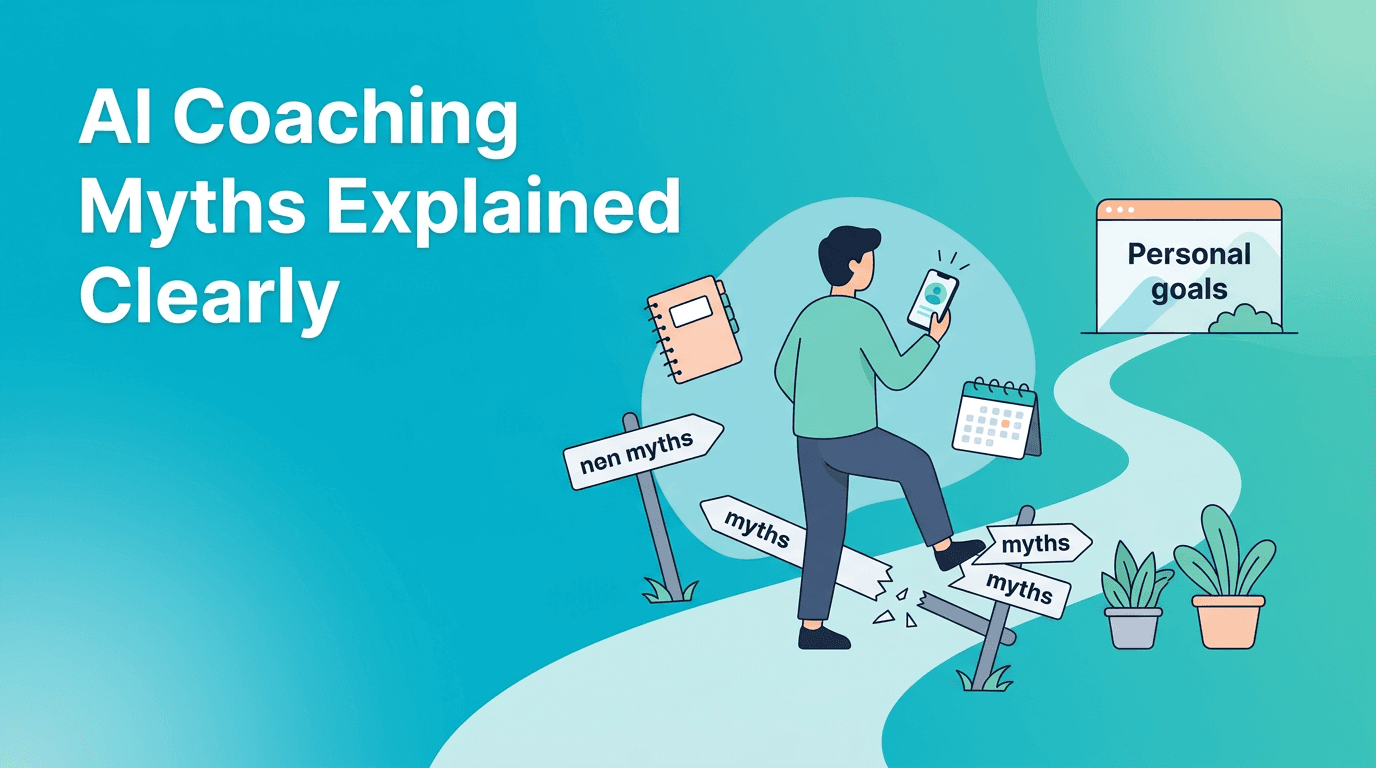
AI Coaching Myths That Stop People From Starting Personal Development
AI coaching is often misunderstood. Learn which myths hold people back, how artificial intelligence supports personal development, and what coaching technology can actually do.

By Haply Team
Haply Editorial Team
AI coaching myths shape how many people think about digital support before they ever try it. Some assume artificial intelligence is cold, generic, or only useful for productivity hacks. In reality, modern AI coaching can support personal development in practical, flexible ways, especially when coaching technology is designed around reflection, habits, and real-life goals.
Why AI coaching myths matter
Misconceptions do more than confuse people. They delay action. If someone believes AI coaching is only for tech experts or that it cannot help with emotional awareness, they may never explore tools that could make growth feel easier and more consistent. The future of coaching is not just about new software. It is also about helping people understand what these tools can and cannot do well.
- Myths create hesitation when people could be building useful routines today.
- Artificial intelligence is often judged by outdated examples, not current coaching experiences.
- Personal development becomes more accessible when people know how to use coaching technology realistically.
- Better expectations lead to better results, because users pick the right tool for the right job.
Myth 1: AI coaching is just generic advice
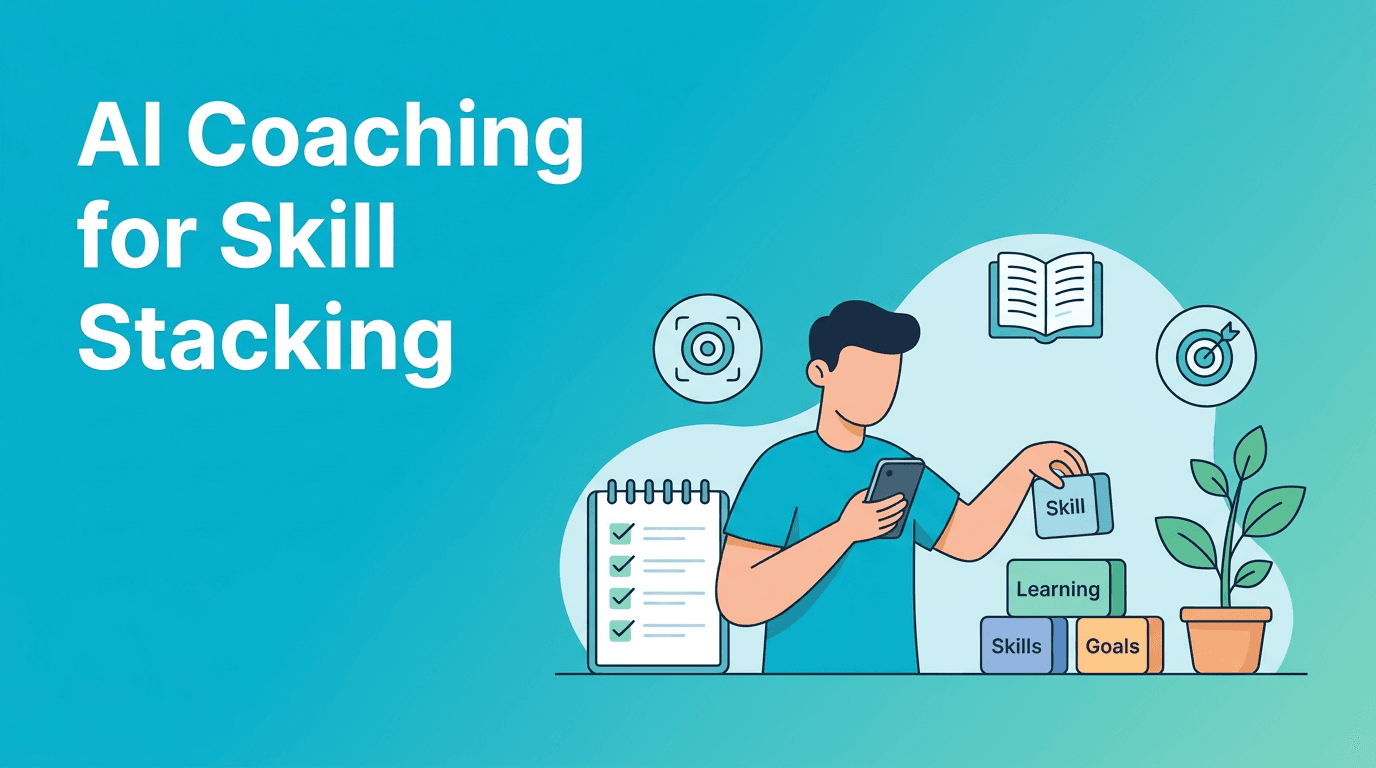
This is one of the most common misunderstandings. Basic chat tools can feel generic, but specialized AI coaching systems are built to respond to your goals, routines, obstacles, and patterns over time. Good coaching technology asks follow-up questions, remembers context within the experience, and helps turn broad intentions into specific next steps.
What personalization actually looks like
- A coach can help you break a vague goal like "improve my life" into a weekly plan.
- It can suggest different actions depending on whether your focus is wellness, career, learning, relationships, or productivity.
- It can adapt prompts based on your energy, schedule, and recent progress.
- It can connect coaching conversations to tools like habit tracking, planning, or guided breathing.
For example, Haply is an AI life coaching app on iOS and Android that offers specialized AI coaches across life areas such as Productivity, Wellness, Career, Learning, Finance, Creativity, and Relationships. Instead of giving the same answer to everyone, it uses goal-based onboarding and chat-based coaching sessions to create a more relevant path.
"The best coaching technology does not replace self-awareness. It helps you practice it more often."
Myth 2: Artificial intelligence cannot support real personal development
People often define personal development too narrowly, as if growth only counts when it happens in long, intense sessions. But real change usually comes from repeated small actions: noticing patterns, setting priorities, tracking habits, reflecting after setbacks, and trying again. These are areas where artificial intelligence can be surprisingly useful.
If a tool helps you pause before reacting, review your week, remember your goals, and choose one meaningful action, that is not fake growth. That is structured support. AI coaching myths often ignore the fact that consistency matters as much as insight.
Myth 3: Coaching technology is only for productivity
Productivity is just one use case. Today, coaching technology can support sleep routines, stress management, emotional check-ins, confidence building, learning plans, money habits, creative momentum, and relationship reflection. The strongest platforms treat growth as multi-dimensional, not just a bigger to-do list.
- Use a Focus Timer when you need deep work.
- Open a Meditation or Breathe tool when stress is high.
- Review spending with a Budget Tracker if financial clarity is your goal.
- Capture ideas in an Idea Board when creativity matters more than efficiency.
- Use a Today Dashboard to see your priorities and motivational prompts in one place.
This broader view matters because many people do not need more pressure. They need better support. A well-designed app like Haply combines coaching conversations with mini-apps and reminders so progress feels integrated into daily life.
Myth 4: AI coaching means coaching without human values
Another fear is that AI automatically makes personal growth mechanical. But values do not disappear because technology is involved. In fact, many AI coaching experiences are useful precisely because they help users clarify values, notice tradeoffs, and align behavior with what matters most.
A healthier way to think about AI coaching
- Use AI for structure, repetition, and reflection prompts.
- Use trusted humans for deep emotional support, therapy, or complex life decisions when needed.
- Let coaching technology handle the daily touchpoints that often get missed between bigger conversations.
- Treat artificial intelligence as a tool for practice, not a magical authority.
This balanced mindset is important for the future of coaching. The most helpful model may not be human or AI. It may be human and AI, with each playing a different role.
Want to test AI coaching in real life?
Try Haply to explore chat-based coaching, habit tracking, daily reminders, and mini-tools for personal development across productivity, wellness, career, and more.
Try Haply FreeHow to tell if AI coaching is a good fit for you
You do not need to believe every promise about the future of coaching. You just need a clear way to evaluate whether a tool helps you. Start small and look for evidence in your own life.
- Choose one goal for the next 7 days, not ten.
- Check whether the app helps you create specific actions, not vague inspiration.
- Notice if reminders feel supportive, not noisy.
- Track whether you feel more aware, consistent, and focused after using it.
- Look for features that match your real needs, such as habit streaks, planning tools, or guided reflection.
A simple 5-minute AI coaching experiment
If you are curious but skeptical, run a short experiment. Open an AI coaching app and answer three questions: What matters most this week? What is getting in the way? What is one action I can do today? Then use the app's tracker or reminder system to follow through. Repeat for a week. This is often enough to see whether AI coaching myths match reality.
The future of coaching is more accessible and more everyday
Traditional coaching can be powerful, but it is often expensive, difficult to schedule, or unavailable to many people. That is where AI coaching changes the picture. By lowering cost barriers and increasing access, artificial intelligence can bring more people into the world of guided personal development.
That does not mean every app is equally helpful. Quality still matters. But the larger trend is clear: coaching is moving from occasional sessions to ongoing support. This shift makes growth less dependent on perfect timing and more connected to daily life.
Frequently Asked Questions
What is AI coaching and how does it work?
AI coaching uses artificial intelligence to guide reflection, goal setting, habit building, and decision support through personalized digital conversations and tools.
Can AI coaching really help with personal development?
Yes, especially for daily structure, self-reflection, and consistency. It works best when used for practical support and paired with human help when deeper care is needed.
Is AI coaching the same as therapy?
No. AI coaching focuses on goals, habits, motivation, and self-improvement, while therapy addresses mental health diagnosis, treatment, and deeper clinical concerns.
What should I look for in an AI life coaching app?
Look for personalized coaching, goal-based onboarding, habit tracking, reminders, and tools that match your needs, such as focus, wellness, finance, or learning support.