AI Goal Setting for Beginners: A Simple Way to Start Personal Growth
Curious about AI goal setting? This beginner-friendly guide shows how to use coaching tips, small routines, and smart AI support to build momentum in daily life.

By Haply Team
Haply Editorial Team
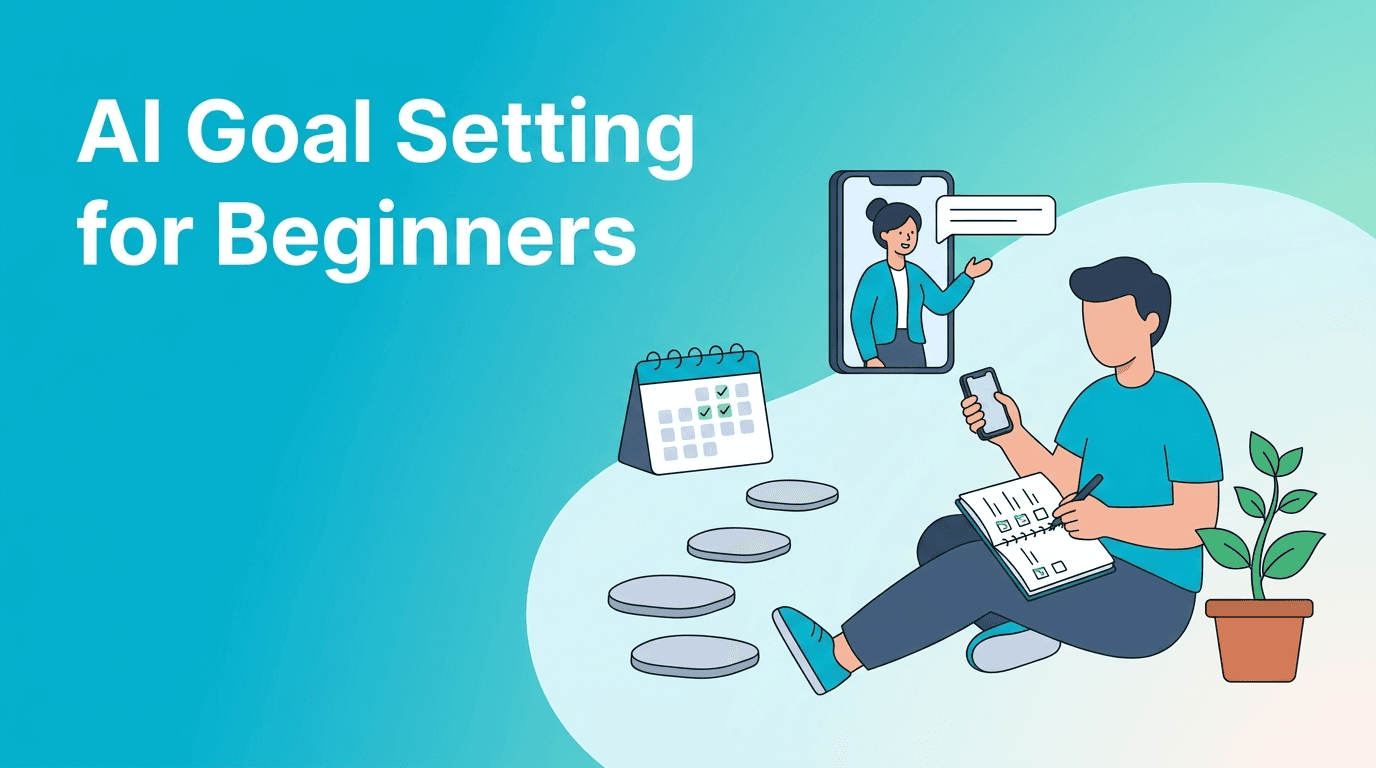
AI goal setting is one of the easiest ways for beginners to explore technology-powered personal development without feeling overwhelmed. Instead of guessing what to do next, you can use AI to break big intentions into smaller actions, reflect on progress, and stay motivated with steady support.
Why AI goal setting feels approachable for beginners
A lot of people are curious about coaching, but they do not know where to begin. Traditional coaching can feel formal, expensive, or hard to schedule. That is why AI goal setting has become such a practical entry point. It offers structure, prompts, and gentle accountability right from your phone.
- You start small with one goal instead of redesigning your whole life.
- You get prompts fast when you feel stuck or unmotivated.
- You can reflect privately before sharing your goals with anyone else.
- You build consistency through short check-ins rather than intense bursts of motivation.
How AI changes the first step in coaching
For many beginners, the hardest part of coaching is not the work itself. It is defining the real goal. People often say things like, "I want to be better," or "I need more discipline," but those ideas are too broad to act on. AI can help turn vague thoughts into clear, doable targets.
From fuzzy intention to clear action
Imagine you want more balance after work. A coaching app can ask follow-up questions, suggest patterns to notice, and help you identify a starting action like a 10-minute walk, a screen-free dinner, or a bedtime routine. This is where coaching tips become useful, because the goal stops being abstract and starts becoming visible.
"Small, specific actions create more change than big, vague promises."
- Ask yourself: What do I want to feel more of this week?
- Turn that answer into one behavior you can repeat.
- Choose a trigger, such as after breakfast or before bed.
- Track the action for seven days before making it bigger.
A simple 5-step AI goal setting method
1. Choose one life area
Start with one category, such as productivity, wellness, learning, relationships, or finance. Beginners often make faster progress when they focus on one area at a time instead of chasing total self-improvement.
2. Define success in plain language
Write what success would look like in daily life. For example, instead of saying "I want to be healthier," say "I want to stretch for 5 minutes every morning." This gives your AI coach something concrete to support.
3. Let AI suggest the first tiny step
This is where AI goal setting becomes especially helpful. A good system can recommend a step that feels realistic, not idealistic. That matters because people usually quit goals that are too ambitious too early.
4. Add reminders and reflection
Use habit reminders, streaks, or a daily dashboard to keep your goal visible. Reflection matters too. Ask what worked, what felt hard, and what should change next week.
5. Adjust based on real life
One of the biggest coaching trends is personalization. The best systems do not push the same plan every day. They help you adapt when your energy, schedule, or priorities change.
What this looks like inside a coaching app
Apps like Haply make this process feel less intimidating. Haply is an AI life coaching app on iOS and Android with specialized coaches for productivity, wellness, career, learning, finance, creativity, and relationships. You can chat through a goal, set up habits, and use mini-apps like the Focus Timer, Task Planner, Meditation, Sleep Stories, Budget Tracker, or Idea Board to support your next step.
- Goal-based onboarding helps personalize the experience from day one.
- The Today Dashboard gives a quick overview of priorities and motivation.
- Daily reminders and streaks make consistency easier.
- Level progression and achievements can make personal growth feel more tangible.
Want an easier way to start coaching?
Try Haply if you want chat-based support, practical tools, and beginner-friendly guidance for your next goal.
Try Haply FreeWhere AI goal setting fits into the future of AI coaching
When people talk about the future of AI, they often focus on automation or productivity. But one of the most interesting shifts is personal development. Technology is becoming more conversational, more adaptive, and more available in everyday life. That makes coaching feel less like a luxury service and more like a daily support system.
This does not mean AI replaces human wisdom in every situation. It means more people can access structured reflection, practical planning, and encouragement whenever they need it. That broader access is one of the most important coaching trends to watch.
Coaching tips to make AI support actually work
- Be honest instead of impressive. AI can only help with the version of the goal you share.
- Start with a goal that matters now. Relevance increases follow-through.
- Review weekly, not just daily. Patterns become clearer over time.
- Expect adjustments. A changed plan is not failure, it is useful feedback.
- Use tools that reduce friction. The easier the action, the more likely you are to repeat it.
The real opportunity for beginners
If you are getting started with coaching, you do not need a perfect plan. You need a simple starting point, a few useful prompts, and a system that helps you continue when motivation dips. That is why AI goal setting is such a practical first step into modern coaching. It turns personal development into something you can actually practice, not just think about.
Frequently Asked Questions
What is AI goal setting?
AI goal setting is the process of using AI tools or coaching apps to define goals, break them into steps, and stay accountable through prompts, reminders, and reflection.
Is AI goal setting good for beginners?
Yes. It is especially useful for beginners because it adds structure, makes goals feel less overwhelming, and supports consistent follow-through.
How is AI goal setting different from regular goal setting?
Regular goal setting often depends on self-motivation alone. AI goal setting adds personalized prompts, adaptive suggestions, and built-in accountability tools.
Can an AI coaching app help me stay consistent?
Yes. Many AI coaching apps include reminders, streak tracking, daily check-ins, and guided reflection to help you stay engaged with your goals.