Career Change Resume Tips for a Stronger Interview Story
A smart career change resume can connect your past experience to a new path, strengthen your job interview answers, improve your LinkedIn profile, and support better salary negotiation.
By Haply Team
Haply Editorial Team
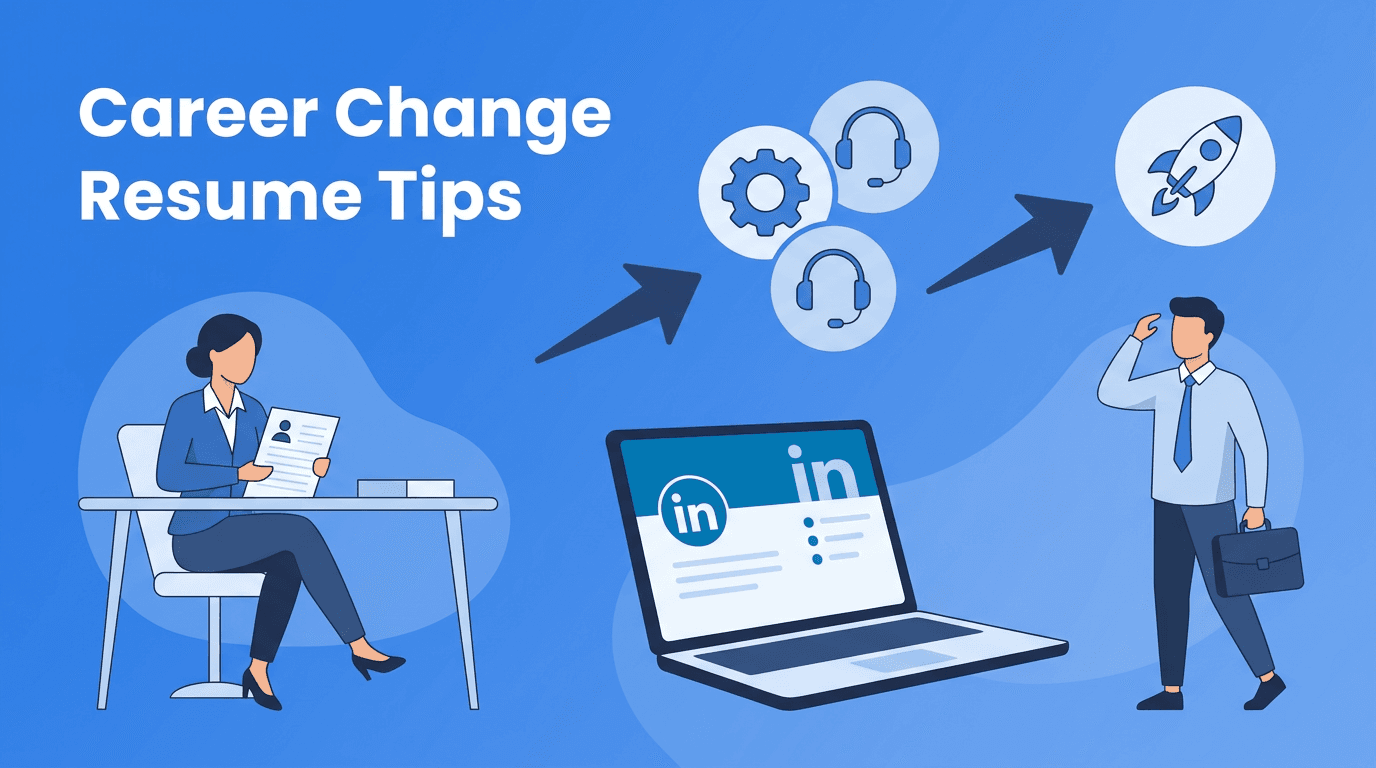
A career change resume is more than a document. It is the bridge between where you have been and where you want to go. If you are planning a career change, your resume, LinkedIn profile, job interview examples, and even your salary negotiation approach should all tell the same clear story.
Why a career change resume matters more than a standard resume
When you switch industries or roles, employers often look for proof that your past experience still fits their needs. A strong career change resume helps them quickly see your transferable skills, relevant wins, and motivation. Instead of listing everything you have ever done, it highlights what makes you credible in your next role.
- Lead with a summary that explains your target role and value
- Focus on transferable skills like communication, analysis, project management, and leadership
- Show results with numbers when possible
- Move the most relevant experience higher on the page
- Cut details that distract from your new direction
Start with the role you want, not the title you had
One of the biggest mistakes career changers make is writing a resume that looks backward. Hiring managers care most about the role you want to do next. Your career change resume should be built around the job description, the problems you can solve, and the skills that carry over from your previous work.
How to rewrite your professional summary
Your summary should answer three questions in a few lines: Who are you now, what role are you targeting, and why are you a strong fit? For example, a teacher moving into customer success might emphasize training, relationship building, communication, and problem solving. This same summary can also guide your LinkedIn headline and your opening answer in a job interview.
You do not need to start over in a career change. You need to translate your value clearly.
Connect your resume, LinkedIn, and job interview story
Think of your application materials as one system. Your resume should show evidence, your LinkedIn should reinforce your direction, and your job interview answers should bring the story to life. If these pieces do not match, hiring managers may feel uncertain. If they align, you appear focused and confident.
- Use the same target role language across your resume and LinkedIn
- Pin or feature projects, certifications, or portfolio work on LinkedIn
- Prepare interview stories that prove your transferable skills
- Practice a short explanation for why you are making a career change
- Keep your tone forward-looking, not apologetic
What to add to LinkedIn during a career transition
Update your headline, About section, and skills to match your target role. Ask for recommendations that speak to skills you will use in your new field. Share thoughtful posts about what you are learning. A polished LinkedIn profile can help recruiters understand your direction before they ever schedule a job interview.
Use achievement bullets that support salary negotiation later
Many people think salary negotiation starts at the offer stage, but it starts much earlier. Your resume shapes how employers value you. Strong bullets with outcomes, ownership, and business impact make it easier to justify a better offer later. If you can show revenue impact, time saved, customer satisfaction, efficiency gains, or successful projects, you build a stronger case.
- Start bullets with action verbs
- Show scope, such as team size, budget, or project complexity
- Add measurable outcomes whenever possible
- Tie past wins to problems common in your target role
- Keep evidence simple, specific, and easy to scan
Build your next chapter with support
If you are navigating a career transition, Haply can help you stay focused with personalized coaching, habit tracking, and practical tools for planning your next move. Use the Career coach to prepare for interviews, organize goals, and stay consistent.
Try Haply FreeA simple weekly plan for career changers
Career transitions feel easier when you break them into small actions. Instead of trying to fix everything in one weekend, build a repeatable routine. This is where tools like Haply, an AI life coaching app on iOS and Android, can be useful. Its chat-based coaching, Today Dashboard, Task Planner, and streak-based habit tracker can help you stay consistent without feeling overwhelmed.
- Monday: refine one section of your career change resume
- Tuesday: update your LinkedIn profile and connect with 5 relevant people
- Wednesday: practice 2 job interview stories using the STAR method
- Thursday: research target salaries and prepare for salary negotiation
- Friday: apply to a small number of well-matched roles
- Weekend: reflect, adjust, and plan the next week
Final thoughts on building a confident career change resume
A successful transition is not about pretending your old experience does not matter. It is about shaping that experience into a message employers understand. When your career change resume, LinkedIn, job interview stories, and salary negotiation mindset all work together, you give yourself a much stronger chance to land the right opportunity.
Frequently Asked Questions
How do I write a career change resume with no direct experience?
Focus on transferable skills, relevant achievements, certifications, and projects that match the new role. Show how your past work solved similar problems.
Should LinkedIn match my career change resume exactly?
Your LinkedIn profile should align with your resume in direction and messaging, but it can include more detail, featured work, and a broader professional story.
What should I say in a job interview about a career change?
Explain your shift clearly, connect your past experience to the new role, and show why you are motivated and prepared to succeed.
Can a strong resume help with salary negotiation?
Yes. A resume with clear achievements and measurable impact helps employers see your value, which supports stronger salary discussions later.