AI Coaching Myths: What a Coaching Comparison Reveals About Real Life Support
A practical coaching comparison can help you separate hype from reality. Learn how AI coaching, life coaching, and online coaching differ so you can choose support that fits your goals.

By Haply Team
Haply Editorial Team
A coaching comparison is most useful when it moves past marketing claims and looks at how support actually works in daily life. If you are choosing between AI coaching, life coaching, and online coaching, the smartest question is not which option sounds more impressive. It is which format helps you follow through, reflect honestly, and stay consistent.
Why coaching myths make decisions harder
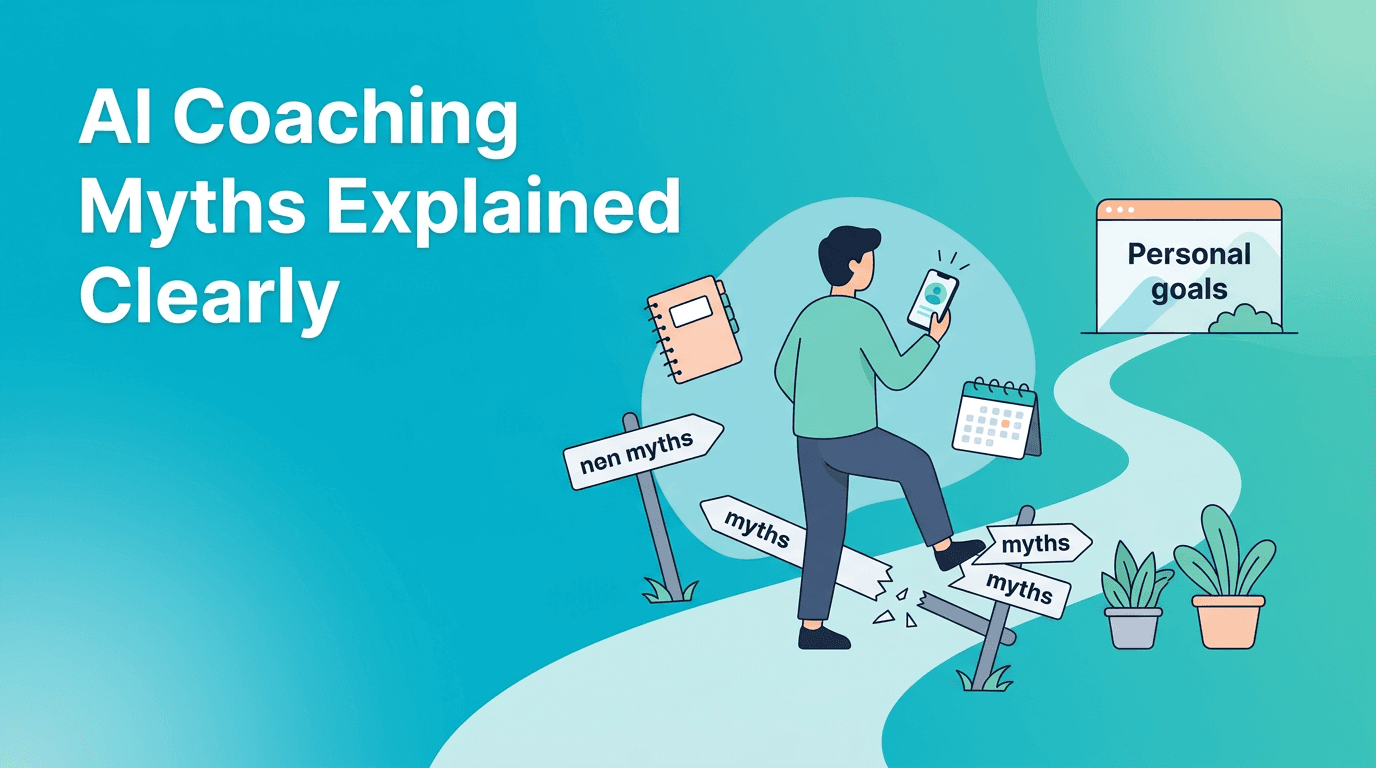
People often compare coaching options through extremes. AI is described as either a miracle or a cold robot. Human coaching is framed as either transformative or too expensive to matter. In reality, most people benefit when they match the coaching format to the type of goal, the level of accountability they need, and the budget and time they can sustain.
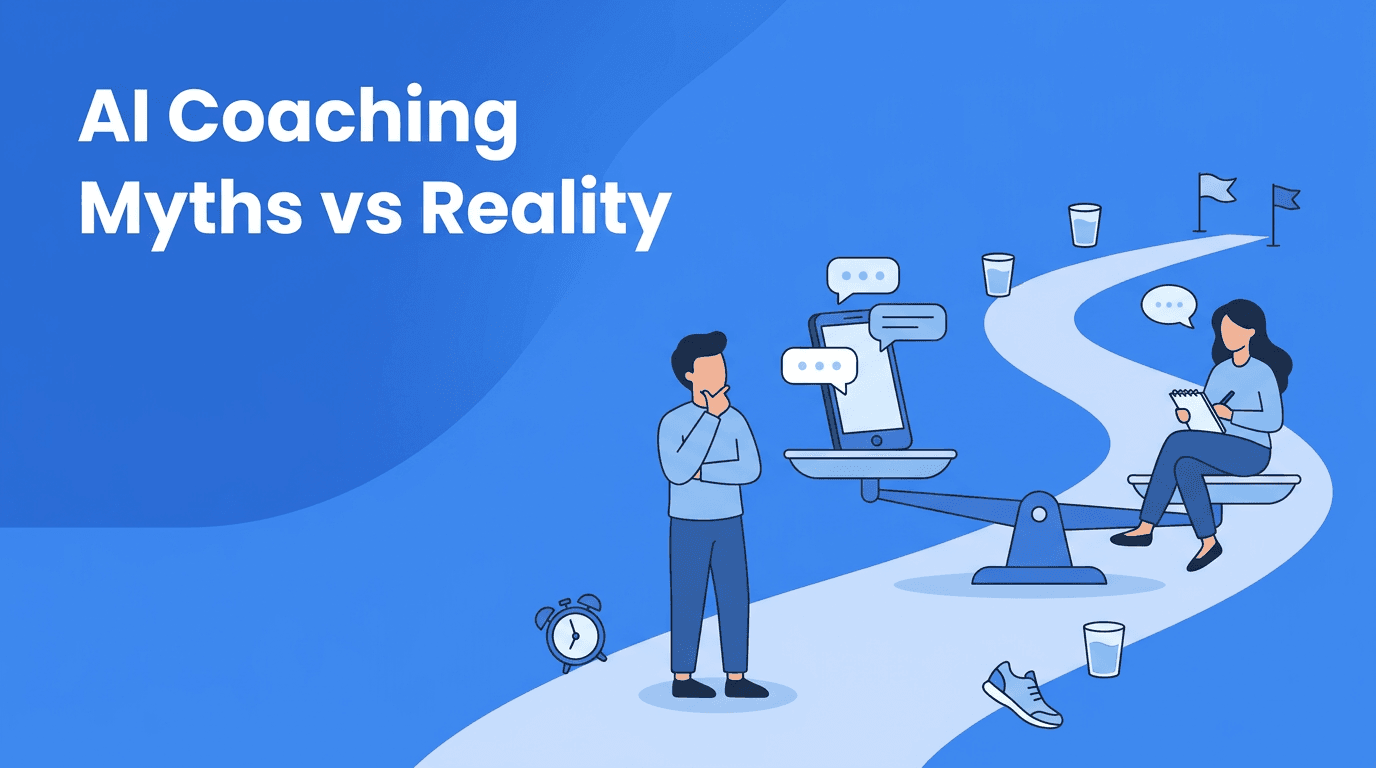
- Myth 1: AI coaching replaces all human support
- Myth 2: Human coaching is always better for every goal
- Myth 3: Online coaching is automatically less personal
- Myth 4: The best coaching option is the one with the most features
- Myth 5: If support is affordable, it must be low quality
"The best coaching is not the most impressive in theory. It is the one you will actually use consistently enough to change your behavior."
A practical coaching comparison by use case
When AI coaching is a strong fit
AI coaching works well for people who need frequent check-ins, fast reflection prompts, and low-friction support between tasks, habits, or decisions. It is especially useful for building routines, reviewing progress, and turning vague goals into small next steps. For beginners, this kind of coaching comparison often reveals that accessibility matters more than prestige.
- Choose AI coaching if you want support at any hour
- Use it when you need short, repeatable coaching conversations
- It can help with productivity, wellness, learning, finances, creativity, and career planning
- It is often a better fit for daily momentum than occasional deep sessions
When human life coaching may be the better choice
Traditional life coaching may be worth considering when your goal involves complex identity shifts, emotionally layered decisions, or high-stakes transitions where nuanced interpersonal feedback matters. A skilled coach can notice tone, challenge blind spots, and hold a broader context over time in ways that many people still value deeply.
- Human coaching may suit leadership transitions and major relationship decisions
- It can be useful when you want a strong interpersonal bond
- It may help if you respond best to live conversation and scheduled accountability
- It usually requires a higher financial and time commitment
Where online coaching fits in
Online coaching sits in the middle for many users. It can include live video sessions, voice notes, messaging, or structured programs. In a realistic coaching comparison, online formats are not one thing. They vary widely in depth, responsiveness, and cost. That is why it is important to compare delivery style, not just the label.
How to judge AI vs human coach options fairly
The phrase AI vs human coach sounds simple, but the real comparison is more specific. Are you comparing a premium coach with years of experience to an entry-level app? Or comparing a rarely used human coach to a tool you will open every day? A fair evaluation should focus on outcomes such as consistency, clarity, emotional safety, and follow-through.
- Ask how often you realistically want support
- Measure whether the format helps you take action within 24 hours
- Check whether the coaching style matches your communication preferences
- Consider total cost over three to six months, not just one session
- Look for tools or coaches that help you track progress, not just talk about it
Want a low-pressure way to test AI coaching?
Haply is an AI life coaching app on iOS and Android with specialized coaches for productivity, wellness, career, learning, finance, creativity, and relationships. It also includes habit tracking, a Today Dashboard, and practical mini-apps like Focus Timer and Task Planner.
Try Haply FreeWhat people often overlook in a life coaching decision
Many people choose support based on inspiration instead of usability. But life coaching only creates value when it fits your actual routine. If you travel often, need help late at night, or prefer writing before talking, app-based coaching may outperform a more traditional setup simply because it is easier to use when motivation dips.
Questions to ask before you choose
- What is my goal? Habit change, clarity, confidence, planning, or emotional support
- How often do I want contact? Daily, weekly, or only when stuck
- What is my budget? Can I sustain this without pressure
- What format helps me open up? Chat, voice, video, or in-person conversation
- Do I need tools too? Reminders, trackers, planners, breathing exercises, or journaling prompts
For example, someone trying to improve consistency at work may benefit more from an AI tool with reminders, streaks, and a task planner than from a monthly conversation alone. Someone navigating a major personal crossroads may prefer a human coach for more layered dialogue. The right coaching comparison depends on the job you need coaching to do.
A balanced way to think about the future of coaching
The future is unlikely to be a winner-takes-all battle. Instead, coaching will probably become more layered and personalized. Some people will use AI for daily support and a human coach for deeper sessions. Others will rely mainly on digital coaching because it is more affordable and available. Technology is not making personal development less human. In many cases, it is making reflection and accountability easier to access.
Bottom line: choose the support you will actually use
A good coaching comparison should reduce confusion, not create it. If you want daily structure, fast feedback, and a lower barrier to entry, AI coaching can be highly practical. If you want deep relational support for complex challenges, human coaching may be worth the investment. If you want flexibility, online coaching can offer useful middle-ground options. The best choice is the one that helps you keep showing up.
Frequently Asked Questions
What is the difference between AI coaching and life coaching?
AI coaching usually offers on-demand, chat-based support and structured tools, while life coaching is typically delivered by a human coach through live sessions and personalized conversation.
Is AI vs human coach really an either-or decision?
Not always. Many people benefit from using AI for frequent check-ins and human coaching for deeper discussions or major transitions.
How do I choose between online coaching and an app?
Start with your routine, budget, and preferred communication style. If you want daily support and built-in tools, an app may fit better. If you want live interaction, online coaching may be the stronger option.
Can AI coaching actually help with personal growth?
Yes, especially for reflection, habit building, planning, and accountability. Results depend on how consistently you use the support and whether it matches your goals.