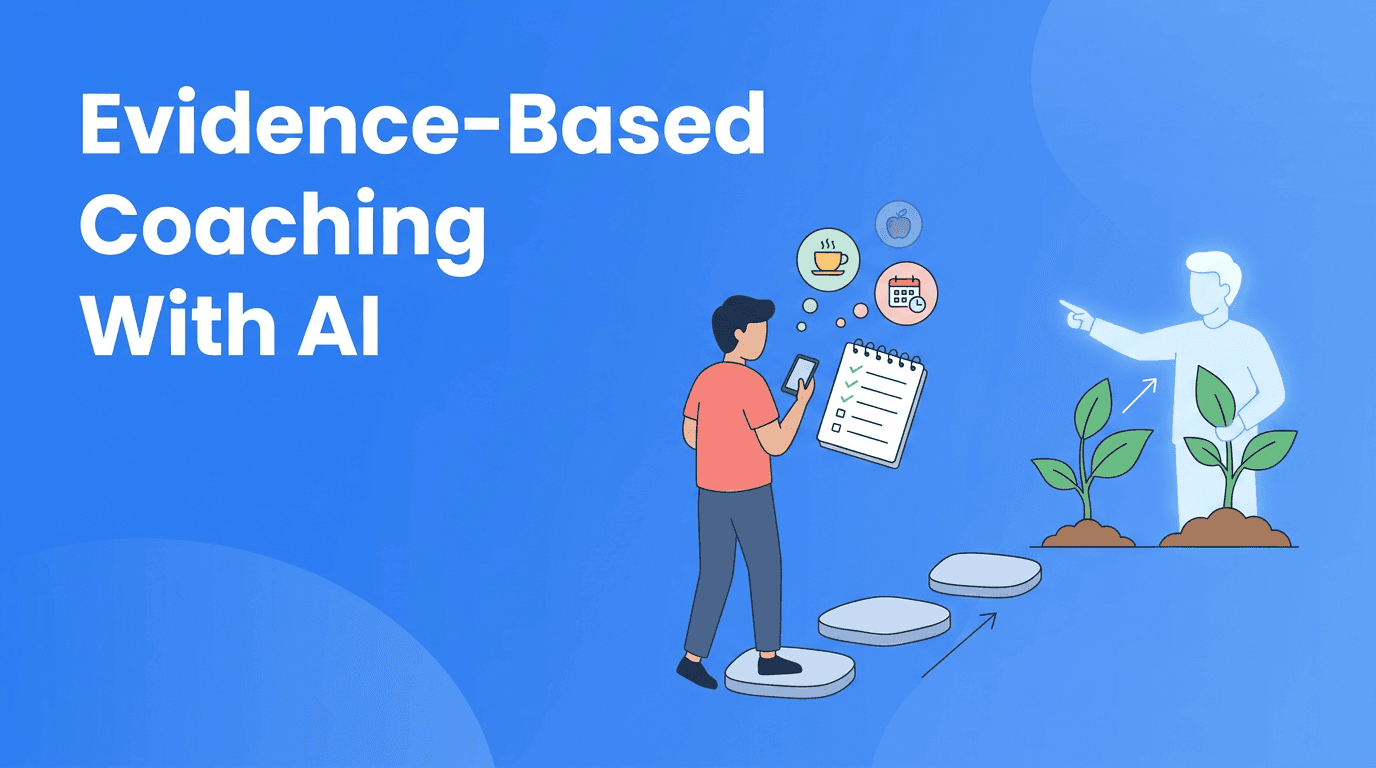
Coaching Success Stories: 5 Turning Points That Led to Personal Transformation
These coaching success stories show how small, guided shifts can spark real personal transformation. See practical patterns behind lasting change and how technology can support it.
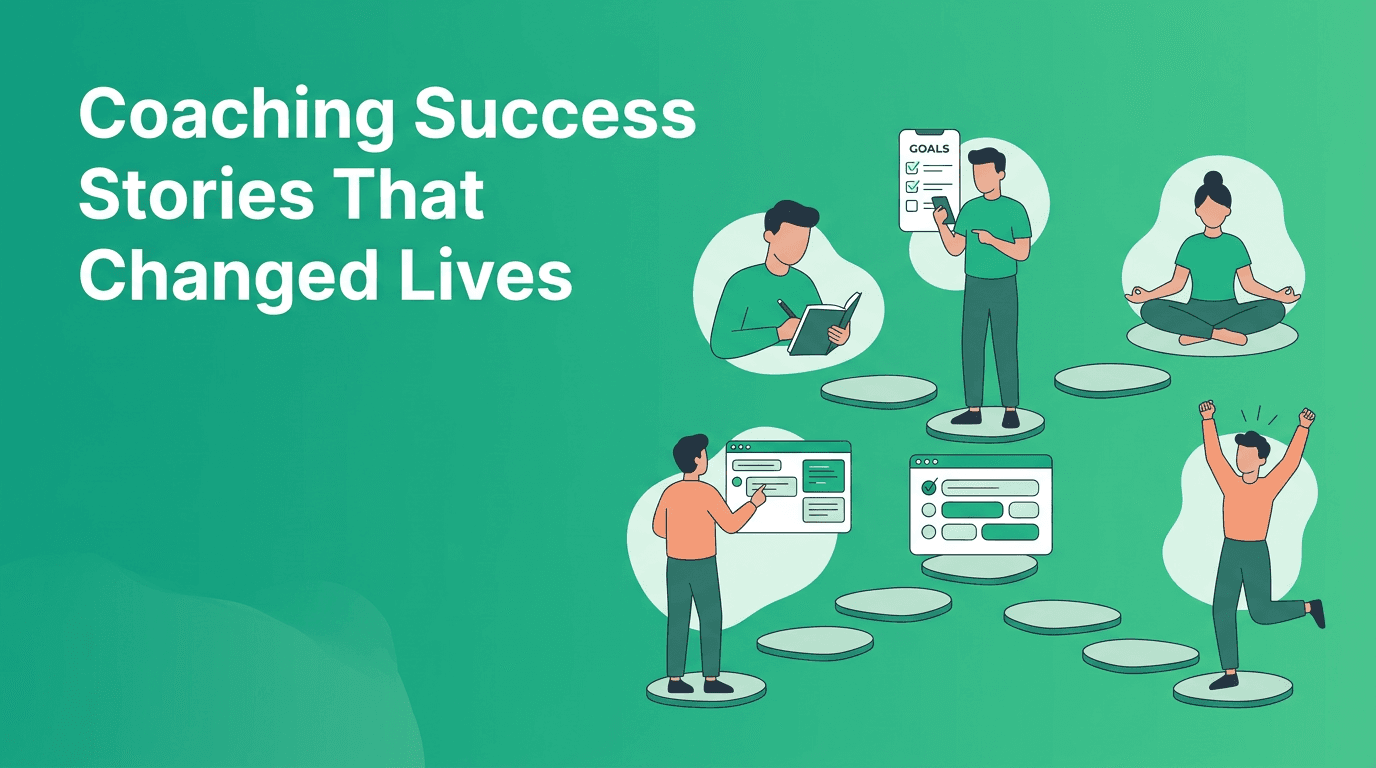

By Haply Team
Haply Editorial Team
The most convincing coaching success stories rarely begin with a dramatic breakthrough. They usually start with something smaller: a missed deadline, a tense conversation, a tired morning, or the quiet feeling that life is being lived on autopilot. What makes these moments powerful is not the problem itself, but the support that helps someone respond differently. In many modern stories, that support now includes technology, and the most interesting AI coaching results often come from simple daily guidance rather than big motivational speeches.
Why small shifts create the biggest personal transformation
When people talk about personal transformation, they often imagine a total reinvention. In reality, change tends to look more like repetition with better feedback. A person notices a pattern, tests a new behavior, reflects on the outcome, and repeats what works. Coaching helps by making that loop visible. Technology-powered coaching adds one more advantage: it can show up consistently, even on the ordinary days when motivation is low.
"People do not rise to the level of their goals. They fall to the level of their systems." - James Clear
That is why the best coaching stories are not really about inspiration alone. They are about systems, prompts, reflection, and accountability. Below are five realistic scenarios that show how guided support can move someone from friction to momentum.
1. The overwhelmed professional who stopped confusing busy with progress
Maya was doing well on paper. She had a growing career, a packed calendar, and a constant sense that she should be doing more. Her problem was not laziness. It was fragmented attention. Every day felt full, but very little felt finished.
What changed
Instead of chasing a perfect productivity system, Maya began using short coaching check-ins to identify her top priority each morning and review one lesson each evening. With an app like Haply, this could happen through a chat-based coaching session, a Today Dashboard overview, and a Focus Timer that turned intention into action.
- She reduced her daily must-do list from 12 tasks to 3 meaningful ones
- She started measuring completed priorities instead of hours worked
- She used reminders and streaks to protect one uninterrupted work block each day
- She reflected weekly on what created energy and what created noise
After six weeks, the biggest win was not just improved output. It was a calmer sense of control. This is one of the most relatable coaching success stories because the external life may look similar, yet the internal experience changes dramatically.
2. The new parent who rebuilt wellness through tiny repeatable actions
Daniel did not need a grand wellness plan. He needed a realistic one. Between work and parenting, he kept abandoning routines because they were too ambitious. He would try to meditate for 20 minutes, exercise for an hour, and sleep perfectly, then quit by Thursday.
What changed
Coaching helped him lower the bar in a smart way. He replaced intensity with consistency. A two-minute breathing exercise, a ten-minute walk, and a simple bedtime prompt became his new baseline. Technology made this easier because it removed decision fatigue. Instead of asking, "What should I do today?" he just followed the next small step.
- A Meditation/Breathe mini-app helped him regulate stress quickly
- Daily reminders supported one non-negotiable wellness action
- Weekly chat reflections turned missed days into data, not guilt
- A visible streak gave him proof that small effort still counts
His personal transformation showed up in subtle ways first. He became less reactive, slept better, and stopped treating one bad day as failure. Months later, those tiny actions had become a sustainable routine.
3. The career switcher who needed clarity more than confidence
Nina assumed her problem was confidence. She wanted to move into a more creative role but kept delaying applications, courses, and conversations. In coaching, she discovered the real issue was unclear direction. She was trying to be brave before she had become specific.
What changed
Her coaching process focused on narrowing options. She listed what kind of work gave her energy, what skills she already had, and what experiments she could run in the next 30 days. Instead of asking, "What is my dream job?" she asked, "What is the next test?" That shift created movement.
An AI-supported coaching tool can be especially helpful here because it can guide structured reflection on demand. In Haply, someone in Nina's position might use a Career coach, the Task Planner, and an Idea Board to turn vague hopes into visible next steps.
- She scheduled two informational interviews
- She completed one small portfolio project
- She tracked fears that came up before each career action
- She reviewed progress weekly instead of waiting for certainty
This is where many encouraging AI coaching results appear. Not as instant certainty, but as reduced avoidance. Once Nina had evidence that action was possible, confidence followed.
4. The couple communicator who learned to pause before reacting
Some coaching changes are deeply personal. Alex wanted to improve communication in a close relationship, but every difficult conversation turned defensive within minutes. The issue was not a lack of care. It was a lack of space between feeling and reacting.
What changed
Through coaching, Alex built a simple process: notice the trigger, pause, name the feeling, choose one calmer response. This sounds basic, but under stress it is hard to do without practice. Technology-supported prompts helped reinforce the pattern before and after difficult conversations.
- He wrote one sentence after tense moments: "What was I protecting?"
- He used short breathing exercises before important talks
- He practiced replacing blame with observation
- He reviewed recurring triggers to spot patterns
The result was not perfection. It was fewer escalations and faster repair. Many coaching success stories look exactly like this: less drama, more awareness, better recovery.
5. The creative thinker who stopped waiting for the perfect mood
Leah loved creative work, but she had built a myth around inspiration. If she did not feel fully ready, she postponed writing, brainstorming, and sharing ideas. Weeks passed in planning mode.
What changed
Her coach introduced a simple rule: create before evaluating. She committed to ten minutes of messy output before any judgment. A digital support system made this easier by prompting sessions, tracking consistency, and celebrating completion rather than perfection.
With Haply, a user like Leah could use the Creativity coach, store rough concepts in the Idea Board, and build momentum through levels and achievements. That combination of reflection and reinforcement matters more than people think.
- She created on a schedule, not based on mood
- She tracked starts rather than polished outcomes
- She used prompts to break through blank-page resistance
- She reviewed what conditions made creative work easier
Her breakthrough was not a single brilliant project. It was becoming someone who starts. That identity shift is one of the clearest forms of personal transformation.
What these coaching success stories have in common
Across different goals, the pattern is surprisingly consistent. People do not change because someone gives them magical advice. They change because coaching helps them see patterns, choose smaller actions, and stay engaged long enough to learn from the process.
- Clarity came before motivation
- Consistency beat intensity
- Reflection turned mistakes into feedback
- Structure reduced overwhelm
- Support made action easier to repeat
This is also why technology-powered coaching is becoming more valuable. It can provide support in the exact moments when insight usually gets lost, during busy mornings, stressful afternoons, and uneven evenings. Instead of waiting for one weekly session, people can access guidance when they actually need it.
Want your own coaching turning point?
Haply is an AI life coaching app for iOS and Android with specialized coaches for productivity, wellness, career, learning, finance, creativity, and relationships. Use chat-based coaching, daily reminders, streaks, and mini-apps to turn insight into action.
Try Haply FreeHow to create your own success story with technology-powered coaching
You do not need a life crisis to benefit from coaching. You just need one area where you are tired of repeating the same pattern. Start there.
- Pick one goal that feels important but manageable
- Define a minimum daily action that counts even on hard days
- Use prompts or journaling to track what helps and what blocks you
- Review progress weekly and look for patterns, not perfection
- Choose a support tool that makes action easier to repeat
The future of coaching will likely belong to approaches that feel both personal and practical. Human insight will always matter, but technology can make guidance more accessible, more consistent, and more responsive to daily life. That is where real transformation often begins, not in a dramatic breakthrough, but in one better decision repeated many times.
Frequently Asked Questions
What are real coaching success stories usually about?
Most real coaching success stories are about solving everyday patterns like procrastination, stress, unclear goals, or communication problems. The biggest changes often come from small repeated actions, not dramatic life overhauls.
Can AI coaching lead to personal transformation?
Yes, AI coaching can support personal transformation by offering consistent prompts, reflection, accountability, and habit support. It works especially well for daily follow-through and self-awareness.
What kind of AI coaching results should I expect?
The most common AI coaching results are better consistency, clearer decision-making, reduced overwhelm, and stronger habits. Results tend to build gradually through repeated use.
How is technology-powered coaching different from traditional coaching?
Technology-powered coaching adds on-demand support, reminders, tracking, and structured reflection between sessions or even without live sessions. It makes coaching more accessible in everyday moments.
Is Haply a good app for beginners who want coaching support?
Haply is beginner-friendly because it offers goal-based onboarding, chat-based coaching, habit tracking, and mini-apps for different life areas. It helps users start with small actions and build momentum over time.