The Confidence Loop: How Tiny Wins Build Real Self-Trust
The confidence loop is a practical personal growth method that turns small actions into lasting self-trust. Learn how mindset, habits, and self-awareness work together to create real self-improvement.

By Haply Team
Haply Editorial Team
Most people try to build confidence by thinking bigger, planning harder, or waiting to feel ready. But self trust grows differently. It is built when you repeatedly do what you said you would do, even in very small ways. That is where real personal growth starts, and it is one of the most overlooked forms of self-improvement.
If your mindset has been stuck in cycles like "I always fall off" or "I need more motivation first," this article offers a different approach. Instead of chasing dramatic transformation, you will learn how tiny wins create a feedback loop of action, proof, and belief. That loop can strengthen your habits, improve self-awareness, and make confidence feel earned instead of forced.
Why self trust matters more than hype
A lot of advice treats confidence like a mood. But confidence is often a result, not a starting point. When you keep promises to yourself, your brain collects evidence that you are reliable. That evidence becomes self trust, and from there, confidence has something solid to stand on.
Confidence is not built by saying "I can." It is built by proving "I do."
The hidden cost of broken promises to yourself
Every time you set a goal that is too vague, too intense, or too disconnected from your real life, you risk another broken promise. Over time, this can quietly damage your relationship with yourself. You may still want growth, but you stop believing your own plans. That is why sustainable self-improvement begins with rebuilding trust, not raising pressure.
- Broken self-promises often look small, but they can lower motivation over time.
- All-or-nothing thinking makes one missed day feel like total failure.
- Self-awareness helps you notice patterns without turning them into identity labels.
- Tiny habits are easier to repeat, and repetition is what creates proof.
The confidence loop for personal growth
Think of the confidence loop as a simple cycle. You choose one small action, complete it, notice that you completed it, and let that success inform your identity. Then you repeat. This is how habits become part of who you are, not just something you try once in a while.
- Pick one action so small you can do it on low-energy days.
- Complete it consistently instead of doing it perfectly.
- Record the win in a note, tracker, or journal.
- Reflect on the pattern so your mindset shifts from doubt to evidence.
- Increase slowly only after the action feels natural.
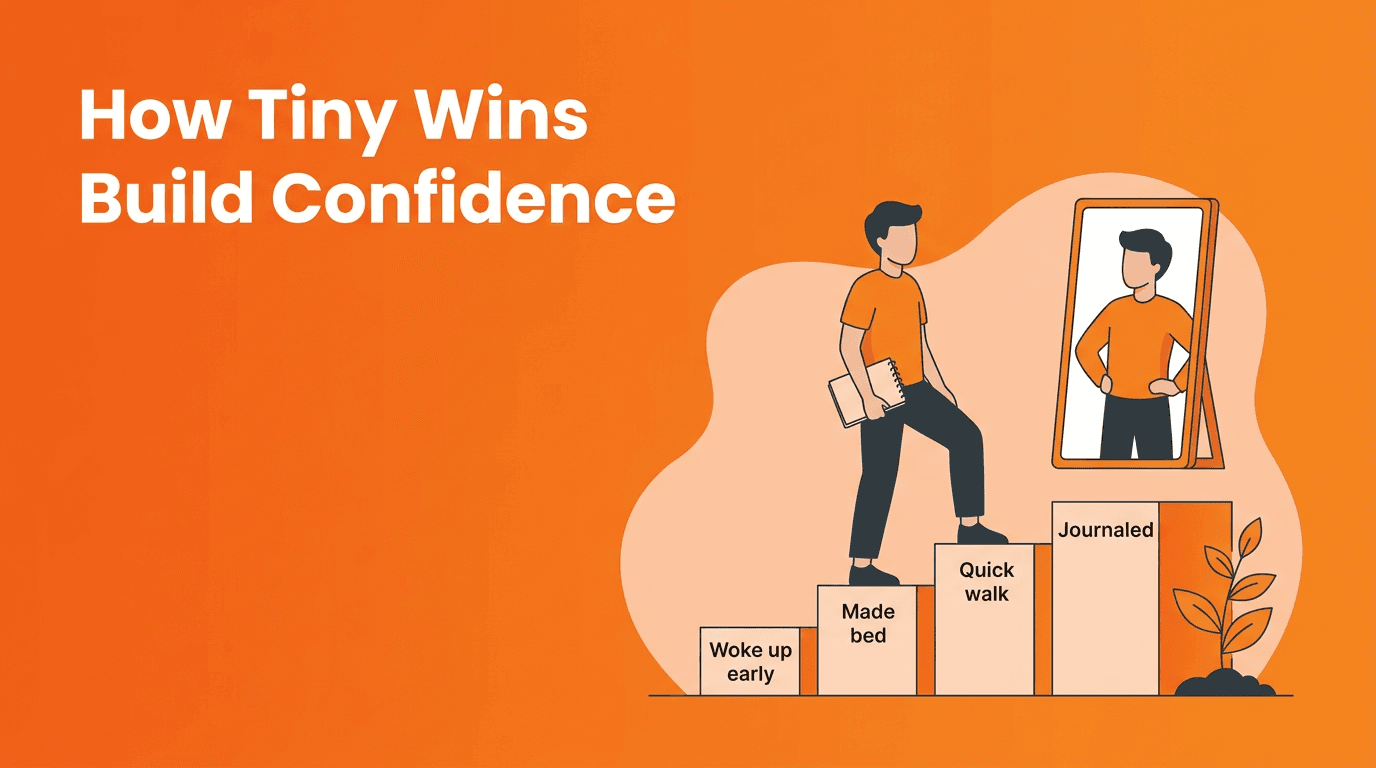
Examples of tiny wins that build real confidence
- Write one sentence in a journal each night.
- Do five minutes of focused work before checking social media.
- Read two pages of a book to support learning and self-growth.
- Take a ten-minute walk after lunch.
- Practice one small act of courage, like sending the message you have been avoiding.
How mindset and self-awareness keep the loop going
The action itself matters, but the interpretation matters too. If you complete a small habit and dismiss it as "not enough," you interrupt the loop. If you notice it as proof of consistency, you strengthen it. This is where mindset and self-awareness become powerful tools for personal growth.
Try asking yourself two questions at the end of the day: "What did I follow through on today?" and "What made that easier?" These questions train your attention toward progress and patterns. Over time, they help you design better systems instead of relying on willpower alone.
Want support building better habits?
Haply is an AI life coaching app for iOS and Android that helps you turn small actions into lasting momentum. Use personalized coaching, habit streaks, reminders, and tools like the Focus Timer and Task Planner to strengthen self-trust day by day.
Try Haply FreeA practical 7-day self trust reset
If you want to feel more grounded this week, do not overhaul your life. Run a short experiment. Choose one habit that supports your current season, not your fantasy life. The goal is not intensity. The goal is proof.
- Day 1: Choose one tiny habit and make it easy to start.
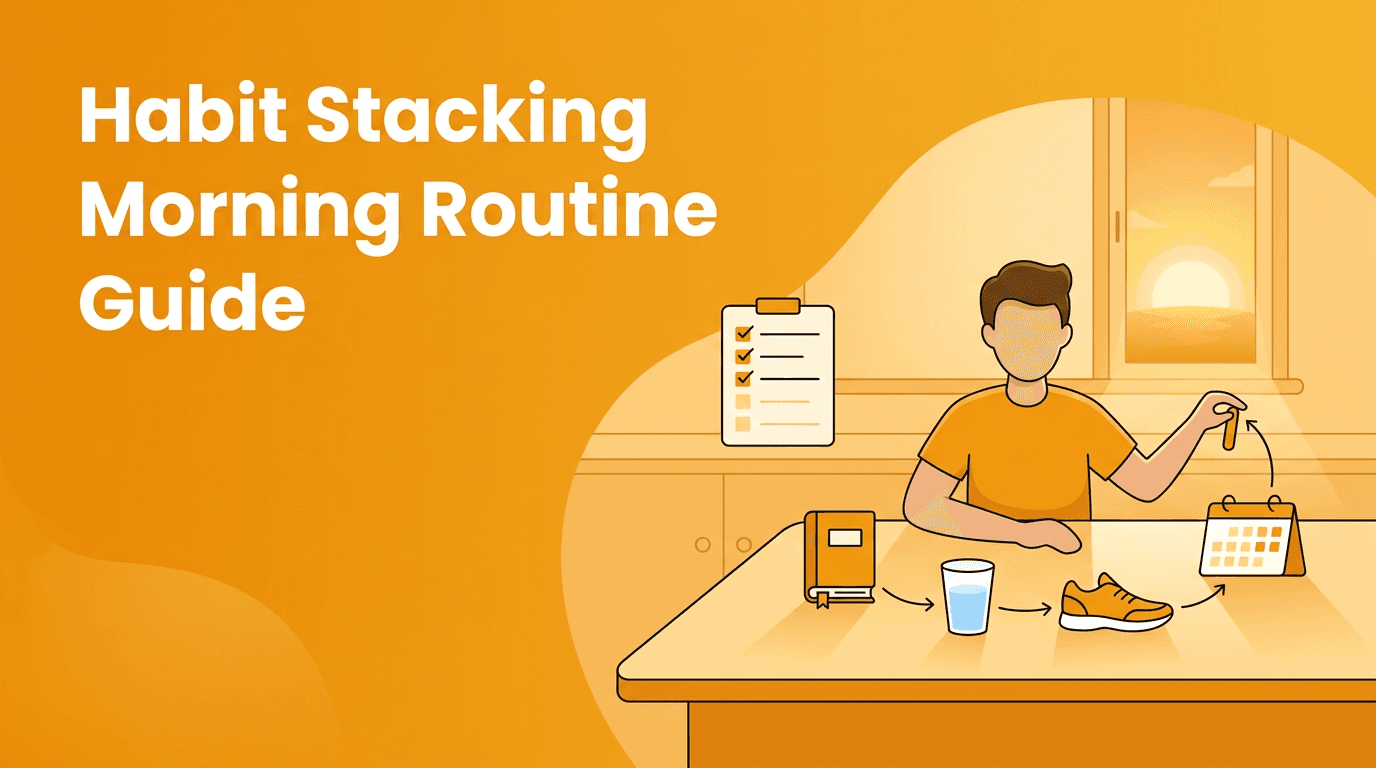
- Day 2: Attach it to an existing routine, like coffee or brushing your teeth.
- Day 3: Track it visibly so your progress is easy to see.
- Day 4: Notice resistance without judging it.
- Day 5: Celebrate consistency, not size.
- Day 6: Reflect on how the habit affects your confidence.
- Day 7: Decide whether to keep, simplify, or slightly expand it.
This kind of reset works because it lowers friction and raises credibility. You are no longer trying to become a different person overnight. You are practicing being someone who follows through. That identity shift is a major part of lasting self-improvement.
When to make your habit smaller, not bigger
Many people quit because they scale too fast. If your new routine feels heavy after three days, that is useful feedback, not failure. Make the habit easier, shorter, or more specific. In personal growth, consistency beats intensity almost every time.
- If you miss two days in a row, reduce the habit size.
- If you avoid starting, remove one step of friction.
- If you feel bored, add meaning, not complexity.
- If you feel guilty, return to facts and rebuild from the smallest repeatable action.
The real goal is a better relationship with yourself
At its best, personal growth is not about becoming impressive. It is about becoming trustworthy to yourself. When your actions and intentions start to match more often, you feel calmer, clearer, and more capable. That is the kind of confidence that lasts.
So if you want more confidence, start smaller than your ego wants. Build self trust one repeatable action at a time. Your future self does not need another dramatic promise. They need evidence that you will show up.
Frequently Asked Questions
How do I build self trust if I always quit habits?
Start with a habit that feels almost too easy and repeat it daily for a week. Small consistency rebuilds credibility faster than ambitious plans.
What is the difference between self trust and confidence?
Self trust is believing you will follow through, while confidence is feeling capable. Confidence often grows after self trust is built.
Can small habits really improve confidence?
Yes. Small habits create repeated proof that you can act consistently, which strengthens self-trust and supports lasting confidence.
How long does it take to build self trust?
It depends on the habit and your history, but many people notice a shift within a week or two of consistent follow-through.