Getting Started With Coaching in the Future of AI: 7 Beginner Trends to Watch
Getting started with coaching feels easier in the future of AI. Explore beginner-friendly coaching trends, practical coaching tips, and smart ways to grow with technology.

By Haply Team
Haply Editorial Team
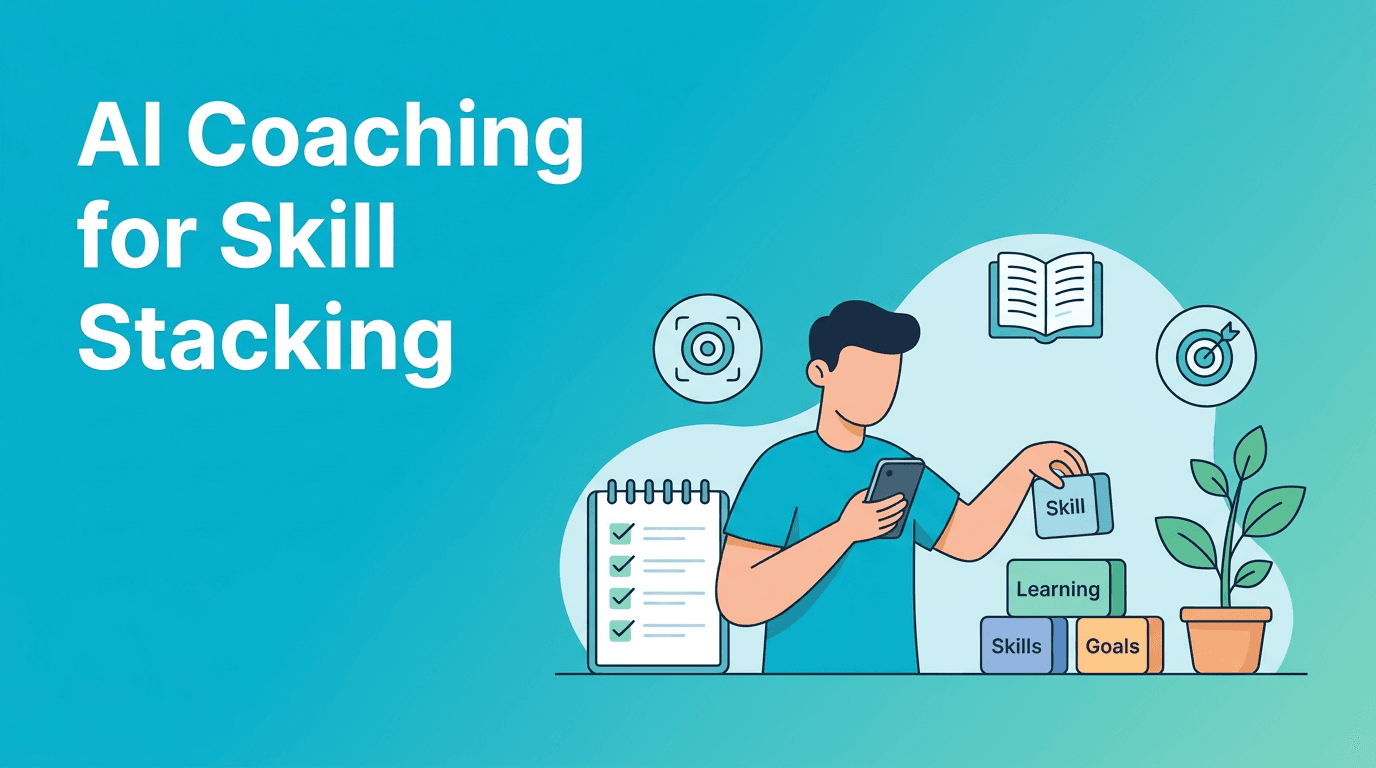
Getting started with coaching used to feel like a big, expensive, slightly mysterious step. Now, the future of AI is changing that. If you are curious about personal growth but do not know where to begin, new coaching trends and simple digital tools can make the first step feel much lighter.
This article takes a beginner-friendly angle: not just what coaching is, but how technology is reshaping the first 30 days of the coaching experience. You will learn what is changing, which tools actually help, and how to use practical coaching tips without getting overwhelmed.
Why getting started with coaching feels different now
In the past, coaching often meant booking sessions, finding the right person, matching schedules, and paying premium rates before you even knew whether coaching fit your life. Today, coaching can begin with a few small actions: answering onboarding questions, setting a goal, tracking a habit, or chatting with an AI guide for five minutes.
- Access is wider - more people can try coaching without a major financial commitment.
- Support is more frequent - instead of one session every few weeks, you can check in daily.
- Goals are more specific - apps can personalize suggestions for productivity, wellness, career, learning, finance, creativity, or relationships.
- Progress is more visible - streaks, reminders, dashboards, and mini-tools make growth easier to notice.
"The best coaching often begins with one small, honest check-in."
7 coaching trends beginners should watch
1. Chat-based coaching is lowering the pressure
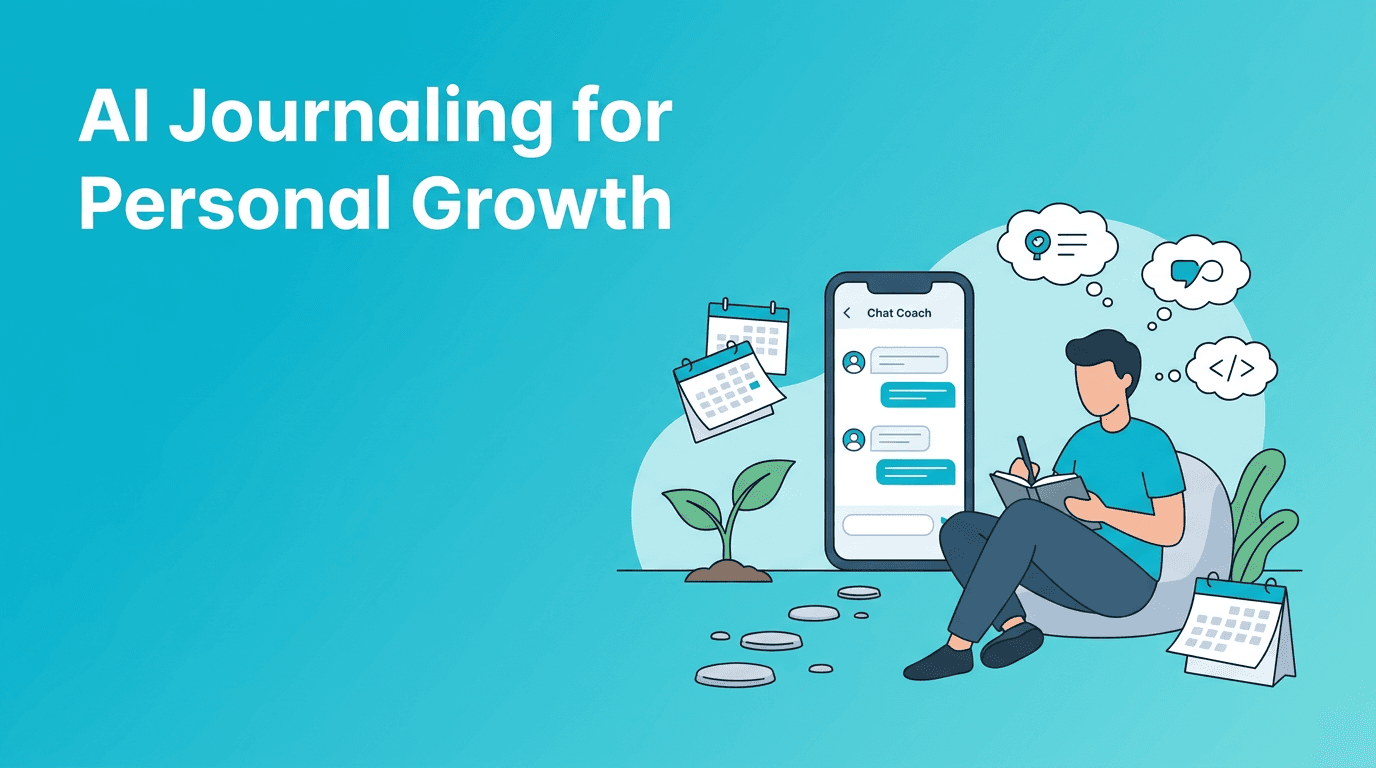
Many beginners hesitate because they think coaching requires perfect self-awareness. It does not. Chat-based tools let you start messy. You can type what you are feeling, explore a goal, or ask for structure when your thoughts are scattered. This is one reason the future of AI matters so much for personal development.
2. Personalized onboarding is replacing generic advice
A major shift in coaching trends is personalization from day one. Instead of giving every user the same motivational checklist, better tools ask about your goals, struggles, and routines first. That makes getting started with coaching feel relevant, not random.
3. Tiny habits are becoming the default coaching method
Beginners do better with small wins than dramatic life overhauls. Technology-powered coaching often breaks goals into daily actions like a 10-minute focus session, a short breathing exercise, one budget check-in, or a simple reflection prompt. These micro-steps build confidence fast.
4. Coaching is expanding beyond career goals
People once associated coaching mostly with executives and workplace performance. Now, coaching supports wellness, learning, relationships, creativity, and money habits too. This broader scope makes getting help feel more human and more practical for everyday life.
5. Daily dashboards are replacing vague motivation
One of the smartest coaching tips for beginners is to reduce friction. A daily dashboard can show your priorities, habit streaks, and next actions in one place. That matters because motivation is unreliable, but visual clarity helps you act.
6. Mini-tools are becoming part of the coaching experience
The best coaching platforms do more than talk. They help you act immediately. A focus timer, task planner, breathing tool, budget tracker, or idea board turns insight into behavior. This blend of reflection and action is a defining part of the future of AI in self-growth.
7. Coaching is becoming more continuous than occasional
Instead of waiting for one big breakthrough, modern coaching supports steady progress. A quick morning check-in, an afternoon reset, and a short evening reflection can create more momentum than a single deep conversation once a month.
How beginners can use AI coaching without feeling overwhelmed
If all this sounds promising but slightly intimidating, keep it simple. You do not need to use every feature or optimize your life overnight. Start with one goal, one habit, and one short check-in routine.
- Choose one focus area first, such as energy, procrastination, confidence, or time management.
- Set a 2-week experiment instead of a huge long-term transformation goal.
- Use one daily prompt like: What would make today feel like progress?
- Track only one or two habits so your routine stays realistic.
- Review your week and look for patterns, not perfection.
Try a beginner-friendly coaching routine with Haply
Haply is an AI life coaching app on iOS and Android with specialized coaches for productivity, wellness, career, learning, finance, creativity, and relationships. You can chat with a coach, track habits, use mini-apps like Focus Timer or Meditation/Breathe, and get a personalized Today Dashboard with a 7-day free trial.
Try Haply FreeA simple 30-day plan for getting started with coaching
Week 1: Build awareness
Notice when you feel focused, stuck, calm, distracted, energized, or drained. The goal is not to fix everything yet. It is to collect useful clues.
Week 2: Pick one behavior to support
Choose a small action tied to your goal. Examples: planning tomorrow tonight, doing a five-minute breathing reset after work, or starting your hardest task with a timer.
Week 3: Add feedback
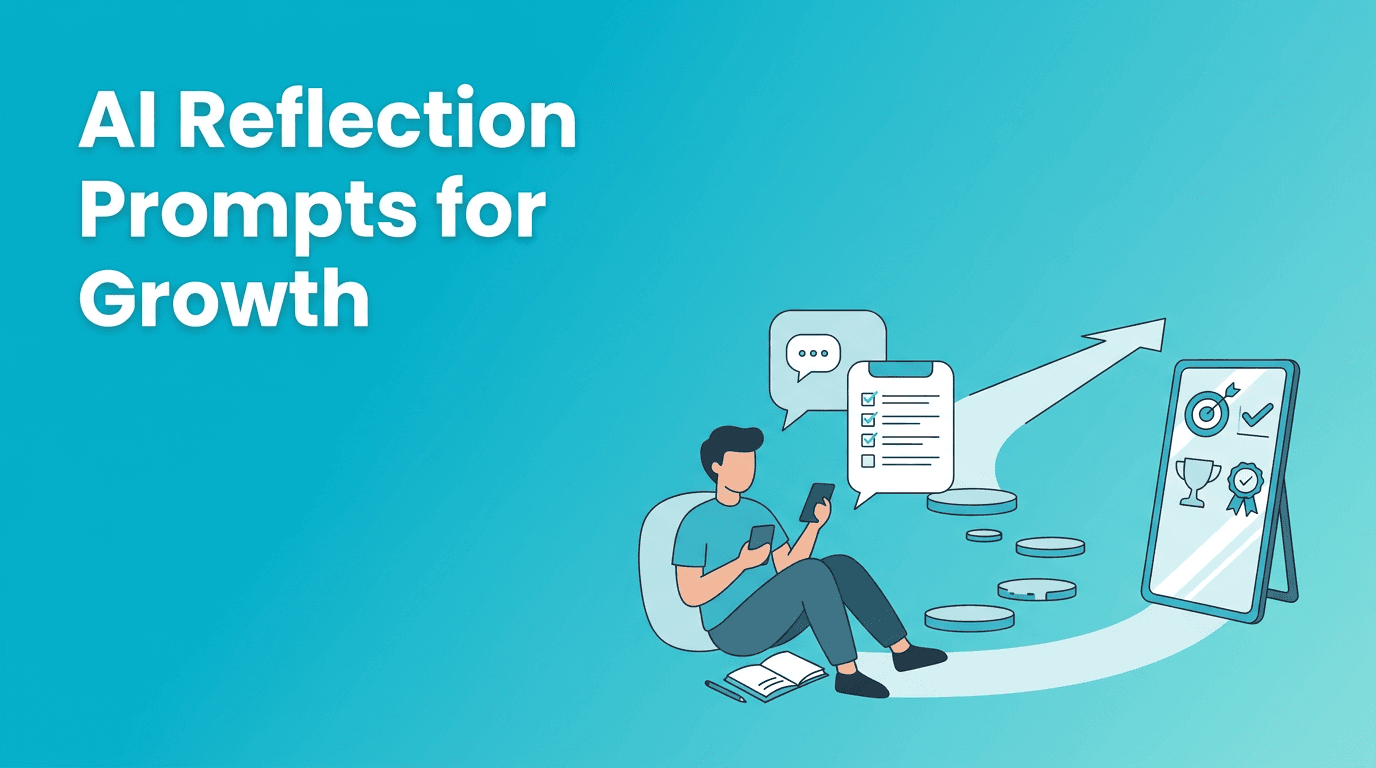
Ask your coaching tool better questions. Try prompts like: Why do I keep avoiding this task?, What is the smallest next step?, or What pattern am I missing? Better prompts often lead to better insights.
Week 4: Reflect and adjust
Review what actually helped. Keep what worked, remove what felt heavy, and refine your next goal. This is where beginners start turning random self-help into a real personal system.
The real future of AI coaching is not replacing humans
A lot of people frame this topic as a competition, but that misses the bigger opportunity. The most useful future may be layered support: AI for daily guidance, reflection, reminders, and momentum, with human support added when deeper nuance is needed.
For beginners, that is good news. You do not need to choose a side. You can use technology to build consistency, self-awareness, and confidence first. Then, if needed, you can bring those insights into conversations with a human coach, therapist, mentor, or manager.
- AI is available when you need a quick check-in.
- Human support is valuable for deep emotional nuance and complex life transitions.
- Together, they can complement each other instead of competing.
Final thought: start smaller than you think
If you are interested in getting started with coaching, the best move is not to wait until you feel perfectly ready. Start with one question, one daily habit, and one tool that makes growth easier to repeat. The most important coaching tips are often the simplest: be specific, be consistent, and let small wins teach you what works.
Frequently Asked Questions
How do I start coaching myself as a beginner?
Start with one clear goal, one small daily habit, and a short weekly reflection. Keep your system simple so you can stay consistent.
Is AI coaching good for beginners?
Yes, AI coaching can be a helpful starting point because it offers low-pressure, chat-based support, reminders, and personalized guidance you can access anytime.
What are the biggest coaching trends right now?
Major coaching trends include chat-based coaching, personalized onboarding, habit tracking, mini wellness tools, and more continuous support between sessions.
What is the future of AI in personal development?
The future of AI in personal development is more personalized, more accessible, and more action-focused. AI tools are likely to support daily growth routines rather than just occasional advice.