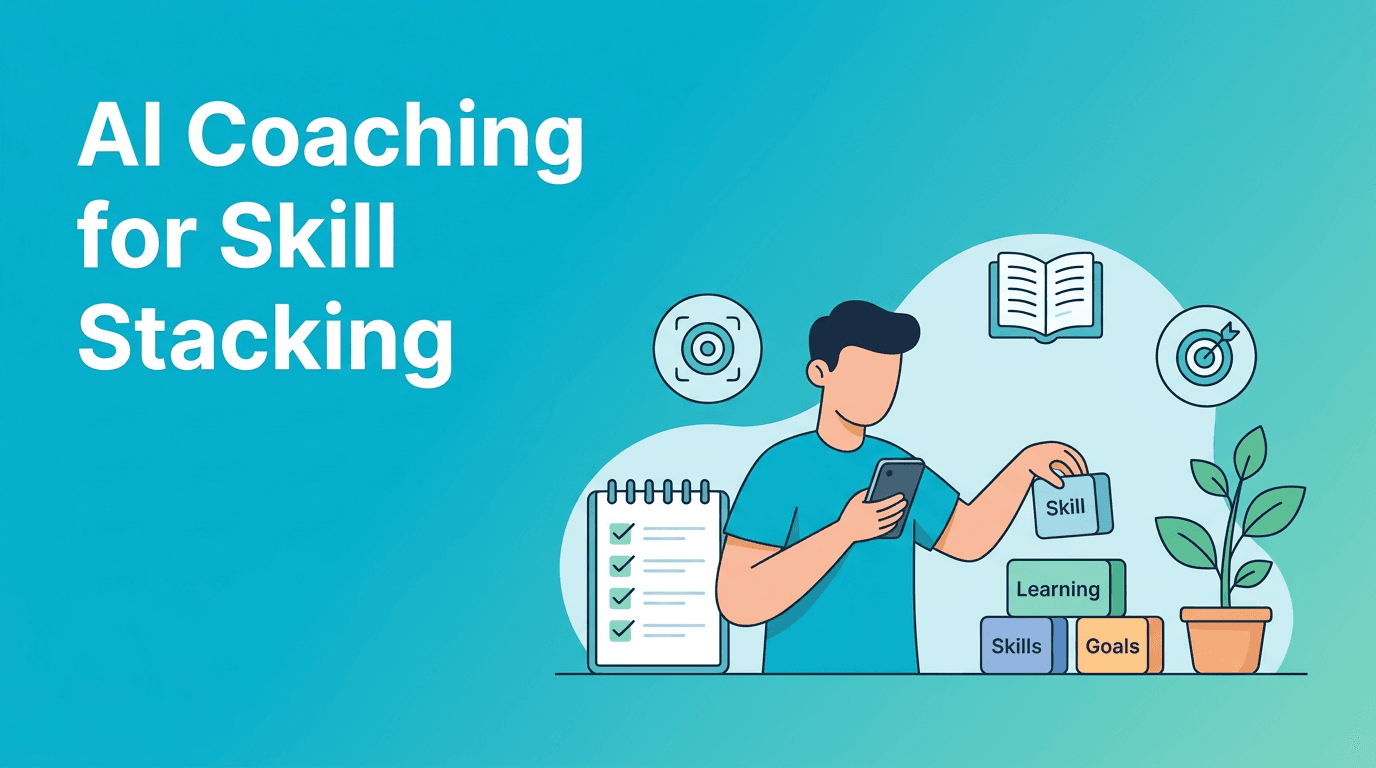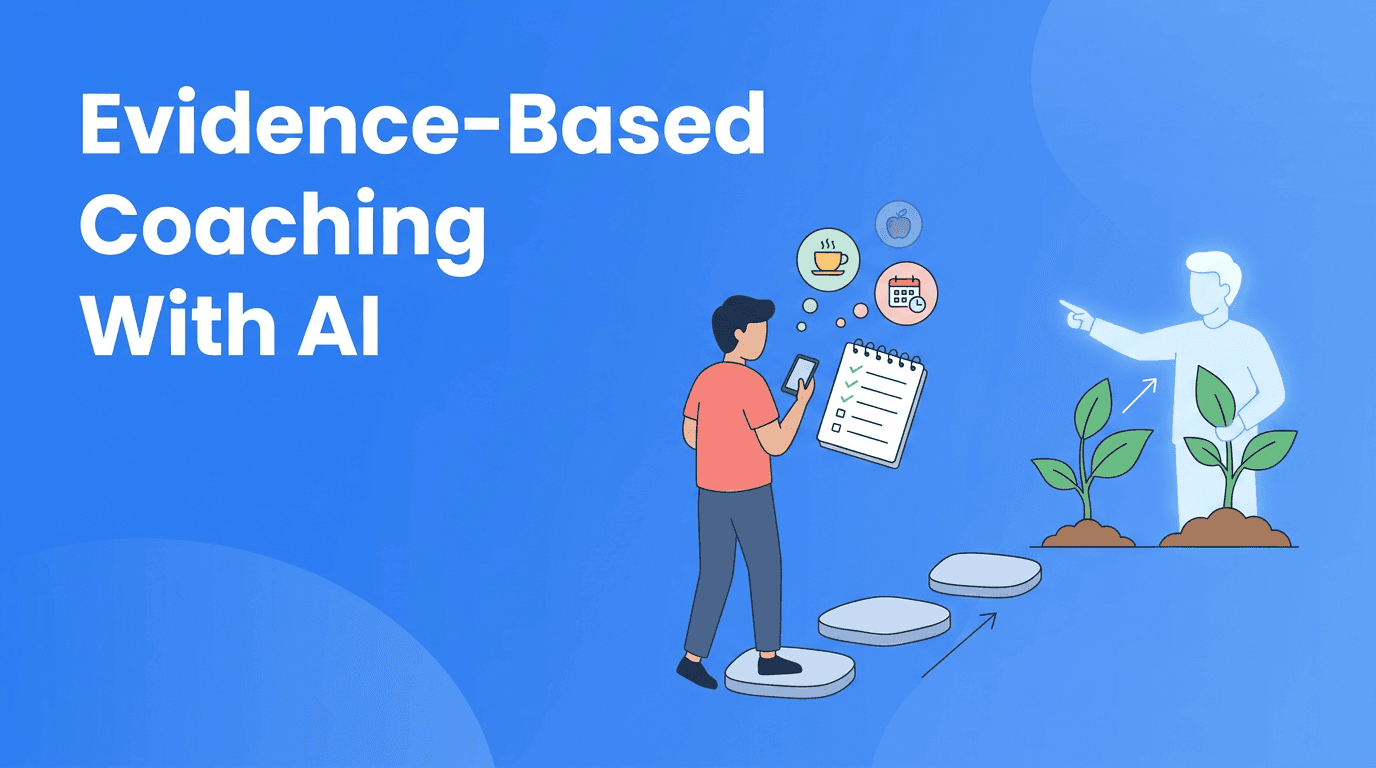
Getting Started With Coaching in the Future of AI: A Beginner's Roadmap
Getting started with coaching can feel overwhelming, especially as the future of AI reshapes personal growth. This beginner-friendly roadmap explains what to expect, how to begin, and which coaching tips actually help.


By Haply Team
Haply Editorial Team
Getting started with coaching does not have to mean booking expensive sessions or knowing exactly what your life plan is. Today, personal growth is becoming more flexible, more practical, and more beginner-friendly thanks to new technology, smart apps, and the future of AI. If you are curious but unsure where to begin, this guide will help you take the first step with confidence.
Why coaching feels more approachable now
A few years ago, coaching often felt like something reserved for executives, athletes, or people already deep into self-improvement. Now the landscape is changing. New coaching trends are making support more available to everyday people who want help with focus, confidence, routines, stress, career decisions, or healthier habits.
- Coaching is more accessible through chat-based tools and mobile apps
- Small, daily guidance feels less intimidating than big, occasional sessions
- Personal development technology can track progress and suggest next steps
- Beginners can explore privately, without pressure or awkwardness
"You do not need a perfect plan to begin. You need a small next step that you are willing to repeat."
What getting started with coaching really means
For beginners, coaching is not about having someone tell you how to live. It is a process that helps you notice patterns, set meaningful goals, and take action. Getting started with coaching usually begins with a simple question: "What part of life do I want to improve right now?" That answer might be productivity, wellness, relationships, learning, finances, or emotional balance.
Start with one life area, not everything
One of the best coaching tips for beginners is to avoid trying to fix your whole life at once. Pick one area where progress would create relief or momentum. For example, better sleep might improve mood and focus. A stronger daily plan might reduce stress and increase confidence.
- Choose one goal for the next 2 to 4 weeks
- Make it specific and visible
- Track one or two behaviors, not ten
- Review progress weekly, not obsessively
Want a simple way to begin?
Haply is an AI life coaching app for iOS and Android that helps beginners turn goals into daily action. You can chat with specialized coaches for productivity, wellness, career, learning, finance, creativity, and relationships, then use tools like the Focus Timer, Task Planner, Meditation, Sleep Stories, and habit tracking to stay consistent.
Try Haply FreeHow the future of AI changes the coaching experience
The future of AI is not just about faster answers. In coaching, it is about making guidance more personalized, timely, and usable in real life. Instead of waiting until a weekly session to reflect, people can check in the moment they feel stuck, distracted, discouraged, or unmotivated.
What AI can do well for beginners
- Offer instant reflection prompts when you need clarity
- Help break big goals into tiny next actions
- Spot patterns in habits, mood, or routines over time
- Provide judgment-free support for shy or hesitant users
- Make consistency easier with reminders, streaks, dashboards, and mini-tools
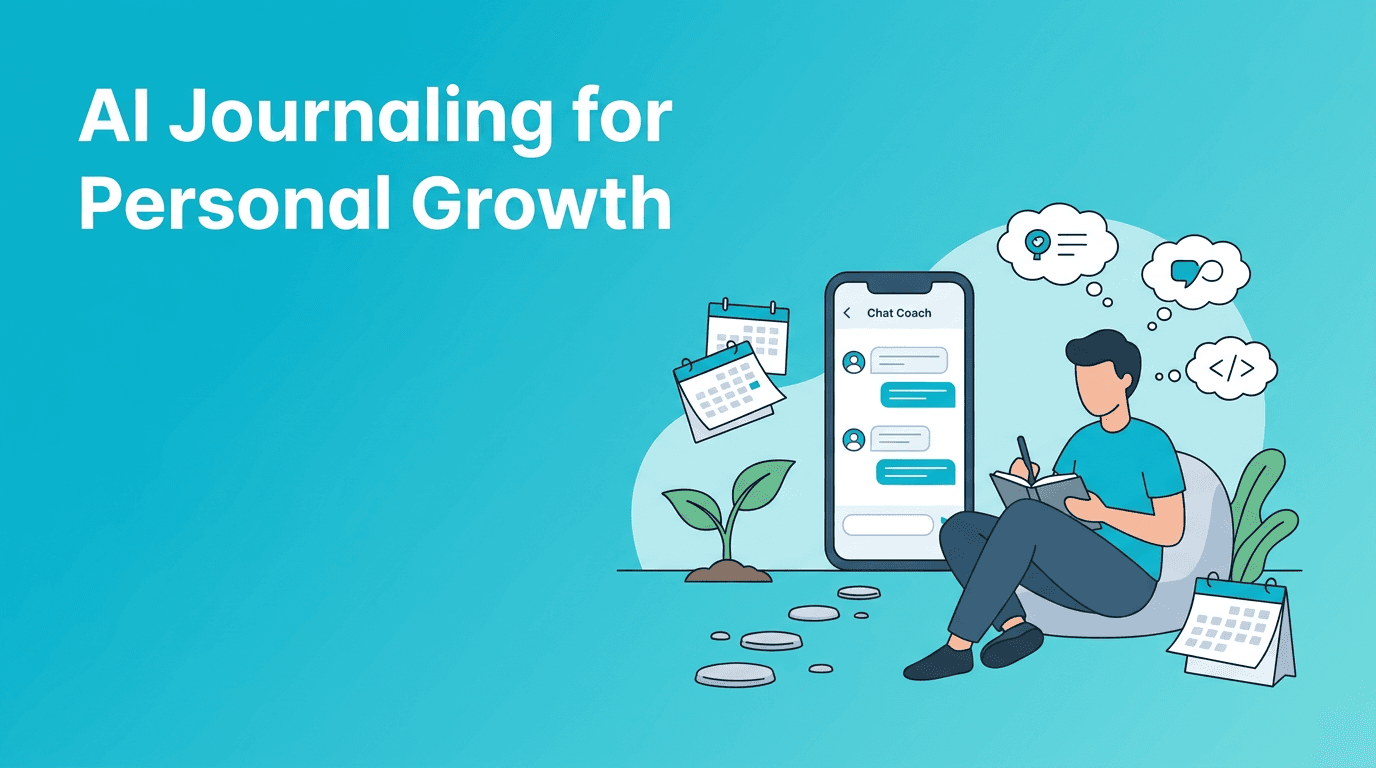
This is why many current coaching trends focus on ongoing support rather than one-time inspiration. The most useful systems blend reflection with action. In practice, that means journaling, planning, tracking, and encouragement all working together.
A beginner roadmap for technology-powered personal development
1. Define your starting point
Write down what feels hardest right now. Be honest and simple. "I procrastinate after work." "I feel scattered in the morning." "I want to stop avoiding money decisions." Clear starting points make getting started with coaching easier because they create direction.
2. Choose support that fits your style
Some people love talking things out with a human. Others prefer private, chat-based reflection first. A tool like Haply can be useful if you want low-pressure support, personalized onboarding, and a daily dashboard that keeps your goal visible.
3. Build one repeatable routine
The strongest coaching tips are often the simplest. Pick a routine you can actually repeat. Examples include a 5-minute morning plan, a nightly reflection, one budget check every Friday, or a short breathing practice before stressful meetings.
4. Measure progress in small wins
Do not wait for a dramatic transformation. Notice smaller shifts like starting tasks earlier, sleeping more regularly, feeling calmer, or following through three days in a row. Progress becomes motivating when it feels visible.
Common myths that stop people before they start
- Myth: Coaching is only for people with big problems. Reality: It is often most useful for everyday improvement and decision-making.
- Myth: Technology makes coaching cold. Reality: Good tools can make support more responsive, structured, and easier to access.
- Myth: You need to be highly motivated first. Reality: Good coaching helps create motivation through momentum.
- Myth: If progress is slow, coaching is not working. Reality: Sustainable change usually starts with small repeated actions.
What smart coaching trends beginners should watch
As the future of AI develops, coaching will likely become more integrated into daily life. Instead of being a separate self-help activity, it will quietly support routines, decisions, and emotional awareness throughout the day.
- More goal-based onboarding that adapts support from day one
- Better personalization across areas like wellness, learning, career, and finance
- More interactive tools that turn advice into action
- Stronger progress systems with levels, achievements, and behavior insights
- A mix of AI support and human support depending on the user's needs
Your first week of coaching, made simple
If you want a practical way to begin, keep your first week small. Day 1, choose one goal. Day 2, identify one obstacle. Day 3, create one tiny habit. Day 4, reflect on what got in the way. Day 5, adjust. Day 6, repeat the habit. Day 7, review what felt easier. That is enough to begin building momentum.
The best part of modern coaching is that you no longer need to do everything alone. Whether you start with a notebook, a human coach, or an app like Haply, the real win is creating a system that helps you keep going. Getting started with coaching is less about finding the perfect method and more about choosing a helpful one you will actually use.
Frequently Asked Questions
How do I start coaching myself as a beginner?
Start with one clear goal, one small habit, and a short weekly review. Keep the process simple so you can stay consistent.
What is the future of AI in coaching?
The future of AI in coaching is more personalized, on-demand support that helps people reflect, plan, and build habits in daily life.
Are coaching apps effective for personal growth?
They can be effective when they combine reflection, goal tracking, reminders, and practical action steps. Consistent use matters more than complexity.
What are the best coaching tips for beginners?
Focus on one life area, choose tiny actions, track small wins, and review progress weekly. Avoid trying to change everything at once.