Habit Stacking for a Better Daily Routine: A Practical Personal Development Guide
Habit stacking can transform your daily routine into a simple system for personal development. Learn how to build self-belief, support behavior change, and grow with less friction.

By Haply Team
Haply Editorial Team
Habit stacking is one of the easiest ways to make personal development feel realistic instead of overwhelming. If you have ever wanted a better daily routine but struggled to stay consistent, this method helps you attach new actions to habits you already do, making behavior change simpler and more sustainable.
Why habit stacking works so well
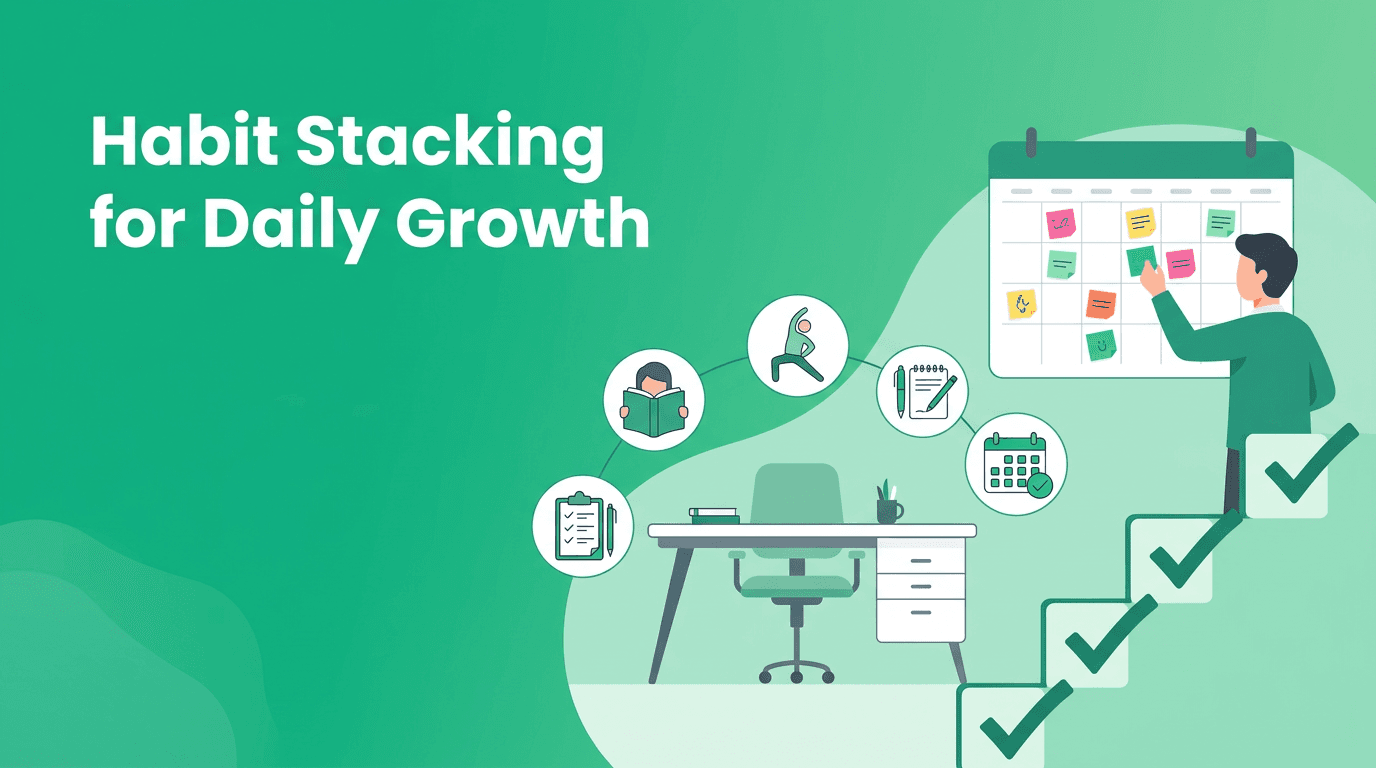
Most people fail at new habits because they rely on motivation alone. Motivation changes from day to day, especially when you are balancing classes, deadlines, work, and social life. Habit stacking works because it uses existing patterns. Instead of creating a brand-new routine from scratch, you place a small action after something automatic, like brushing your teeth, making coffee, or opening your laptop.
"You do not rise to the level of your goals. You fall to the level of your systems."
The psychology behind small wins
Every time you complete a tiny action, your brain gets evidence that you can follow through. That matters for self-belief. A strong growth mindset is not built only by positive thinking. It grows when you repeatedly prove to yourself that progress is possible. Small wins create momentum, and momentum makes bigger goals feel less intimidating.
- After I pour my morning coffee, I will read one page of a book.
- After I sit at my desk, I will write one priority for the day.
- After I brush my teeth at night, I will do two minutes of stretching.
- After I close my laptop, I will note one win from the day.
How to build a habit stacking daily routine
Step 1: Start with one anchor habit
Choose something you already do every day without much thought. This is your anchor. Good anchors are stable and specific, such as making breakfast, commuting, or plugging in your phone before bed. The more reliable the anchor, the easier the new habit will stick.
Step 2: Make the new action tiny
The biggest mistake in behavior change is going too big too soon. If your stack is too ambitious, you will avoid it. Keep the new action so easy that it feels almost impossible to skip. Think one sentence of journaling, one deep breath, one push-up, or one minute of planning.
Step 3: Write the stack in a clear formula
Use this sentence: "After I [current habit], I will [new small habit]." This removes vagueness and turns intention into action. Clear cues reduce decision fatigue, which is one reason habit stacking works so well in a busy daily routine.
Step 4: Track proof, not perfection
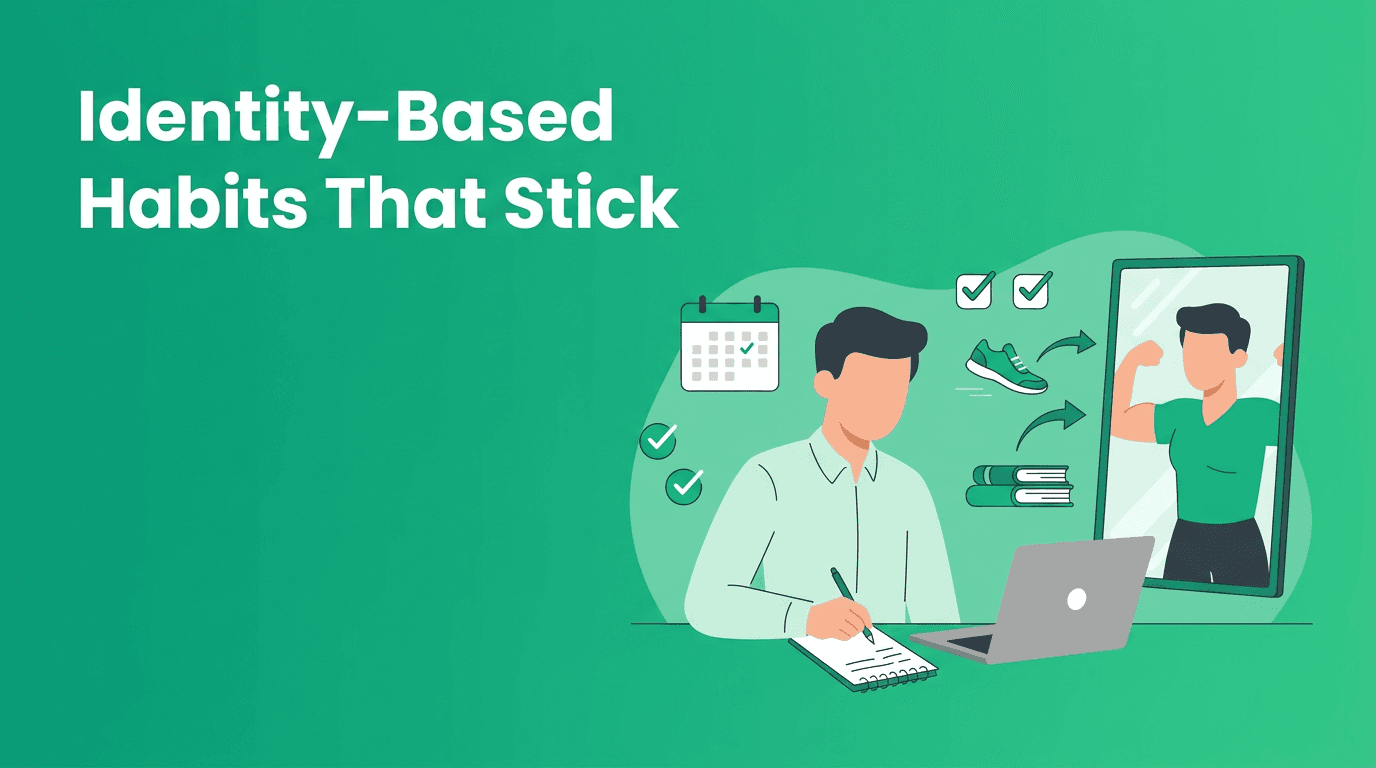
If you miss a day, do not label yourself inconsistent. That mindset kills progress. Instead, collect proof that you are becoming someone who shows up. This is where personal development becomes identity-based. You are not trying to be perfect. You are training reliability.
Make your habit stacks easier with Haply
Use Haply, the AI life coaching app for iOS and Android, to turn small actions into real progress. Its habit tracker, daily reminders, Today Dashboard, and personalized coaching can help you stay consistent without overthinking.
Try Haply FreeThree habit stacks that strengthen self-belief
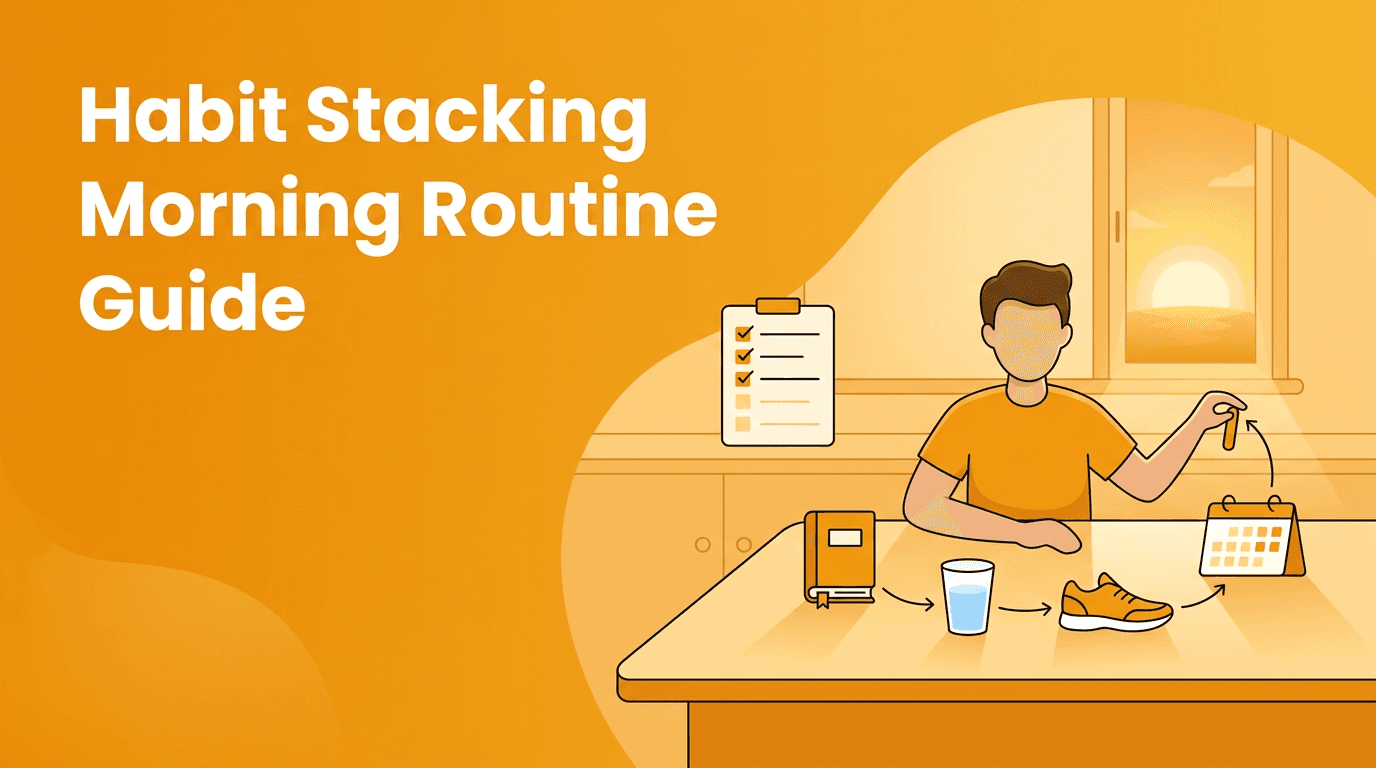
1. The morning clarity stack
- After I make my bed, I will drink a glass of water.
- After I drink water, I will write my top task.
- After I write my top task, I will take one deep breath before checking messages.
This stack creates an intentional start to the day. It supports energy, focus, and self-trust because you begin with actions you control.
2. The study or work focus stack
- After I open my laptop, I will set a 25-minute focus timer.
- After the timer starts, I will put my phone out of reach.
- After the session ends, I will write one sentence about what I completed.
This is perfect for students and young professionals who want visible progress. In Haply, tools like the Focus Timer and Task Planner can make this stack easier to repeat.
3. The evening reset stack
- After I plug in my phone, I will prepare tomorrow's clothes or bag.
- After I prepare my things, I will write one thing I learned today.
- After I finish writing, I will do two minutes of slow breathing.
An evening stack helps close the day with intention. It supports recovery, learning, and a calmer mind, all of which reinforce a healthy growth mindset.
Common habit stacking mistakes
- Stacking too many habits at once. Start with one stack, not a total life makeover.
- Choosing weak anchors. If the first habit is inconsistent, the new one will be too.
- Making the new habit too hard. Tiny actions win because they lower resistance.
- Expecting instant transformation. Real behavior change usually looks boring before it looks impressive.
- Using shame after missed days. Progress grows faster when you respond with curiosity instead of criticism.
How habit stacking supports long-term personal development
The real power of habit stacking is not the habit itself. It is the identity shift that follows. When you keep promises to yourself in small ways, self-belief grows. When self-belief grows, you attempt harder things. Over time, your daily routine becomes a quiet engine for confidence, discipline, and lasting personal development.
Frequently Asked Questions
What is habit stacking in simple terms?
Habit stacking means adding a new small habit right after a habit you already do consistently. It uses existing routines as triggers, making new habits easier to remember.
How long does habit stacking take to work?
Many people notice better consistency within days because the cue is clear and simple. Lasting behavior change usually comes from repeating small actions over weeks and months.
Can habit stacking improve self-belief?
Yes. Each completed habit is evidence that you can follow through, and that repeated proof strengthens self-belief over time.
What are the best habits to stack into a daily routine?
The best habits are tiny, useful, and easy to repeat, such as drinking water, planning one task, reading one page, stretching, or writing one reflection.