Micro Business Ideas for Beginners: A Low-Risk Plan to Build Income After Work
Explore micro business ideas for beginners with a low-risk plan to start small, improve financial literacy, practice budgeting, and create extra income after work.

By Haply Team
Haply Editorial Team
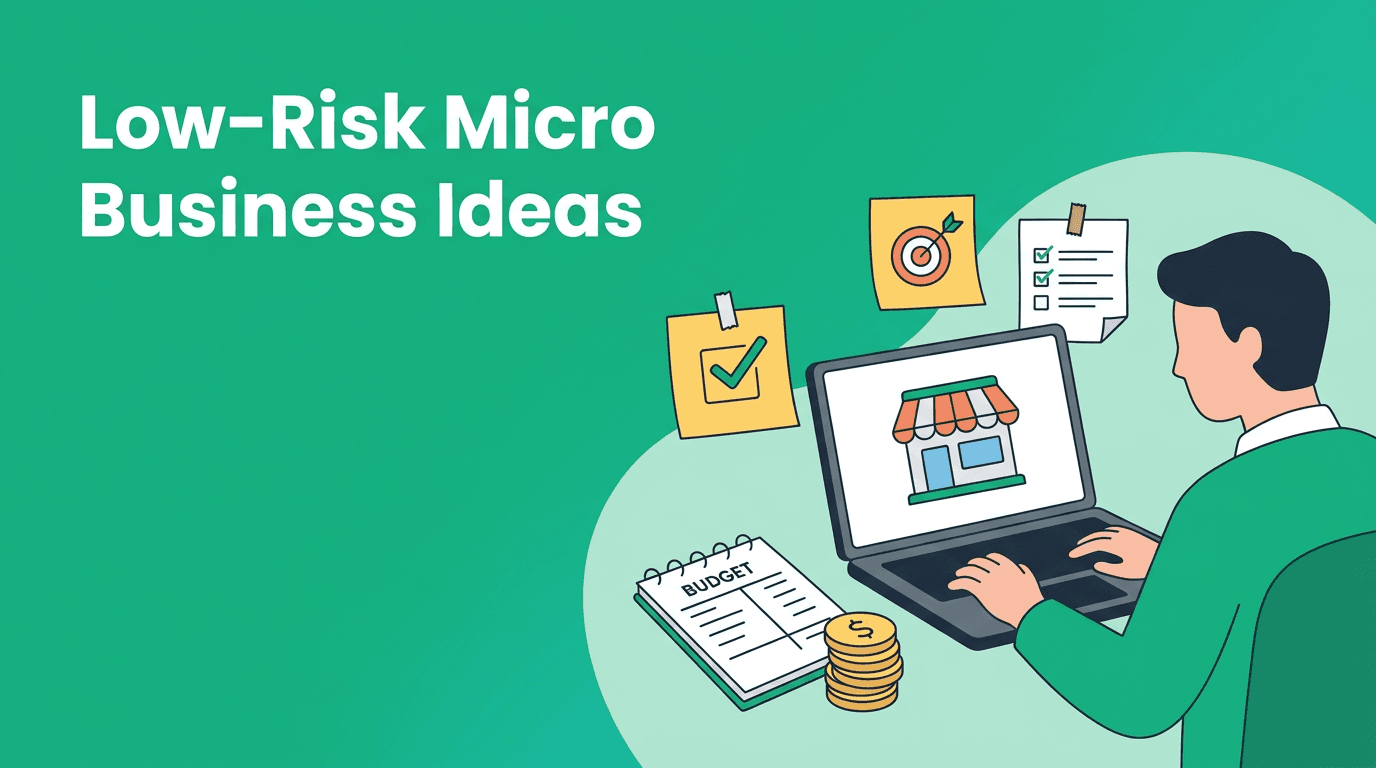
Micro business ideas are a practical way for young professionals to test entrepreneurship without quitting their job or taking on big financial risk. If you want better budgeting, stronger financial literacy, and a realistic path to a side hustle, starting small can teach you more than months of overthinking.
Why micro business ideas work for busy professionals
A micro business is smaller than the typical startup dream. It often begins with one skill, one service, or one simple product. That is exactly why it works. You can validate demand, protect your cash flow, and learn how customers respond before you spend too much time or money.
- Low startup costs make it easier to experiment without debt.
- You can build around your current schedule, which helps reduce burnout.
- Small tests improve financial literacy because you track expenses, income, and profit in real time.
- A simple model supports better saving money habits because you are less likely to overspend on branding, tools, or inventory.
"Start where you are. Use what you have. Learn from what sells."
A better way to choose a side hustle
Many people choose a side hustle based on hype. A smarter approach is to choose one based on proof. Look at your current skills, available time, and what people already ask you for. The best beginner business is often the one that solves a small problem clearly.
Ask these three filters first
- Skill filter - What can you already do well enough to help someone this month?
- Time filter - Can you deliver it in 5 to 7 hours a week?
- Money filter - Can you start it with a budget you can afford without harming your essentials or savings goals?
5 micro business ideas you can start with low risk
- Service-based freelancing - Resume edits, presentation design, research support, copywriting, or social media scheduling.
- Digital product sales - Templates, checklists, mini guides, or planners for a niche audience.
- Local concierge services - Pet sitting, errand support, event setup, or neighborhood organizing help.
- Skill tutoring - Teach software, language basics, public speaking, or interview practice.
- Niche reselling - Curate a focused category such as office decor, used tech accessories, or hobby gear.
These micro business ideas work well because they let you learn fast. You do not need a perfect website or a full brand kit to get started. You need one offer, one audience, and one way to deliver value consistently.
How to use budgeting before you earn your first dollar
One of the biggest beginner mistakes in entrepreneurship is spending like a business owner before becoming one. Start with a tiny test budget. This makes your budgeting more disciplined and lowers pressure if results are slow at first.
Use a simple starter budget
- Set a maximum startup limit you can afford to lose without stress.
- Separate needs from wants, such as paying for a domain only after someone shows real interest.
- Track every expense in categories like tools, supplies, transport, and fees.
- Review profit weekly, not just revenue. Revenue feels exciting, but profit is what improves your finances.
This habit builds real financial literacy. You stop guessing and start making decisions from numbers. Over time, that mindset also helps with saving money in your personal life because you become more aware of leaks and impulse spending.
Build better money habits while you grow
Haply helps you stay consistent with personalized coaching, a Budget Tracker, daily reminders, and goal-based planning for career and finance growth.
Try Haply FreeA 4-week launch plan for beginners
Week 1 - Pick one offer
Choose one problem you can solve quickly. Write a one-sentence offer, define who it is for, and set a beginner price. Keep the offer narrow so it is easier to explain and sell.
Week 2 - Find proof of demand
Post in your network, ask friends for referrals, or message potential customers directly. Your goal is not mass exposure. Your goal is feedback. The best micro business ideas become clearer once real people react to them.
Week 3 - Deliver manually
Do the work in the simplest way possible. Avoid buying systems too early. Manual delivery teaches you what customers value, what takes too long, and what can later be standardized.
Week 4 - Review and improve
Look at revenue, profit, hours used, and customer feedback. Decide whether to refine the offer, raise the price, or stop and test a new idea. That review cycle is where practical financial literacy and business confidence grow together.
How to stay consistent without burning out
- Block two focused work sessions a week instead of trying to work every night.
- Create one weekly metric, such as leads sent, products listed, or clients served.
- Use tools that reduce friction, not tools that make you feel busy.
- Protect sleep and recovery so your job performance does not decline.
- Celebrate small wins, especially your first inquiry, first sale, or first repeat customer.
If consistency is your challenge, Haply's AI coaching app can help. Its Finance and Career coaches, habit tracker, and Today Dashboard are useful for keeping your side hustle goals visible without turning your life into a spreadsheet.
What success should look like in the first 90 days
Early success is not about going viral. It is about proving that your idea can bring in revenue, fit your schedule, and support your wider goals. For many beginners, success means earning a small but repeatable amount, improving saving money habits, and gaining the confidence to make smarter career and income decisions.
Frequently Asked Questions
What are the best micro business ideas for beginners?
The best options are usually low-cost services or digital products based on skills you already have. Start with something simple that solves a clear problem and can fit around your full-time job.
How much money do I need to start a micro business?
Many micro businesses can start with very little money if you use free tools and manual processes first. Set a small test budget and avoid spending before you validate demand.
Is a side hustle the same as a micro business?
Not always. A side hustle is any income activity outside your main job, while a micro business is usually a more structured small venture with an offer, customers, and basic financial tracking.
How does budgeting help a new business grow?
Budgeting helps you control startup costs, track profit, and make better decisions with limited resources. It also reduces the risk of overspending on things that do not create revenue.
How can I improve financial literacy while starting a business?
Track every expense, review profit regularly, and compare your time spent with your earnings. Real-world tracking is one of the fastest ways to build financial literacy.