Micro Business Ideas for Beginners: A Low-Risk Path to Entrepreneurship
Micro business ideas can help you test entrepreneurship without quitting your job. Learn a practical system for budgeting, saving money, and building income with low-risk experiments.

By Haply Team
Haply Editorial Team
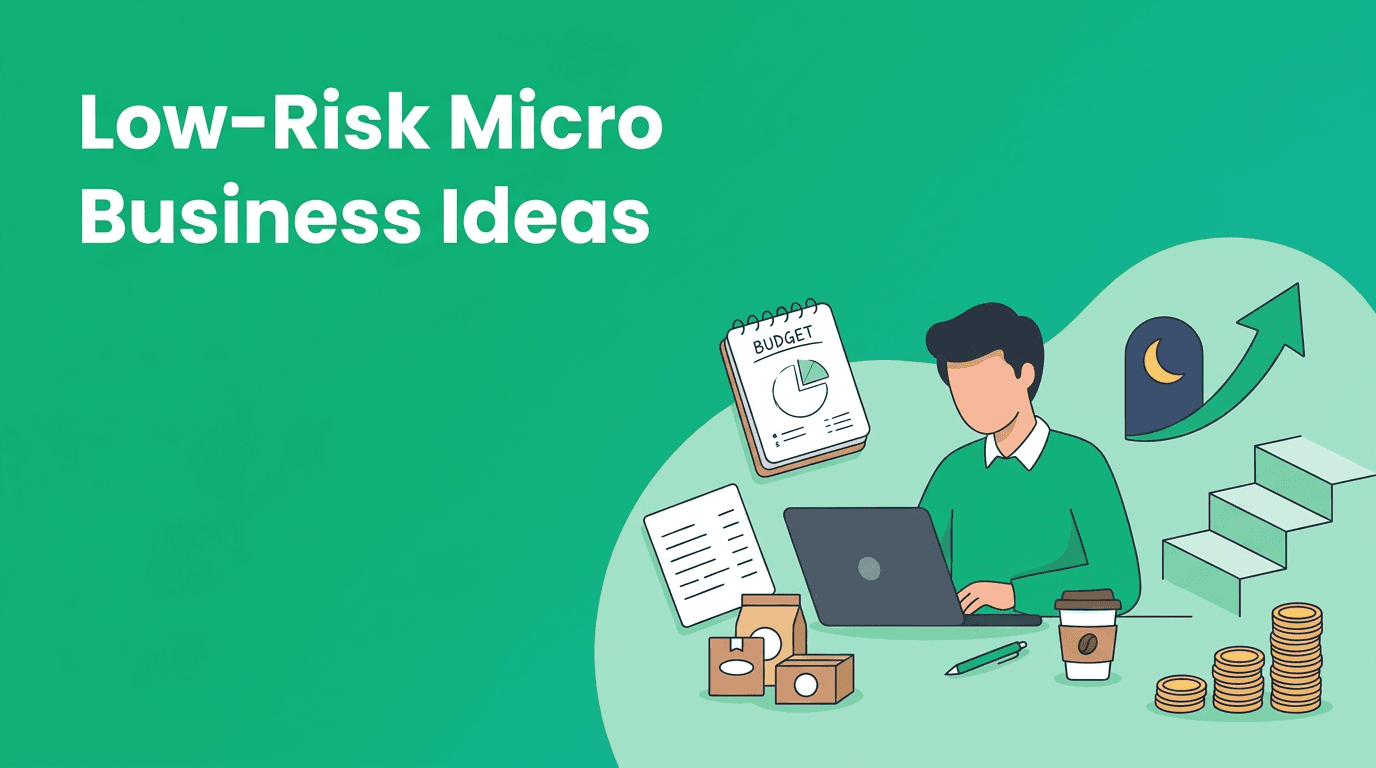
Micro business ideas are one of the safest ways to explore entrepreneurship when you want more income but do not want to blow up your schedule or budget. If you are a young professional, the goal is not to build a giant company overnight. It is to test small offers, protect your cash flow, and improve your financial literacy while learning what people will actually pay for.
Why micro business ideas work for busy professionals
A micro business is intentionally small at the beginning. That is the point. Instead of chasing a dramatic side hustle launch, you create a tiny service, product, or digital offer that can be tested in a few hours a week. This keeps your risk low and makes budgeting much easier because you are not pouring money into a business model you have not validated yet.
- Lower startup costs mean less pressure on your monthly budget.
- Faster learning cycles help you find demand before investing heavily.
- Flexible time commitment works better for people with full-time jobs.
- Small experiments build real-world business skills without major financial stress.
Start with a money rule before you pick a business
Before brainstorming offers, set one clear financial rule: your business should earn the right to grow. That means you decide in advance how much money you are willing to spend, how long you will test, and what results would justify the next step. This is where saving money and business building meet.
Use the 3-bucket test budget
- Bucket 1 - Essentials: Keep your normal bills, debt payments, and savings goals separate from business money.
- Bucket 2 - Test fund: Set a small fixed amount, such as one month of discretionary spending, that you can afford to lose.
- Bucket 3 - Reinvest rule: Only reinvest business income after you pay yourself back for the initial test fund.
This structure improves financial literacy because it teaches you to separate personal needs from business experiments. It also prevents the common mistake of calling random spending an 'investment' when it is really untested risk.
7 micro business ideas you can test with low risk
1. Skill-based service packages
Turn a skill you already use at work into a simple offer. Examples include resume polish, slide deck cleanup, LinkedIn profile refresh, inbox organization, beginner bookkeeping support, or research summaries. Package the result, not your time. A clear offer like 'I turn messy presentations into client-ready decks in 48 hours' is easier to sell than 'I do freelance design.'
2. Digital templates
Templates are attractive because you create once and sell many times. Think budget spreadsheets, meeting note systems, portfolio layouts, onboarding checklists, or content planning boards. This option pairs well with budgeting and productivity topics because buyers want ready-made tools that save them time.
3. Niche tutoring or coaching
You do not need to be a celebrity expert. You only need to help beginners solve a clear problem. You could teach Excel basics, presentation confidence, business writing, or industry-specific knowledge for new hires. Keep the promise narrow and outcome-focused.
4. Curated local services
Some micro businesses do not require creating a product at all. You can package a solution by coordinating existing providers. For example, busy professionals may pay for a researched shortlist of movers, cleaners, virtual assistants, or photographers based on their budget and needs.
5. Simple e-commerce bundles
Instead of inventing a brand-new product, bundle useful items for a specific audience. Think work-from-home starter kits, conference survival packs, or desk wellness bundles. Start with tiny batch sizes to keep inventory risk controlled.
6. Community-based subscriptions
If you are good at gathering useful information, create a paid weekly roundup for a niche audience. This could cover job leads, grant opportunities, local events, or creator tools. The value is not volume. It is curation and consistency.
7. Accountability services
People pay for follow-through. A lightweight accountability offer for studying, job search routines, budget check-ins, or creator consistency can become a profitable micro business when the structure is clear and the outcomes are measurable.
Start smaller than your ego wants, and more consistently than your fear allows.
How to validate demand without wasting money
The smartest early move in entrepreneurship is not building more. It is asking better questions. Validation means learning whether a real person has a real problem and will pay for a specific solution.
- Write a one-sentence offer with a clear outcome and deadline.
- Share it with 10-20 people in your network or niche communities.
- Track responses such as questions, calls booked, and actual payments.
- Improve the offer based on objections, not guesses.
- Do one paid pilot before investing in branding, software, or inventory.
This approach supports saving money because you delay expenses until demand is visible. It also builds the habit of making decisions from evidence, which is a core part of strong financial literacy.
Build better money and career habits with Haply
If you are testing a business idea while managing a job, Haply can help you stay consistent. Use the Finance and Career coaches for personalized planning, the Budget Tracker for spending awareness, and the Task Planner to turn ideas into weekly actions.
Try Haply FreeA weekly system to balance your job, budget, and side hustle
You do not need more motivation. You need a repeatable system. Try this simple weekly rhythm for your side hustle experiments.
- Monday: Review your calendar and choose one business priority for the week.
- Wednesday: Spend 30 minutes on outreach, validation, or customer conversations.
- Friday: Update income, expenses, and lessons learned.
- Weekend: Deliver work, refine your offer, or create one small asset like a template or sales page.
This structure prevents random busywork. It also makes budgeting easier because you can see whether your time and spending are producing results.
What to track in your first 90 days
- Revenue: How much money actually came in?
- Profit: What remained after direct costs?
- Hours used: How much time did delivery and admin take?
- Lead sources: Where did paying customers come from?
- Repeat demand: Did anyone ask for more, refer others, or buy again?
These numbers matter more than social media likes. If the business is small but profitable, manageable, and repeatable, you have something worth expanding.
The real benefit of starting tiny
The biggest win from micro business ideas is not just extra income. It is becoming a person who can spot value, test ideas, communicate clearly, and make smarter money decisions. Those skills strengthen your day job, future leadership potential, and long-term confidence around money.
A good micro business can support saving money, improve your understanding of pricing and profit, and give you practical experience in entrepreneurship without forcing high-risk moves. Start with one idea, one budget, and one paid test.
Frequently Asked Questions
What are the best micro business ideas for beginners?
The best options usually build on skills you already have, such as service packages, tutoring, templates, curated research, or accountability support. Start with ideas that require little upfront spending.
How much money do I need to start a micro business?
Many micro businesses can start with very little if you use existing skills and free tools. Set a fixed test budget you can afford to lose and avoid large upfront commitments.
Can I start a micro business while working full time?
Yes, many people do. The key is to choose a small offer, limit weekly hours, and use a simple schedule for outreach, delivery, and financial tracking.
How do I budget for a new side hustle?
Keep personal bills and savings separate from business spending. Use a small test fund, track every expense, and only reinvest after you have proof of demand.
Why is financial literacy important for entrepreneurship?
Financial literacy helps you understand cash flow, profit, risk, and spending decisions. That makes it easier to test ideas responsibly and avoid turning hopeful guesses into expensive mistakes.