Income Ladder Strategy: A Practical Side Hustle Plan That Supports Better Budgeting
A smart side hustle can do more than add cash. It can strengthen budgeting, improve saving money habits, and build real financial literacy for young professionals.

By Haply Team
Haply Editorial Team
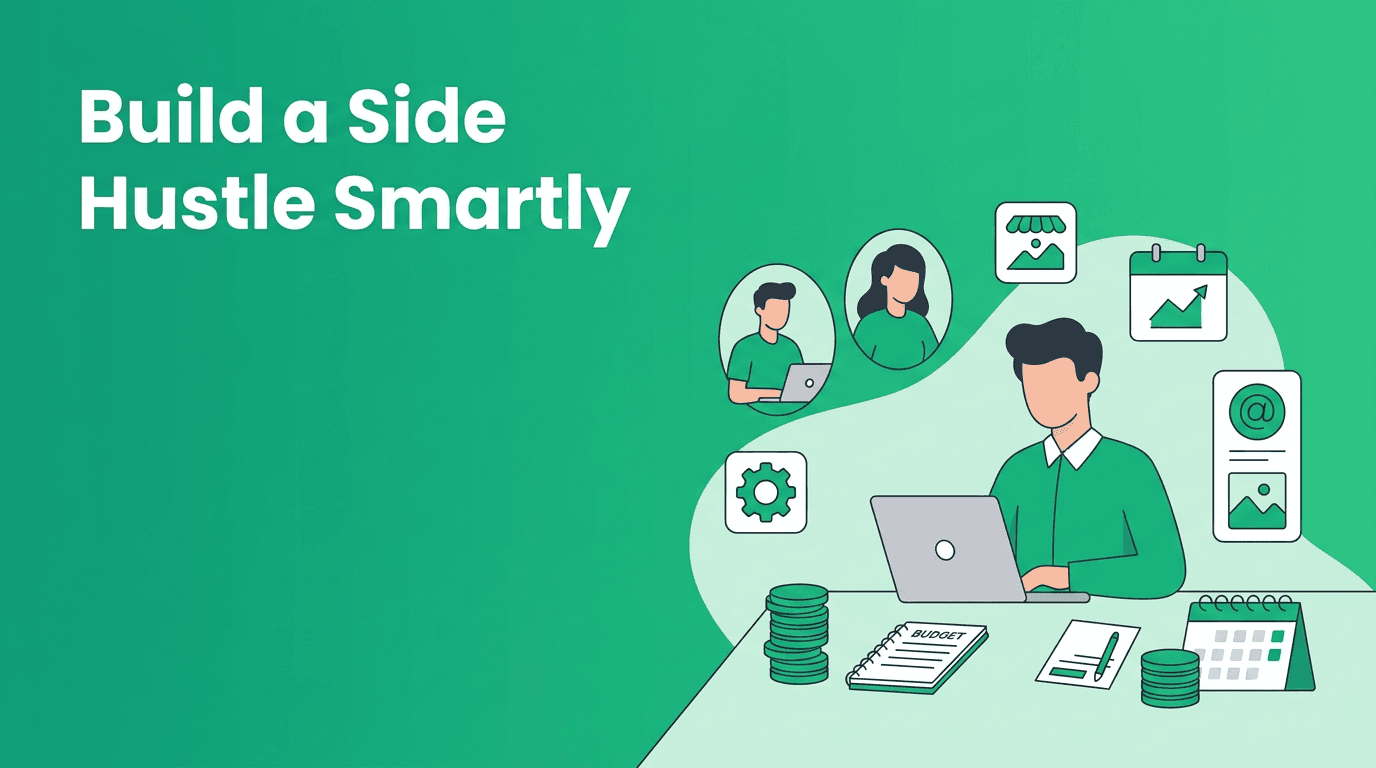
A side hustle is not just a way to earn extra cash. For many young professionals, it is a practical training ground for budgeting, saving money, and building stronger financial literacy. If your main paycheck covers the basics but does not create much momentum, a small second income stream can help you practice money skills in real life without overhauling your career overnight.
The key is to stop thinking about extra income as random spending money. Used well, a side hustle can become an income ladder, each step improving how you manage cash flow, test entrepreneurship, and reduce financial stress.
Why a side hustle works better with a money system
Many people start earning on the side before they create a plan for it. That is where progress leaks away. When extra income lands in your account without a purpose, it often disappears into impulse spending, subscriptions, or lifestyle creep. A simple structure turns uneven income into something useful.
- Use 50 percent of side income for short-term goals like debt payments, bills, or cash buffer growth.
- Put 30 percent toward future-building goals such as skill courses, tools, or certifications that support career growth.
- Keep 20 percent for flexible spending so your side hustle still feels rewarding and sustainable.
"Extra income changes your life fastest when it funds freedom, not just convenience."
Build your side hustle around your current career
The easiest side hustle is often the one that uses skills you already have. Instead of chasing trends, look at your job tasks and ask what can be repackaged into a small paid service. This approach lowers startup friction and strengthens your professional brand at the same time.
Low-friction examples to test
- A marketing coordinator can offer resume or LinkedIn profile reviews for people in their industry.
- A designer can sell one-hour brand audits for small businesses.
- A spreadsheet-savvy analyst can create budget templates or simple operations trackers.
- A strong writer can provide editing, ghostwriting, or newsletter support.
- A bilingual professional can offer translation or localization help for startups.
This is where entrepreneurship becomes less intimidating. You are not building a giant company on day one. You are solving one useful problem for one specific person, then improving from there.
Use side income to improve budgeting, not complicate it
Irregular income can make budgeting feel messy, but it becomes manageable when you separate your baseline life from your bonus income. Your salary should cover core monthly expenses as much as possible. Then your side hustle income becomes a tool, not a lifeline.
- Create a separate account or tracking category just for side income.
- Record every payment, fee, refund, and business expense weekly.
- Set one monthly transfer day so you assign side hustle money intentionally.
- Build a small tax buffer if your income is self-employed or freelance.
- Review which offers are worth your time based on hourly return, not just revenue.
Turn extra income into better saving money habits
One of the biggest wins from a side hustle is behavior change. Because the money feels earned in a very visible way, people are often more thoughtful about where it goes. That makes it a great tool for saving money goals.
Three smart destinations for your first months of extra income
- Build a starter emergency fund so surprise expenses stop derailing your month.
- Create a career opportunity fund for courses, conferences, software, or relocation costs.
- Save toward a freedom goal like a buffer that gives you more flexibility to switch roles or reduce burnout.
This is the practical side of financial literacy. It is not just knowing terms. It is learning how income, spending, saving, and decision-making connect in your everyday life.
Want help staying consistent with your money goals?
Haply is an AI life coaching app for iOS and Android with personalized Finance and Career coaching, habit tracking, a Budget Tracker, and daily reminders that make follow-through easier.
Try Haply FreeA 30-day side hustle experiment for young professionals
If you tend to overthink, run a short experiment instead of making a huge commitment. A 30-day test gives you enough data to learn without burning out.
- Week 1: Choose one offer, one audience, and one price.
- Week 2: Reach out to 10 potential clients or post your offer in 3 relevant places.
- Week 3: Deliver the work, track hours, and collect feedback.
- Week 4: Review profit, energy level, repeatability, and whether the work supports your long-term career goals.
This small cycle teaches financial literacy through action. You learn pricing, time management, client communication, and how to evaluate whether extra work is actually worth it.
How entrepreneurship skills can improve your day job
Even a tiny side hustle can sharpen skills that make you stronger at work. You become more aware of value, faster at communication, and clearer about what results people will pay for. That mindset often carries back into your main role.
- You learn to describe your work in terms of outcomes, not just tasks.
- You get better at setting boundaries and managing scope.
- You become more confident talking about money and value.
- You gain evidence of initiative, problem-solving, and ownership for future interviews or promotions.
If you want support while building these habits, Haply's chat-based coaches can help you break goals into weekly actions, track progress with streaks, and use tools like the Task Planner and Budget Tracker to stay organized.
The goal is not to hustle harder forever
The best outcome is not endless busyness. The goal of a side hustle is to create options. Maybe it helps you pay off a balance, build savings, test entrepreneurship, or gain enough confidence to change careers. Treat it like a season with a purpose, not a permanent identity.
When extra income has a job, your money starts working with your career instead of against it. That is where better budgeting, stronger saving money habits, and real financial literacy begin to compound.
Frequently Asked Questions
How do I start a side hustle with a full-time job?
Start with one small service or offer that uses skills you already have. Limit your weekly hours, test demand for 30 days, and track profit before expanding.
What is the best way to budget side hustle income?
Keep side hustle income separate from your main paycheck and assign each payment a purpose. Many people split it across savings, reinvestment, and flexible spending.
Can a side hustle improve financial literacy?
Yes. Running a side hustle teaches practical money skills like tracking income, managing expenses, pricing work, and saving for short-term and long-term goals.
How much side hustle income should I save?
A simple starting point is to save a meaningful share of each payment before spending it. The exact amount depends on your goals, tax situation, and monthly financial pressure.