Networking for Introverts: A Personal Branding System for Entrepreneurship Growth
Networking for introverts can become a real advantage when paired with a smart personal branding system. Learn practical habits to grow entrepreneurship opportunities, startup visibility, and your online business.

By Haply Team
Haply Editorial Team
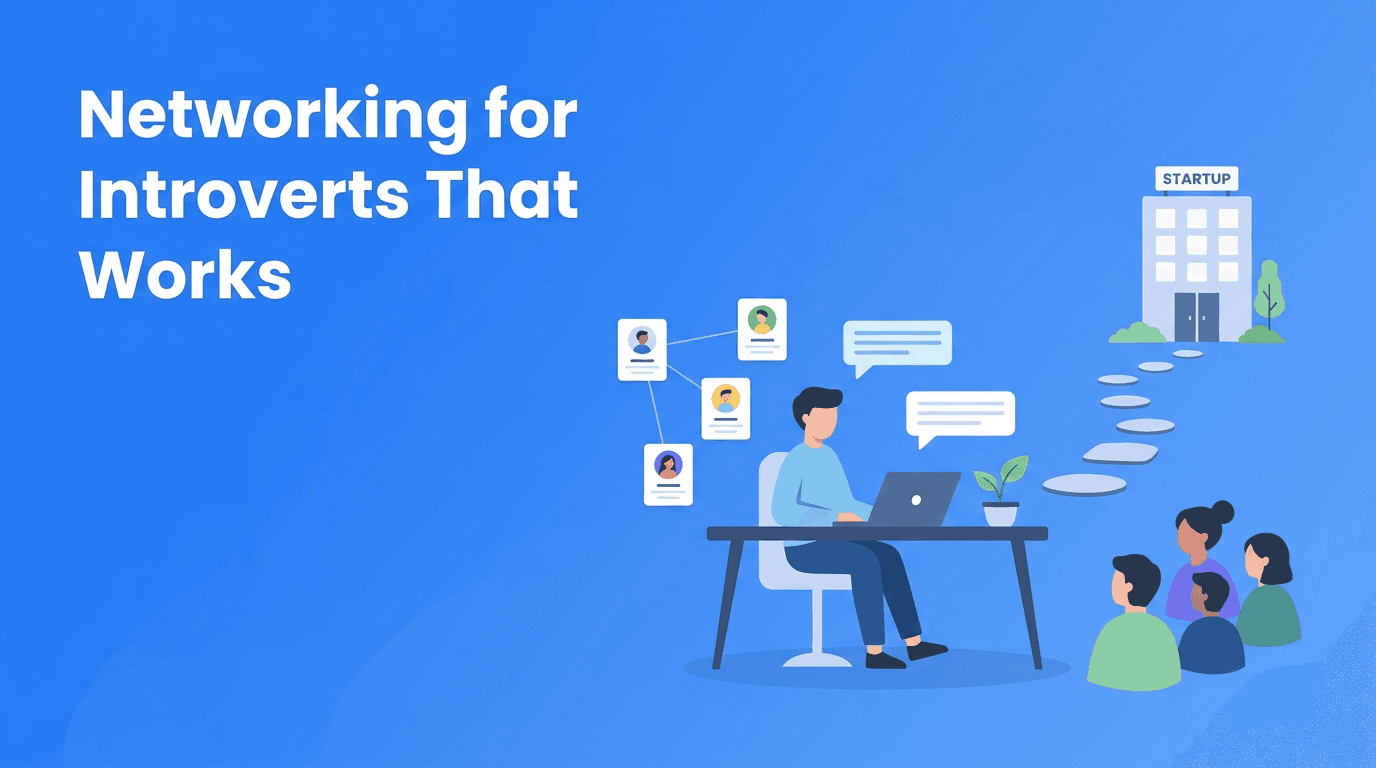
Networking for introverts does not have to mean forced small talk, loud events, or pretending to be the most outgoing person in the room. In fact, introverts often have natural strengths that make them excellent at personal branding, thoughtful relationship building, and creating trust in entrepreneurship, a startup, or an online business. The key is to stop copying extrovert-style networking and build a system that fits your energy.
Why networking for introverts can be a competitive advantage
Many ambitious professionals assume networking success belongs to the loudest voice. That is a myth. Introverts tend to listen closely, ask better questions, and remember meaningful details. Those qualities help you build a stronger reputation over time, which matters far more than collecting random contacts. In the long run, networking for introverts works best when it is intentional, consistent, and grounded in value.
- Listening builds trust faster than self-promotion.
- Depth beats volume when you are growing your network strategically.
- Thoughtful follow-up helps people remember you.
- Calm consistency supports a stronger personal branding presence than occasional bursts of visibility.
"You do not need to know everyone. You need to be known clearly by the right people."
A quieter networking model for personal branding
If you are building a career, launching a startup, or growing an online business, think of networking as reputation-building, not performance. Your goal is not to impress everyone. Your goal is to become associated with a few clear strengths. That is where personal branding and networking overlap.
Step 1: Define your three-topic identity
Choose three topics you want people to associate with you. For example: product design, founder mindset, and creator marketing. Or career strategy, freelance systems, and finance basics. This makes it easier to speak, post, and connect with clarity.
- Ask yourself: What do I want opportunities to find me for?
- Pick topics that connect your current work with your future direction.
- Use the same themes in your bio, conversations, and content.
Step 2: Build a low-pressure networking routine
The biggest mistake introverts make is treating networking like an occasional event. A better method is a light weekly system. This turns networking for introverts into a repeatable habit instead of a draining social sprint.
- Send 2 thoughtful messages each week to peers, mentors, or potential collaborators.
- Comment on 3 posts with useful insight, not generic praise.
- Share 1 short idea or lesson from your work on LinkedIn or another platform.
- Reconnect with 1 older contact each week to keep relationships warm.
Build your career habits with support
Want a simple way to stay consistent with networking, personal branding, and career goals? Haply offers AI coaching, habit tracking, reminders, and a Today Dashboard that helps you turn good intentions into action.
Try Haply FreeBest networking channels for introverted professionals
You do not need to rely on conferences alone. Some of the best networking spaces for introverts are slower, more focused, and easier to manage. Choose channels that match your communication style and career goals.
- LinkedIn for professional visibility and ongoing relationship building.
- Small industry communities for deeper conversation.
- Email outreach for thoughtful introductions and follow-up.
- One-on-one virtual coffees instead of large live events.
- Creator platforms if your online business depends on audience trust.
How to start conversations without sounding awkward
A simple formula helps: notice something specific, add a genuine insight, then ask a relevant question. This works in DMs, email, and comment sections. It feels natural because it is based on attention, not performance.
- "I liked your point about customer retention. We tested something similar in our startup and learned that onboarding mattered more than discounts. How are you measuring early engagement?"
- "Your post on entrepreneurship and burnout really stood out. I am exploring sustainable work systems myself. What habit has made the biggest difference for you?"
- "I saw your interview on building an online business. Your point about trust was sharp. Are you seeing more growth from content or partnerships right now?"
How networking supports entrepreneurship and startup growth
For founders and aspiring founders, networking is not just about finding clients. It helps you find collaborators, early users, advisors, referral partners, and social proof. The right relationship can shorten your learning curve dramatically. That is why entrepreneurship and startup growth often depend on consistent relationship-building behind the scenes.
If you are growing a business while working full time, keep your networking focused on quality. Track who you met, what matters to them, and when to follow up. Tools and routines matter here. Many professionals use Haply's Career coach to stay accountable on outreach goals, while the habit tracker and reminders can support weekly networking streaks without making the process feel heavy.
A 30-day networking challenge for introverts
- Week 1: Refresh your bio and clarify your three-topic identity.
- Week 2: Reach out to 5 people with personalized messages.
- Week 3: Publish 2 helpful posts related to your expertise.
- Week 4: Schedule 2 one-on-one conversations and send follow-ups within 24 hours.
- At the end of 30 days, review which interactions created the most energy, trust, and opportunity.
"Visibility grows when consistency meets clarity."
Common mistakes that make networking feel harder
- Trying to be impressive instead of being useful.
- Waiting until you need something to reach out.
- Using vague self-descriptions that weaken personal branding.
- Spreading yourself across too many platforms.
- Ignoring follow-up, which is where trust usually grows.
The goal is not to become louder. The goal is to become clearer, more consistent, and easier to remember. That is the version of networking for introverts that creates real career momentum.
Frequently Asked Questions
How can introverts get better at networking?
Introverts get better at networking by using a repeatable system, focusing on one-on-one conversations, and following up consistently. Depth and preparation usually work better than high-volume socializing.
What is the best networking strategy for introverts?
The best strategy is to combine clear personal branding with small weekly actions like thoughtful messages, comments, and follow-ups. This builds trust without draining your energy.
Can networking help grow a startup or online business?
Yes. Networking can lead to partnerships, referrals, early customers, mentors, and visibility. Strong relationships often create momentum faster than cold outreach alone.
How often should I network on LinkedIn?
A simple target is a few meaningful interactions each week. Consistency matters more than daily posting or constant outreach.