Online Coaching Comparison: How to Choose the Right Support for Real Life Change
This online coaching comparison helps you evaluate AI tools, human support, and hybrid options so you can choose a life coaching approach that fits your goals, budget, and daily routine.


By Haply Team
Haply Editorial Team
An online coaching comparison is more useful than a simple pros-and-cons list because coaching works differently depending on your goals, schedule, and budget. If you are weighing life coaching, online coaching, or the classic AI vs human coach question, the smartest choice is the one you will actually use consistently.
Why an online coaching comparison matters now
People no longer choose from just one model of support. Today, online coaching can mean live video sessions, chat-based guidance, app-based habit support, or a blend of all three. That creates more access, but it also makes decision-making harder. A clear online coaching comparison helps you match the format to the change you want to create.
- Choose human coaching if you want deep nuance, emotional attunement, and live conversation.
- Choose AI-supported coaching if you want daily check-ins, lower cost, and support at any hour.
- Choose a hybrid approach if you want both strategic human insight and consistent digital accountability.
AI vs human coach: what actually changes
The phrase AI vs human coach often sounds like a competition, but in practice it is a design choice. Human coaches bring lived experience, intuition, and the ability to read context beyond words. AI coaching tools bring speed, structure, memory, and repeatable support across everyday moments when people usually lose momentum.
Where human coaching tends to be stronger
- Navigating complex emotions, identity shifts, and sensitive life transitions
- Holding space during difficult conversations or major setbacks
- Challenging blind spots through relational feedback and nuanced interpretation
- Supporting clients who value interpersonal connection as part of the transformation
Where AI coaching tends to be stronger
- Providing daily accountability without scheduling friction
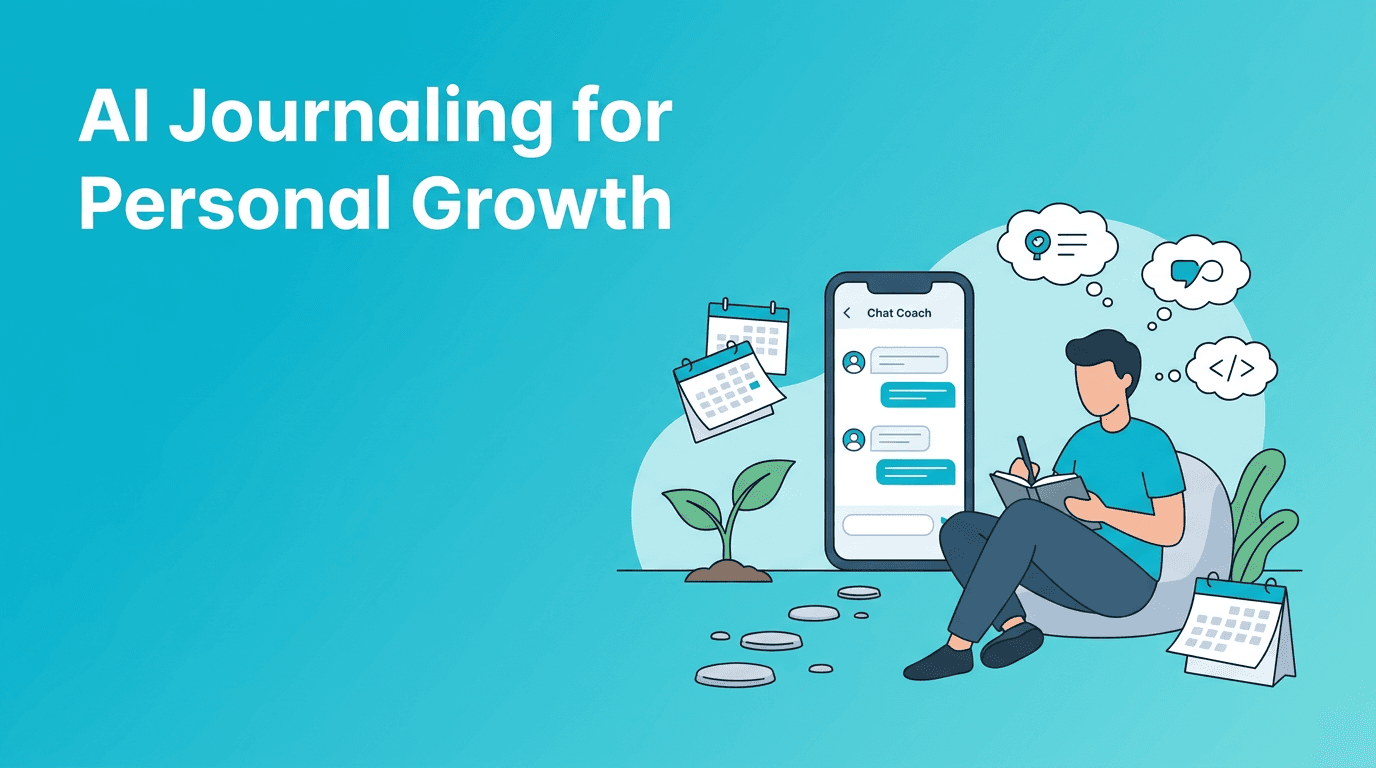
- Helping users reflect in the moment instead of waiting for the next session
- Turning goals into small actions, reminders, and repeatable routines
- Making life coaching more affordable and accessible for beginners
The best coaching system is not the one with the most features. It is the one that makes progress easier to repeat.
A practical coaching comparison by real-world use case
If you need momentum between busy workdays
For people juggling work, family, and constant notifications, online coaching often works best when it fits into small windows of time. Chat-based AI tools can support five-minute check-ins, while a weekly human session may feel too far apart to shape daily behavior. This is where a practical coaching comparison favors convenience and consistency over intensity.
If you are facing a major life decision
When stakes are high, such as a career pivot, burnout recovery, or relationship boundary setting, a human coach may offer more value. In these moments, the AI vs human coach question is less about efficiency and more about depth, perspective, and emotional nuance.
If you are building habits from scratch
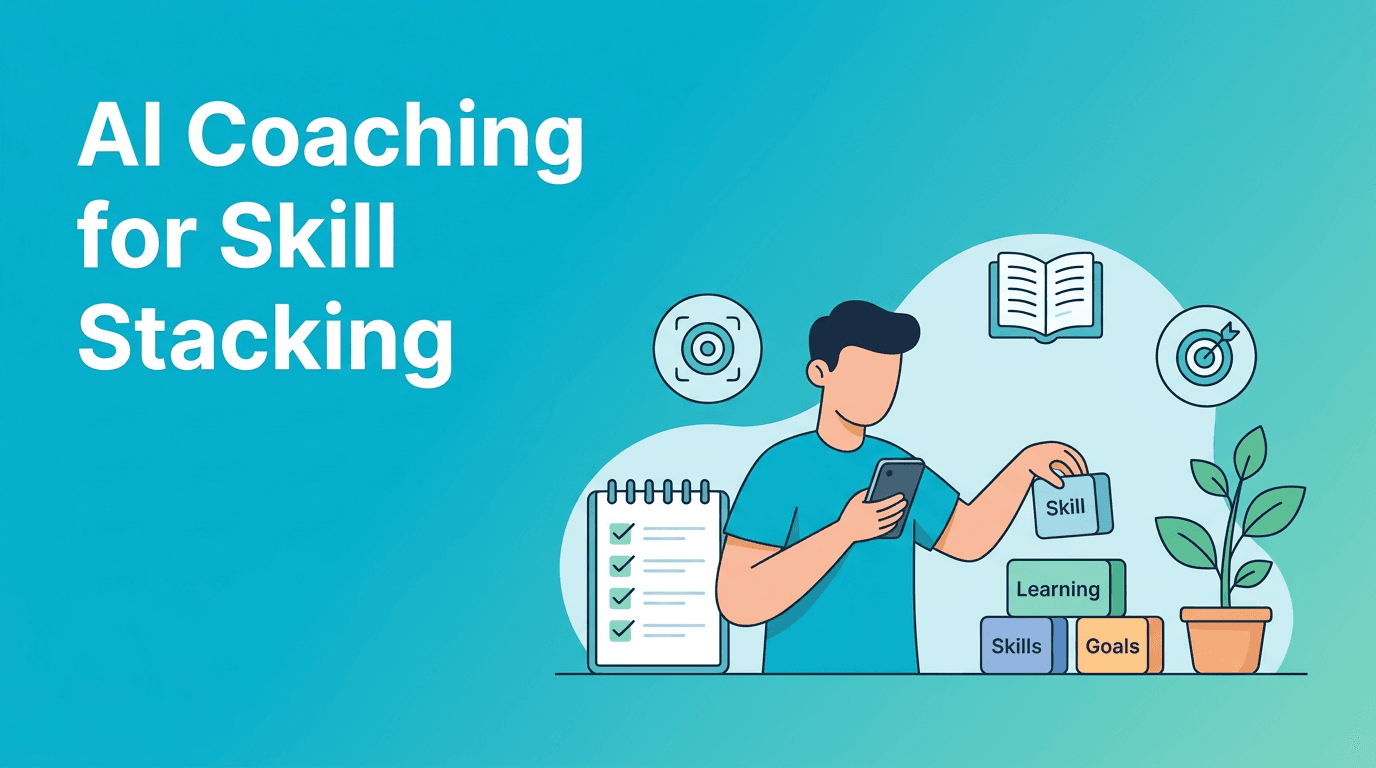
Habit formation often benefits from technology-powered support. An app like Haply can provide personalized coaching chats, daily reminders, streak tracking, and mini-tools such as a Focus Timer, Task Planner, and Meditation/Breathe feature. That makes online coaching feel less like occasional advice and more like a system you can use every day.
Try a coaching format you can actually stick with
If you want affordable, structured support for productivity, wellness, career, learning, finance, creativity, or relationships, Haply offers AI life coaching on iOS and Android with goal-based onboarding and a 7-day free trial.
Try Haply FreeHow to choose the right life coaching format
- Start with your primary goal. Do you need clarity, accountability, emotional support, or habit consistency?
- Check your preferred rhythm. Some people thrive with weekly conversations, others need daily prompts.
- Be honest about your budget. Expensive support that you cannot sustain is rarely the best long-term option.
- Consider your privacy and comfort. Some users open up more in writing than in live conversation.
- Test for follow-through, not just inspiration. The right coaching model should help you act, not only reflect.
A good online coaching comparison should end with a decision rule: choose the option that reduces friction between intention and action. If support feels too expensive, too infrequent, or too hard to access, progress usually slows.
Why hybrid coaching may shape the future of coaching
The future of coaching will likely be hybrid. Human coaches can focus on high-value reflection, strategy, and emotional complexity, while AI tools can handle repetition, reminders, journaling prompts, and habit support. This model makes life coaching more scalable without pretending every need should be solved the same way.
That is also why many people begin with digital support first. A coaching app can help them clarify goals, build self-awareness, and learn what kind of help they actually need before investing in higher-touch services.
Final takeaway from this coaching comparison
The most useful coaching comparison is not AI versus human in the abstract. It is support versus no support, and momentum versus drift. If you want frequent structure, online coaching and AI tools may be the best starting point. If you need deep relational work, a human coach may be worth the investment. For many people, the strongest answer is both.
Frequently Asked Questions
What is the difference between AI coaching and human coaching?
AI coaching offers structured, on-demand guidance through digital tools, while human coaching provides live relational support, emotional nuance, and personalized interpretation. The best choice depends on your goal and preferred coaching style.
Is online coaching effective for life coaching goals?
Yes, online coaching can be effective for habit building, reflection, goal tracking, and accountability. Results are often strongest when the format matches your schedule and motivation patterns.
How do I choose between AI vs human coach options?
Choose AI support if you want affordable daily guidance and choose a human coach if you need deeper emotional processing or strategic conversation. A hybrid model can combine both strengths.
Are coaching apps a good replacement for traditional life coaching?
For some goals, yes. Coaching apps are especially useful for daily consistency, self-reflection, and accessible support, but they may not fully replace human coaching for complex personal issues.