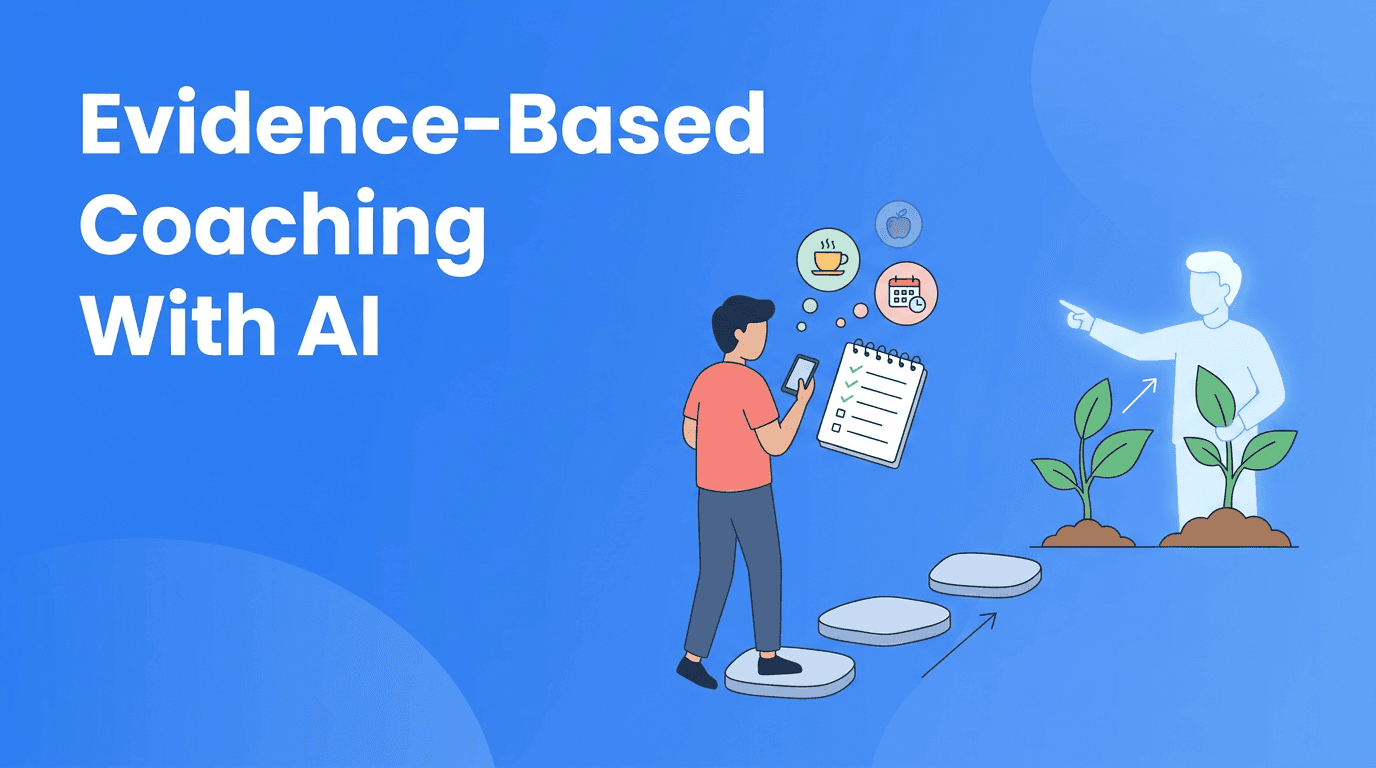
Online Coaching Comparison: How to Choose Between Life Coaching Options
This online coaching comparison helps you evaluate life coaching options, compare digital and traditional support, and choose a practical path for personal growth.


By Haply Team
Haply Editorial Team
An online coaching comparison can save you time, money, and frustration when you are deciding how to invest in personal growth. With more life coaching formats available than ever, from app-based support to video sessions, the real question is not which option is trendy, but which one fits your goals, budget, schedule, and preferred style of accountability.
Why an online coaching comparison matters now
The coaching market has expanded fast. People can now choose between traditional life coaching, app-based guidance, group programs, text support, and hybrid models. That growth creates opportunity, but it also creates confusion. A useful coaching comparison helps you focus on practical differences such as access, personalization, cost, consistency, and privacy.
- Choose based on your goal, not just the platform
- Match the coaching format to your schedule and energy levels
- Compare how each option handles accountability, feedback, and progress tracking
- Look at the total cost over 3 to 6 months, not just the first session
The 4 main life coaching formats people compare
1. Traditional one-on-one coaching
This is the classic model: scheduled sessions with a coach over video or in person. It can be highly personalized and emotionally nuanced. It may work well if your goals are complex, you value live conversation, and you want a strong interpersonal relationship. The tradeoff is usually higher cost and less support between sessions.
2. App-based coaching and guided self-development
This format uses structured prompts, chat-based reflection, trackers, and goal systems. It is often more affordable and easier to access daily. For people who benefit from frequent check-ins, app-based support can be more consistent than weekly sessions. Apps like Haply combine chat-based personalized support with tools such as a habit tracker, Focus Timer, Task Planner, and a Today Dashboard, which can make everyday follow-through easier.
3. Group coaching
Group coaching can reduce cost and add community. It works best for people who gain motivation from shared goals and discussion. The downside is less individualized attention and less flexibility around pacing.
4. Hybrid coaching
Hybrid models combine live coaching with digital tools or messaging. This can offer a balanced middle ground: human insight for big decisions, plus technology for daily momentum. If you often start strong and then lose consistency, hybrid support may be especially useful.
The best coaching format is not the most impressive one. It is the one you will actually use consistently.
AI vs human coach: what actually changes
Many people search for AI vs human coach because they assume one format must be better in every situation. In reality, they serve different needs. Human coaches can offer relational depth, lived experience, and nuanced interpretation in emotionally complex moments. AI-powered tools can offer instant availability, structured reflection, and lower-cost support at scale.
- Choose a human coach if you want deep live dialogue, complex interpersonal exploration, or a strong mentor-style relationship
- Choose an AI-powered coaching app if you want frequent prompts, private reflection, affordable support, and daily structure
- Choose a hybrid approach if your goals need both emotional nuance and regular action support
A fair coaching comparison should measure outcomes by context. If your main challenge is staying organized, building habits, or turning insight into daily action, technology can be highly effective. If your main challenge involves emotionally layered decisions, identity shifts, or sensitive relationship patterns, live human support may be more appropriate.
Questions to ask before choosing online coaching
- What specific result do I want in the next 30 to 90 days?
- Do I need real-time conversation or ongoing daily support?
- How much can I realistically spend each month?
- Will I use scheduled sessions consistently, or do I do better with flexible check-ins?
- Do I want help with reflection, habits, planning, motivation, or all four?
- How important are tools like reminders, streaks, and progress dashboards?
This is where an online coaching comparison becomes practical instead of theoretical. If you know your obstacles, the right format becomes easier to spot. For example, someone with an unpredictable schedule may get more value from asynchronous online coaching than from fixed weekly calls.
Want a low-pressure way to test coaching support?
Haply is an AI life coaching app for iOS and Android with specialized coaches for productivity, wellness, career, learning, finance, creativity, and relationships. You can explore chat-based coaching, reminders, streaks, and mini-tools with a 7-day free trial.
Try Haply FreeHow technology is changing life coaching expectations
Technology is raising the standard for what people expect from life coaching. Many users now want support that is available between sessions, personalized to their goals, and connected to daily actions. That shift does not replace coaches. It changes the baseline. Progress is no longer judged only by how a session feels, but also by whether the support system helps you act consistently afterward.
- More people expect 24/7 access to guidance or reflection prompts
- Users increasingly value progress tracking over vague motivation
- Personal development tools are becoming more goal-based and adaptive
- Coaching is moving toward systems that combine insight + action + measurement
A simple decision framework for coaching comparison
Use this three-part filter when reviewing any online coaching comparison. First, test for fit: does the format match your personality and routine? Second, test for function: does it help with your actual obstacle, such as planning, confidence, or habit consistency? Third, test for follow-through: will it keep supporting you after the initial motivation fades?
Final takeaway
A smart coaching decision is rarely about choosing the most premium option. It is about choosing the support system you can sustain. Whether you prefer a coach, an app, or a mix of both, the strongest choice is the one that helps you reflect clearly, act consistently, and adapt over time. Start with your goal, compare formats honestly, and let your real habits, not assumptions, guide the decision.
Frequently Asked Questions
What is the difference between online coaching and life coaching?
Life coaching is the broader service, while online coaching refers to the delivery format. Life coaching can happen online, in person, through apps, or in hybrid models.
Is online coaching as effective as in-person coaching?
It can be, depending on your goal and engagement style. For habit building, planning, and regular accountability, online coaching may be just as effective or even easier to maintain.
How do I choose between AI vs human coach options?
Choose based on your main need. AI tools are useful for daily structure and affordable support, while human coaches are often better for complex emotional or relational issues.
What should I look for in an online coaching app?
Look for clear goal-setting, personalized guidance, reminders, progress tracking, and tools that support daily action. A free trial can help you test whether the format fits your routine.