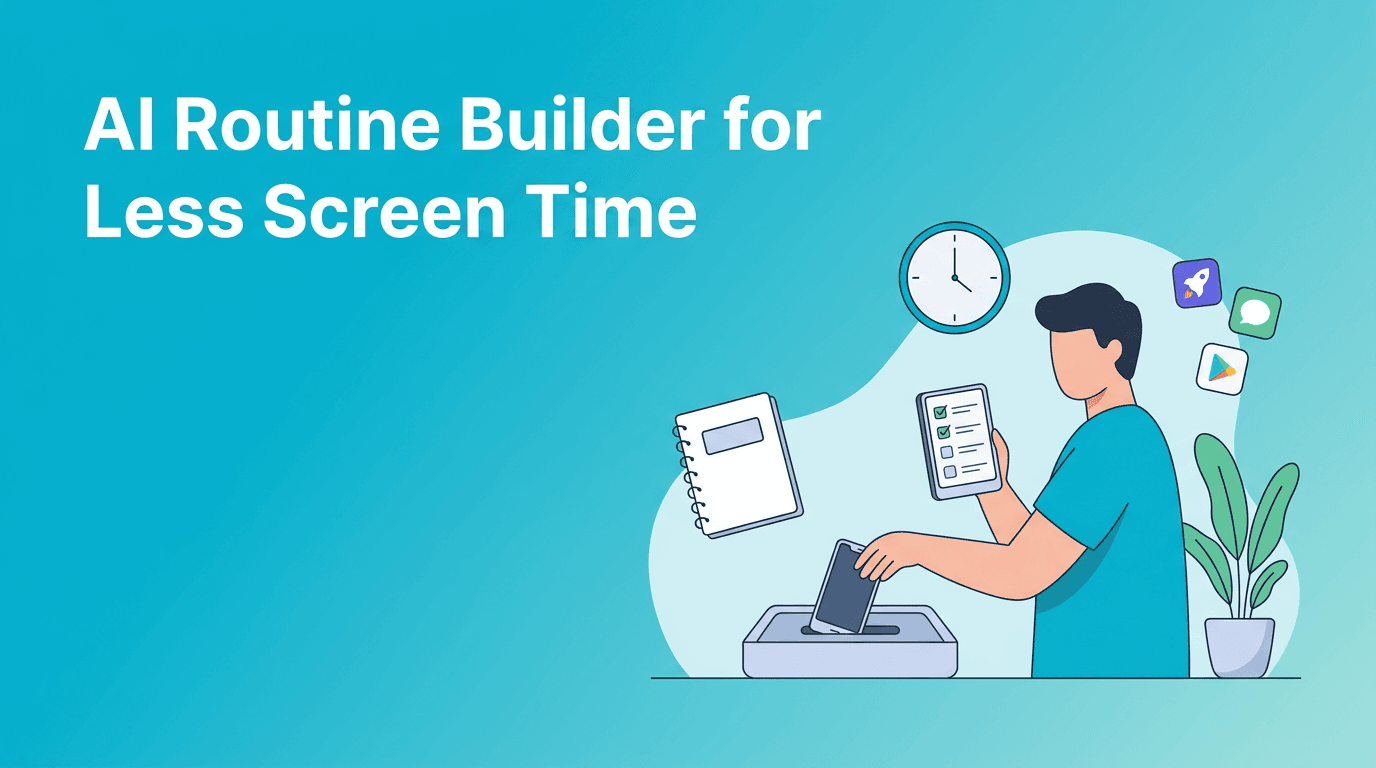
Best Self Improvement Apps for Burnout Recovery and Daily Momentum
Looking for the best self improvement apps to recover from burnout and rebuild momentum? This practical guide compares tools for focus, habits, calm, and daily support.
By Haply Team
Haply Editorial Team
When you're exhausted, even choosing between self improvement apps can feel like one more task. The good news is that the right tools can reduce friction, support better routines, and help you rebuild energy without turning your phone into another source of pressure.
Why burnout changes what you need from apps
Most people search for the best productivity apps when they feel behind. But during burnout, the best app is not always the one with the most features. It is the one that helps you take the next small step, whether that means planning one task, doing a two-minute breathing session, or tracking one habit consistently.
- Choose apps that lower decision-making, not increase it
- Look for simple daily flows, reminders, and clear progress
- Prioritize tools that support energy, attention, and recovery together
- Avoid downloading five apps that do the same job
The 5 app categories that matter most
1. Productivity apps that reduce overwhelm
The best productivity apps for burnout recovery focus on clarity. Instead of complex project systems, look for tools that help you capture tasks, pick your top priority, and close the day with a realistic plan. A simple planner or focus timer is often more useful than a feature-heavy workspace.
2. Habit tracker apps for tiny wins
Good habit tracker apps help you rebuild trust with yourself. Start with basics like sleep, water, movement, journaling, or one work block. The goal is not to create a perfect routine. The goal is to create visible proof that you are moving again.
3. Meditation apps for nervous system reset
The best meditation apps are practical, not intimidating. Short guided sessions, breathing exercises, sleep support, and calming audio can help you shift out of constant stress mode. If you never stick with long meditations, pick an app that offers two to five minute options.
4. AI apps for personalized support
Some AI apps now act more like guided coaches than generic chat tools. They can help you reflect, break goals into steps, and stay accountable with less setup. This is especially helpful when your brain feels too foggy to build a system from scratch.
5. Reading apps that make learning feel lighter
Not all reading apps are about finishing more books. During burnout, reading can become a low-pressure way to reconnect with curiosity. Choose apps that support shorter reading sessions, highlights, progress tracking, or audio options when concentration is low.
A practical comparison: which app type fits your current state?
- If you feel scattered, start with a productivity app and one daily planning ritual
- If you feel inconsistent, add one of the better habit tracker apps for streak visibility
- If you feel anxious or overstimulated, try meditation apps with breathing and sleep support
- If you want all-in-one guidance, explore AI apps that combine coaching with practical tools
- If you want gentle growth, use reading apps for short sessions instead of heavy courses
You do not need a perfect system. You need a system that still works on your hardest days.
Where Haply fits in
Haply is useful if you want fewer disconnected tools. It combines chat-based coaching with specialized support across Productivity, Wellness, Career, Learning, Finance, Creativity, and Relationships. Instead of juggling separate AI apps, planning tools, and habit systems, you can use one app for personalized coaching, a habit tracker with streaks, and mini-tools like a Focus Timer, Task Planner, Meditation/Breathe, Sleep Stories, Budget Tracker, and Idea Board.
That makes Haply especially practical for people who want the benefits of best productivity apps, habit tracker apps, and meditation apps without building a complicated stack. Its Today Dashboard, daily reminders, goal-based onboarding, and level progression can also make consistency feel more motivating.
Want one app instead of five?
Try Haply if you want personalized coaching, habits, focus tools, and wellness support in one place on iOS and Android.
Try Haply FreeHow to build a low-stress app stack
- Pick one main app for planning or coaching
- Add one support app only if it fills a real gap
- Turn off non-essential notifications
- Use widgets or shortcuts so helpful tools are easier to open
- Review your app stack every two weeks and delete what you are not using
A simple starter setup
- Planning: one task app or Haply's Task Planner
- Habits: one short list inside habit tracker apps, no more than three habits
- Calm: one of the meditation apps you will actually open at night
- Learning: one of the reading apps for ten-minute sessions
- Support: one AI coach or guided app for reflection and accountability
Final takeaway on self improvement apps
The best self improvement apps are not the ones that promise total transformation overnight. They are the ones that make your next action easier. If you are recovering from burnout, choose tools that support clarity, calm, and consistency first. Start small, keep your setup simple, and let technology serve your energy instead of draining it.
Frequently Asked Questions
What are the best self improvement apps for burnout recovery?
The best options usually combine planning, habit tracking, and stress support. Look for apps that help with small daily actions instead of complex systems.
Are habit tracker apps helpful when I feel overwhelmed?
Yes. Habit tracker apps can make progress visible and reduce mental load, especially if you track only one to three simple habits.
Do meditation apps really help with stress?
For many people, yes. Short breathing exercises, guided meditations, and sleep content can help regulate stress and improve consistency.
How are AI apps different from regular productivity apps?
AI apps can offer personalized suggestions, reflection prompts, and coaching-like support. Regular productivity apps usually focus more on task organization and planning.