Digital Sabbatical Apps: How to Use AI Tools Without Losing Your Attention
Can digital minimalism and smart AI tools coexist? This guide to digital sabbatical apps shows how to reduce screen time, choose better app recommendations, and build a calmer relationship with the future of technology.

By Haply Team
Haply Editorial Team
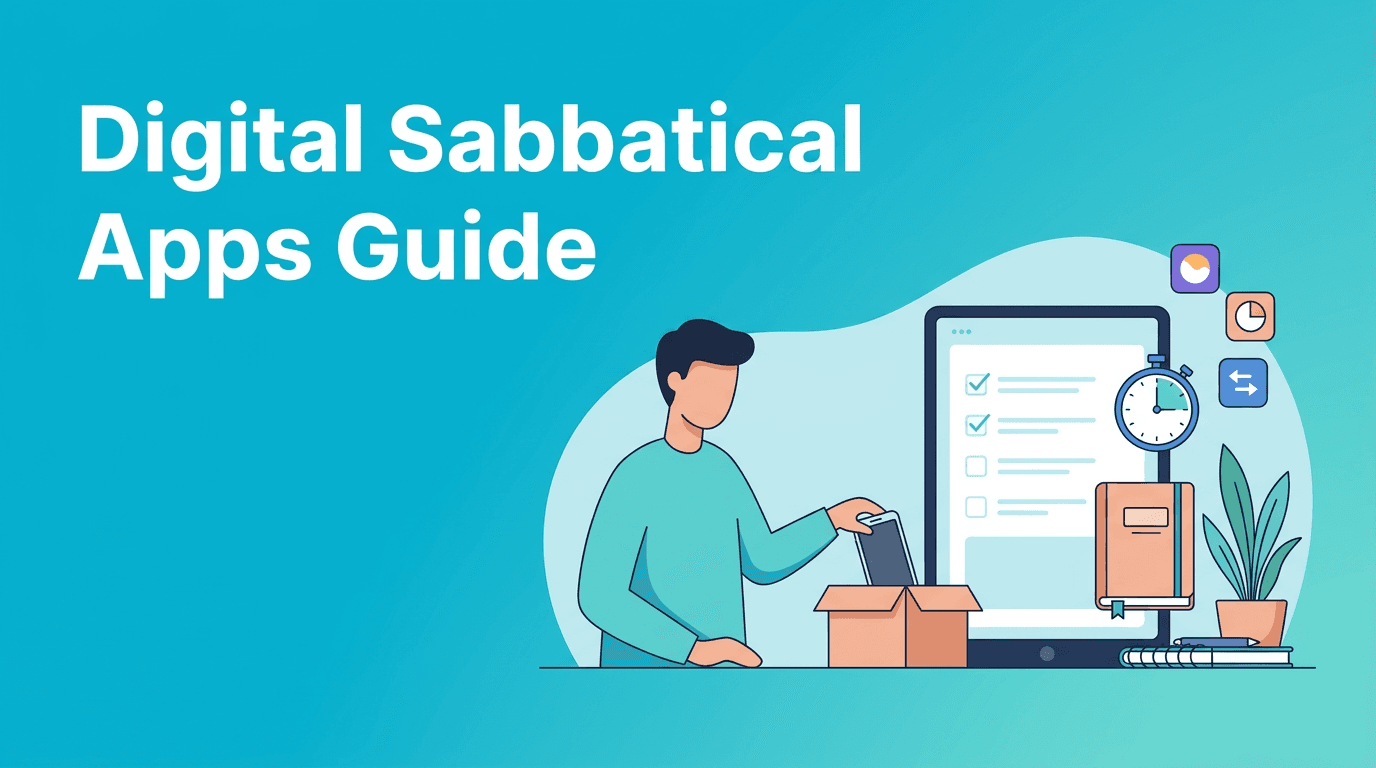
Digital sabbatical apps sound a little contradictory at first. If you want less tech, why use more apps? But that question sits at the heart of digital minimalism today. The goal is not to reject technology, it is to use it with more intention. The best tools help you lower screen time, filter noise, and make space for better thinking instead of constant tapping.
Why a digital sabbatical needs structure, not willpower
Most people do not struggle because they lack discipline. They struggle because their phones are designed to be frictionless, stimulating, and always available. A digital sabbatical is easier when you create small barriers between impulse and action. That is where carefully chosen apps can help. Used well, they become guardrails, not distractions.
- Block the obvious triggers like social feeds, autoplay video, and nonessential notifications.
- Replace mindless habits with tools for journaling, breathing, planning, or reading.
- Track patterns so you can see when boredom, stress, or procrastination sends you back to your phone.
- Use AI tools selectively for reflection and planning, not endless content generation.
The new rule of digital minimalism: fewer apps, clearer jobs
One reason self-improvement tech becomes overwhelming is app overlap. You download one app for habits, one for notes, one for meditation, one for planning, and three more for motivation. Soon your home screen becomes a to-do list. A better approach is to keep a small stack of apps where every tool has one clear purpose.
What to keep on your phone
- A barrier app that limits distracting platforms or sets app timers.
- A reflection app for journaling, mood notes, or coaching check-ins.
- A focus app with timers, ambient sessions, or guided work blocks.
- A recovery app for breathing, meditation, or sleep support.
This is where app recommendations matter. You do not need the most powerful platform. You need the one you will actually use when your attention starts slipping.
"Technology works best for personal growth when it creates clarity, not more choices."
How AI tools fit into a healthier tech routine
A lot of people hear AI tools and imagine more speed, more output, and more notifications. But AI can also support slower, more reflective behavior. The healthiest use case is not asking AI to do everything for you. It is asking it to help you notice patterns, set priorities, and reset when your day starts drifting.
For example, Haply takes a more guided approach than many generic chatbot apps. It is an AI life coaching app for iOS and Android that helps users work on areas like productivity, wellness, learning, career, finances, creativity, and relationships. Instead of pushing more content at you, it can support chat-based coaching, daily check-ins, habit tracking, and mini-tools like a Focus Timer, Task Planner, breathing support, sleep stories, and an Idea Board. For someone trying to build a digital sabbatical routine, having several support tools in one place can reduce app clutter.
What good AI support looks like
- It helps you reflect, instead of keeping you endlessly scrolling.
- It offers short prompts or coaching questions when you feel stuck.
- It supports daily habits with reminders and streaks, but does not overwhelm you.
- It brings multiple functions together so your self-improvement system stays simple.
Want a calmer way to use self-improvement tech?
Try Haply if you want AI-guided support for habits, focus, wellness, and daily structure without juggling a pile of separate apps.
Try Haply FreeA 7-day digital sabbatical plan using apps intentionally
Day 1: Audit your attention
Check your weekly phone report and write down your top time-wasting behaviors. Do not judge them. Just notice them. The point is to find the moments where screen time expands without giving much back.
Day 2: Remove frictionless temptations
Delete one high-noise app from your home screen, log out of one platform, and turn off nonessential notifications. Keep the tools you truly need, but make reactive behavior slightly less automatic.
Day 3: Add one intentional replacement
Install or commit to one app that supports your goals directly. This could be a coaching app, a timer, a reading tool, or a journaling space. The replacement matters because empty space often gets filled by old habits.
Day 4: Use AI for a daily check-in
Spend five minutes asking an AI coach or guided reflection tool questions like: What pulled my attention today? What actually helped? What should I reduce tomorrow? This is where digital sabbatical apps become useful, because they turn vague frustration into visible patterns.
Day 5: Create a low-stimulation morning
Delay social apps for the first 30 minutes after waking up. Open only one intentional app, such as a planner, breathing tool, or journal. This one shift often changes the tone of the entire day.
Day 6: Build a shutdown ritual
Before bed, use a short checklist: review tomorrow's priorities, set one reminder, and start a wind-down tool like breathing or sleep audio. Digital wellness improves when your evenings stop being random.
Day 7: Decide what stays
Keep only the apps that clearly support your goals. If a tool creates noise, guilt, or compulsive checking, it does not belong in your core system. This is the real practice of digital minimalism.
What this says about the future of technology
The future of technology for personal growth will not belong only to the smartest app. It will belong to the most trustworthy one. People are getting better at spotting the difference between tools that capture attention and tools that protect it. The next wave of meaningful products will likely be quieter, more personalized, and more supportive of boundaries.
- Expect more context-aware AI tools that help with routines instead of endless content creation.
- Expect stronger demand for all-in-one wellness systems that reduce app overload.
- Expect users to value privacy, calm design, and low-friction habits more than novelty.
- Expect the best app recommendations to focus on fit and behavior change, not feature count.
The simple test for every app you use
Ask one question: does this app leave me more focused, more grounded, or more capable after I close it? If the answer is no, it may not deserve a place in your digital life. The best digital sabbatical apps do not try to become your entire world. They help you return to your real one.
Frequently Asked Questions
What are digital sabbatical apps?
Digital sabbatical apps are tools that help you step back from distracting tech habits. They can limit access to attention-grabbing apps, support reflection, and encourage more intentional routines.
How can I reduce screen time without deleting every app?
Start by removing triggers, turning off nonessential notifications, and keeping only apps with a clear purpose. Using a few supportive tools is often more realistic than quitting everything at once.
Are AI tools good for digital minimalism?
They can be, if they help you reflect, plan, and build habits instead of adding more noise. The key is to use AI tools for guidance, not constant stimulation.
What is the best app setup for digital wellness?
A simple setup usually works best: one barrier app, one reflection or coaching app, one focus tool, and one recovery tool for sleep or mindfulness. Fewer apps with clearer roles tend to support better habits.