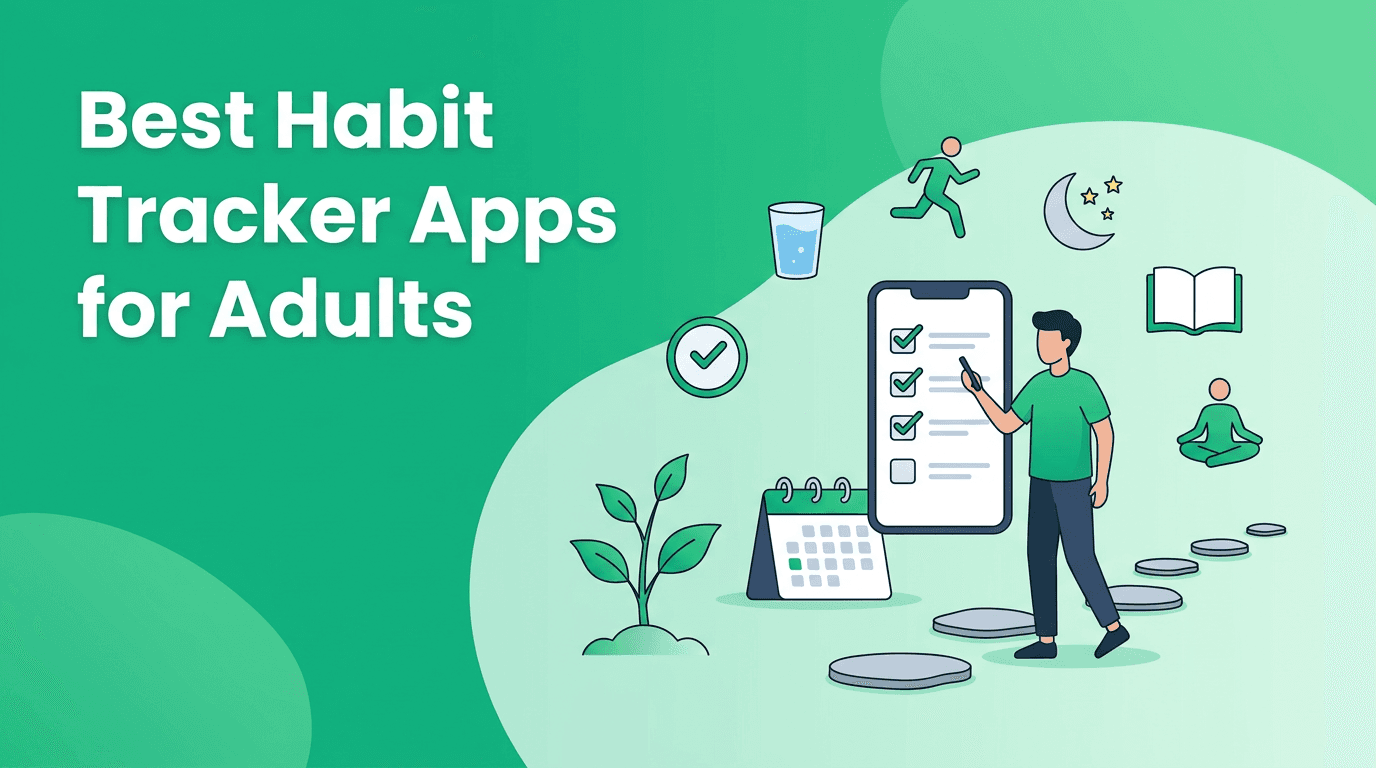
Best Habit Tracker Apps for Adults: What Actually Helps You Stay Consistent
Looking for the best habit tracker apps? This practical guide compares features that matter most, from reminders to AI tools, so you can choose a system that supports real consistency.
By Haply Team
Haply Editorial Team
Choosing the right habit tracker apps can make the difference between a routine that fades after a week and one that becomes part of daily life. With so many best apps, AI tools, and productivity apps promising better discipline, it helps to know which features actually support consistency, especially if you want practical self-improvement apps instead of more digital noise.
Why habit tracker apps still matter in a crowded app market
Many people download general-purpose digital tools and hope motivation will do the rest. In practice, habits stick when the system is simple, visible, and easy to revisit. The best habit tracker apps reduce friction by turning vague intentions into specific actions, reminders, and progress signals you can see.
- Visibility helps you remember what you planned to do
- Streaks and progress history make effort feel tangible
- Reminders reduce the mental load of remembering everything yourself
- Small daily check-ins create momentum without requiring long sessions
"You do not rise to the level of your goals. You fall to the level of your systems."
What to look for in the best habit tracker apps
1. Fast daily logging
If checking off a habit takes too many taps, you will eventually stop doing it. The strongest productivity apps for habits make completion frictionless, especially on busy weekdays.
2. Flexible reminders and scheduling
A useful app should support recurring habits, rest days, and different frequencies. Not every goal belongs on a rigid daily schedule, and strong self-improvement apps account for that.
3. Progress that teaches you something
Good tracking should show patterns, not just streaks. Look for weekly summaries, missed-day trends, and habit correlations. This is where newer AI tools can help by turning raw data into simple coaching insights.
4. Support beyond tracking
Some of the best apps do more than count completions. They also help you plan tasks, reset after missed days, and connect habits to bigger goals like better sleep, calmer mornings, or stronger focus.
A practical comparison: simple trackers vs AI-guided self-improvement apps
Traditional habit tracker apps are often ideal if you want a clean checklist and nothing more. They work well for people who already know what habits to build and simply need reminders and accountability. But if you struggle with consistency because your schedule changes, your goals are unclear, or you lose momentum after setbacks, AI-supported apps can offer more context.
- Basic trackers are best for straightforward routines like water, vitamins, or walking
- AI tools are better when you want guidance on what to build, how much to do, and how to recover after inconsistency
- All-in-one self-improvement apps help when habits connect to multiple areas like productivity, wellness, learning, and career growth
This is where Haply stands out as more than a tracker. On iOS and Android, it combines chat-based AI coaching with habit tracking, streaks, daily reminders, and mini-apps like Focus Timer, Task Planner, Meditation/Breathe, Sleep Stories, Budget Tracker, and Idea Board. Instead of treating habits as isolated checkboxes, it connects them to the wider systems that shape your day.
Want a habit app that also coaches you?
Try Haply if you want habit tracker apps plus personalized AI guidance for productivity, wellness, learning, career, finance, creativity, and relationships.
Try Haply FreeHow to choose the right app for your habit style
If you like structure
Choose an app with recurring schedules, strong reminders, and visible streaks. You will benefit most from tools that make repetition obvious and rewarding.
If you get bored easily
Look for digital tools with milestone systems, achievements, or varied coaching prompts. Novelty can help maintain engagement when discipline alone is not enough.
If you often restart
Pick an app that helps you recover quickly instead of punishing missed days. Some AI tools are especially useful here because they can suggest smaller next steps and realistic resets.
If your goals span multiple life areas
Consider broader self-improvement apps rather than single-purpose trackers. A habit like "sleep by 11" may be connected to stress, work planning, and evening screen use, so an integrated app can be more useful than a standalone checklist.
A simple 5-minute setup that improves your odds
- Pick one to three habits only for your first week
- Make each habit specific and measurable
- Set reminders for times when you are realistically available
- Decide what counts as a minimum win on low-energy days
- Review your progress once a week and adjust, do not just push harder
This setup matters more than finding a perfect interface. Even the best habit tracker apps work poorly when goals are too ambitious or vague. Start smaller than you think you need, then scale once consistency feels normal.
The bottom line on habit tracker apps
The best choice depends less on app-store popularity and more on whether a tool matches your behavior. If you want a lightweight checklist, basic trackers may be enough. If you want habit support tied to coaching, planning, motivation, and daily reflection, broader productivity apps like Haply offer more leverage. The goal is not to track perfectly. It is to make consistency easier.
Frequently Asked Questions
What are the best habit tracker apps for adults?
The best habit tracker apps for adults are the ones that make daily logging simple, offer useful reminders, and match your routine style. Some people do well with basic trackers, while others benefit from AI-guided apps like Haply.
Are AI habit tracker apps better than regular habit apps?
AI habit tracker apps can be better if you need guidance, personalized suggestions, or help recovering after missed days. Regular apps are often enough if you already know exactly what habits you want to track.
How many habits should I track at once?
Most people do better starting with one to three habits. A smaller set is easier to maintain and gives you a better chance of building consistency before adding more.
Do habit tracker apps actually improve productivity?
They can improve productivity by reducing mental load, making priorities visible, and reinforcing repeated actions. They work best when habits are clearly defined and tied to real goals.