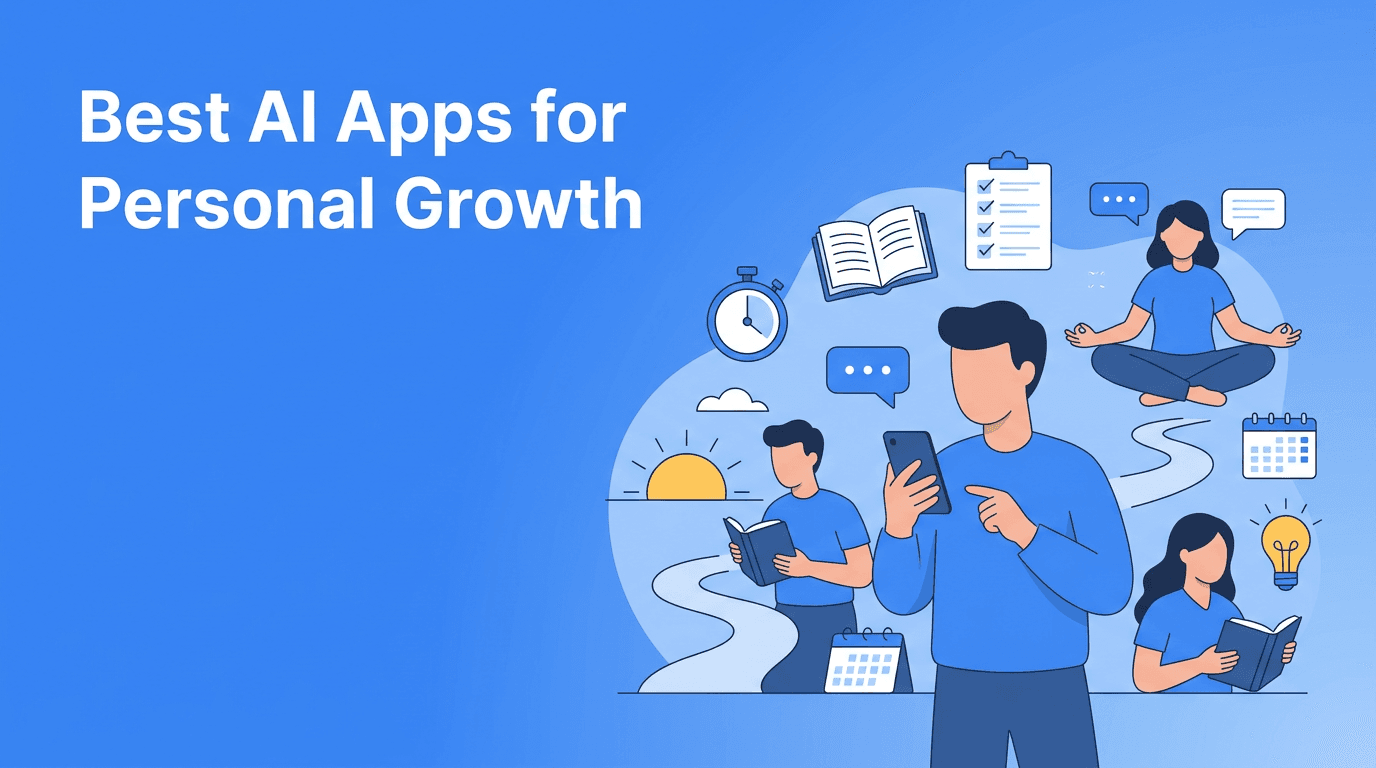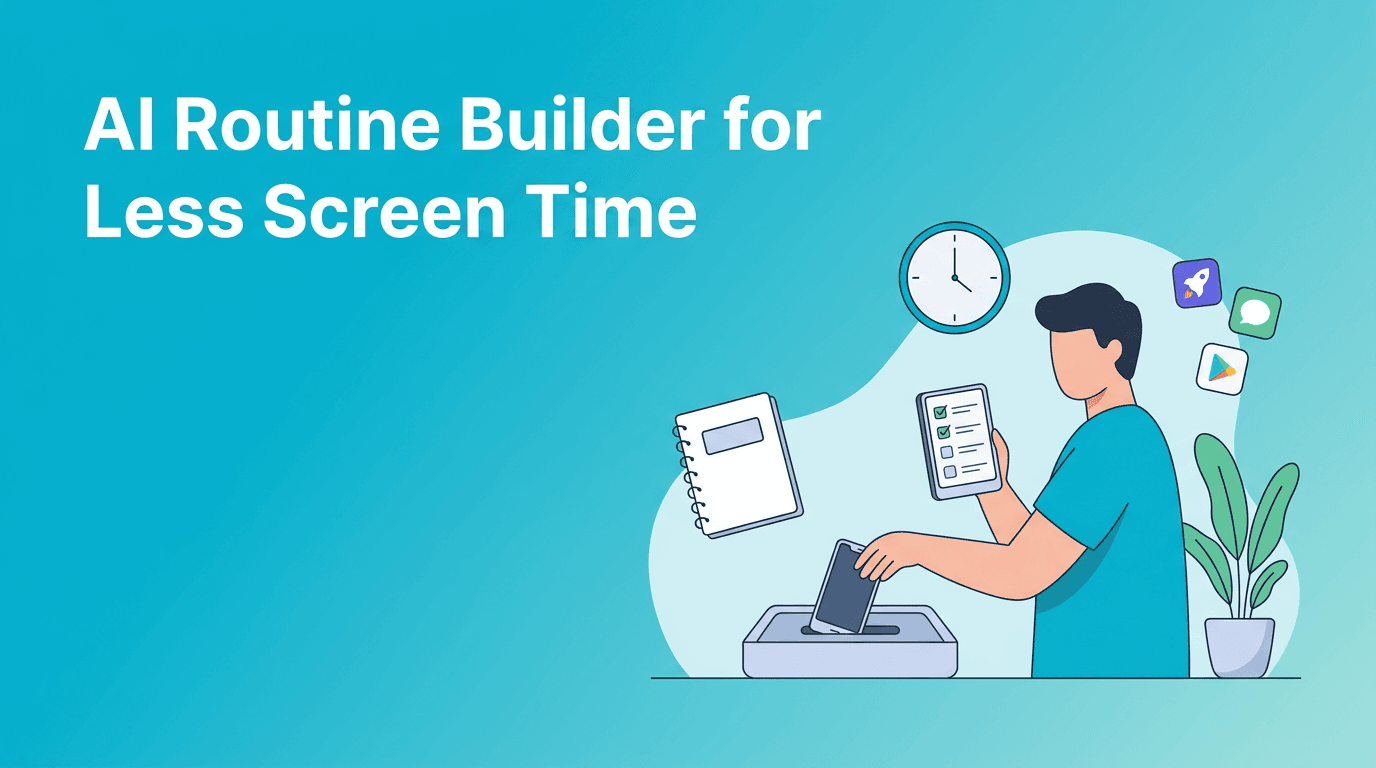
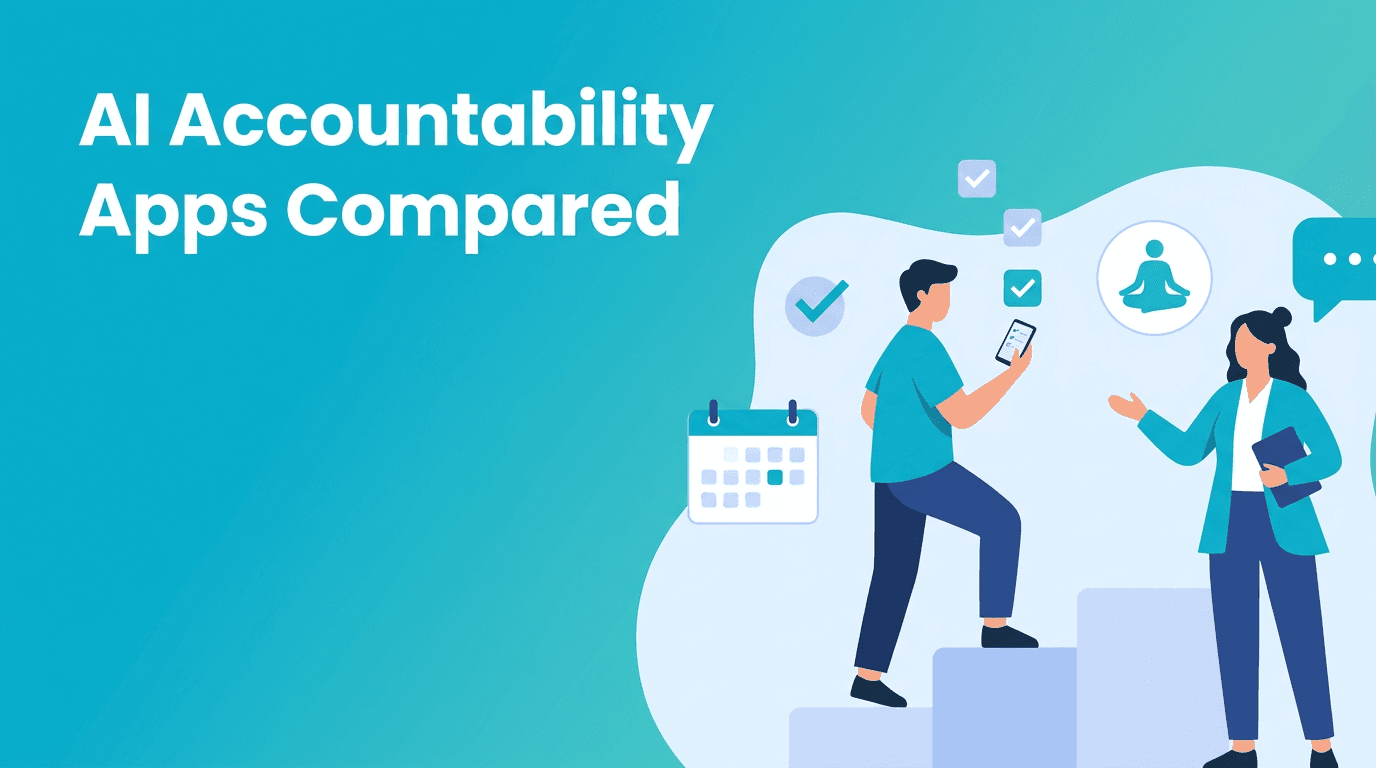
AI Accountability Apps: An App Comparison for Staying Consistent Without Burnout
Looking for AI accountability apps that actually help you follow through? This app comparison explores coaching apps, digital wellness features, and how Haply supports steady progress.
By Haply Team
Haply Editorial Team
If you have ever downloaded a self-improvement app, used it for three days, and forgotten about it by Friday, you are not alone. AI accountability apps are becoming popular because they promise something simple but powerful: help you follow through without needing a human coach on call 24/7. But not every app does this well, and an honest app comparison shows that the best tools are not always the ones with the most features.
This article takes a specific angle: how to choose from coaching apps when your real goal is not maximum productivity, but consistent progress with less pressure. We will look at what makes AI coaching effective, where many apps fall short, and how a platform like Haply fits into a healthier approach to digital wellness.
Why AI accountability apps feel different from normal habit trackers
Traditional habit apps often work like scoreboards. You log a streak, miss a day, feel bad, and quietly stop opening the app. The better AI accountability apps shift the experience from tracking to guided reflection. Instead of asking only, "Did you do it?", they can also ask, "What got in the way today?" and "What is the smallest next step you can take?"
- Basic trackers focus on checkmarks and streaks
- Coaching apps add context, encouragement, and adjustment
- AI coaching can personalize prompts based on your goals, energy, and routines
- Digital wellness features help prevent the app itself from becoming another stress source
"Consistency grows faster when support feels human, even when the system is digital."
What to look for in an app comparison of accountability tools
A useful app comparison should go beyond surface details like interface design or number of templates. If your aim is sustainable self-improvement, compare apps across four practical dimensions: personalization, feedback quality, behavior support, and emotional tone.
1. Personalization that starts early
Strong tools personalize from onboarding. They ask about your goals, challenges, and priorities before suggesting routines. This matters because generic plans often fail fast. Haply, for example, uses goal-based onboarding to shape your experience from day one, which makes the advice feel more relevant instead of prewritten.
2. Coaching that adapts, not nags
Many apps confuse reminders with accountability. Real AI coaching adapts when life changes. If you miss a habit, the app should help you reset intelligently, not just send another notification. Look for chat-based coaching, flexible planning, and prompts that help you problem-solve rather than feel judged.
3. Tools that support action inside the app
One hidden advantage in better coaching apps is that they reduce friction. Instead of telling you to focus, reflect, or breathe somewhere else, they include mini-tools that support the next action immediately. That can mean a Focus Timer, a task planner, breathing exercises, or a place to capture ideas before they disappear.
4. Digital wellness by design
The best personal growth apps should improve your relationship with technology, not make it more compulsive. Features like calmer interfaces, intentional reminders, and short guided check-ins support digital wellness. If an app relies on urgency, guilt, or endless tapping, it may work against the habits you are trying to build.
App comparison: three styles of accountability apps
Instead of ranking random products in a giant list, it is more useful to compare categories. Most AI accountability apps fall into one of these three styles, and your fit depends on what kind of support keeps you moving.
- Streak-first apps: best for people who are already motivated and just want visible tracking
- Coach-first apps: best for people who need reflection, flexibility, and encouragement
- System-first apps: best for people who want planning tools, routines, and structure in one place
Where Haply stands
Haply fits closest to the coach-first and system-first categories. It combines chat-based AI support with specialized coaches across Productivity, Wellness, Career, Learning, Finance, Creativity, and Relationships. That matters because accountability is rarely about one isolated habit. A sleep issue can hurt focus. Career stress can affect workouts. Better coaching apps recognize the connection.
Beyond coaching chat, Haply includes practical mini-apps like Task Planner, Focus Timer, Meditation/Breathe, Sleep Stories, Budget Tracker, and Idea Board. For users who want fewer fragmented tools, this creates a more connected self-improvement system instead of another standalone reminder app.
Want accountability that feels supportive?
Try Haply for chat-based AI coaching, habit tracking, daily reminders, and mini-tools that help you act on your goals without overwhelm.
Try Haply FreeHow to choose the right AI coaching app for your personality
Choosing between coaching apps is easier when you stop asking, "Which app is best?" and start asking, "Which type of support helps me continue after a bad week?" That question leads to smarter decisions.
- If you resist rigid systems, choose AI coaching with flexible check-ins and conversational support
- If you forget goals easily, choose an app with a clear Today Dashboard and daily overview
- If motivation drops when progress feels invisible, look for level progression, achievements, and streaks
- If stress is your main blocker, prioritize digital wellness tools like breathing sessions and sleep support
- If you juggle multiple life areas, use an app like Haply that connects coaching across different goals
A practical setup for using AI accountability apps without burnout
Even the best app will fail if you overload it with ten goals at once. A smarter way to use AI accountability apps is to build a light system you can maintain on busy days.
- Pick one primary goal for the next 14 days
- Add one support habit that makes the main goal easier
- Use the app at the same time each day for a short check-in
- Review missed days with curiosity, not self-criticism
- Use built-in tools immediately, such as a focus timer or breathing session, instead of postponing action
"The best accountability system is the one you can return to the day after you slip."
This is where app design really matters. A well-built experience lowers the emotional cost of restarting. That is one reason many users are moving from simple trackers toward more adaptive AI accountability apps.
Final takeaway: compare support quality, not just features
A strong app comparison should help you evaluate how an app responds to real life, not just how many buttons it has. The most useful coaching apps combine guidance, action tools, and a healthier approach to digital wellness. If you want accountability that feels personalized and practical, Haply is worth considering, especially if you prefer AI coaching that connects multiple areas of growth instead of treating habits in isolation.
Frequently Asked Questions
What are AI accountability apps?
AI accountability apps use personalized prompts, coaching, and progress tracking to help you stay consistent with goals. The best ones adapt when your routine changes instead of only counting streaks.
How do AI accountability apps differ from habit trackers?
Habit trackers mainly record whether you completed a task. AI accountability apps add reflection, personalized guidance, and suggestions for what to do next when motivation drops.
Are coaching apps good for digital wellness?
Yes, if they are designed to reduce stress and support intentional use. Look for coaching apps that include calm reminders, short check-ins, and wellness tools rather than constant notifications.
What makes Haply different from other coaching apps?
Haply combines chat-based AI coaching with specialized coaches across life areas, habit tracking, and mini-apps like Focus Timer, Meditation/Breathe, and Task Planner. This makes it useful for people who want support and action in one place.
Can AI coaching actually help you stay consistent?
It can, especially when the app personalizes guidance and helps you recover after missed days. Consistency improves when support feels relevant, flexible, and easy to use.