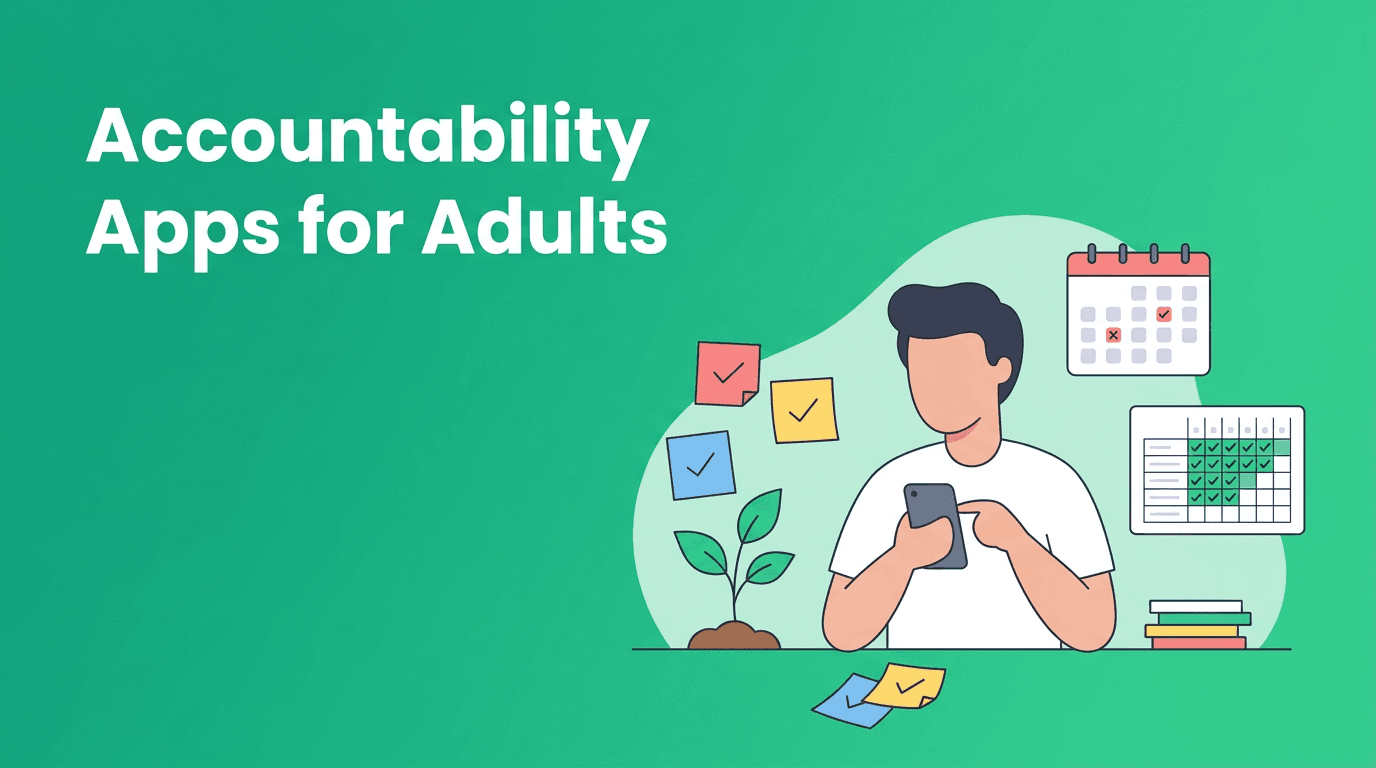
Accountability Apps for Adults: An App Comparison of AI Coaching and Habit Support
Looking for better accountability apps? This app comparison explores how AI coaching, habit tracking, and digital wellness features can help adults stay consistent.
By Haply Team
Haply Editorial Team
If you have ever downloaded a dozen productivity tools only to abandon them a week later, accountability apps may be the missing layer. The best ones do more than store tasks. They create structure, reflection, and momentum, especially when AI coaching and digital wellness features are built into the experience.
Why accountability apps feel more useful than basic to-do lists
A traditional task app answers one question: What do I need to do? Strong coaching apps answer a harder one: What will help me actually follow through? That difference matters for anyone trying to build routines, stay focused, or make consistent progress in work and life.
- Task apps capture actions, but often stop at organization.
- Accountability apps add reminders, streaks, check-ins, and progress feedback.
- AI coaching tools can personalize prompts based on your goals, patterns, and obstacles.
- Digital wellness features help users avoid the trap of becoming more overwhelmed by more apps.
What to look for in an app comparison for accountability tools
Not every app comparison is useful. Many list features without explaining how they affect real behavior. When comparing accountability apps, focus on whether the app helps you start small, recover after missed days, and connect daily actions to meaningful goals.
The five features that matter most
- Personalized guidance - Generic reminders are easy to ignore. Tailored prompts are harder to dismiss.
- Habit systems - Look for streaks, recurring actions, and clear progress views.
- Reflection tools - Quick check-ins can reveal why you stall, not just when.
- Low-friction design - If logging progress feels like homework, consistency drops.
- Wellness support - Focus timers, breathing tools, and sleep support can improve follow-through indirectly.
"Consistency is rarely a motivation problem. More often, it is a system problem."
App comparison: where different coaching apps fit best
A practical app comparison starts by separating apps by their core job. Some are built for pure task management, some for habits, and some for guided self-improvement. The best choice depends on whether you need organization, encouragement, or behavior change support.
1. Task-first apps
Task-first apps are useful for projects, deadlines, and team workflows. They are less effective when your real challenge is procrastination, inconsistency, or emotional resistance. If you already know what to do but do not do it, a task list alone may not solve the problem.
2. Habit-first apps
Habit apps usually excel at repetition. They make streaks visible and can turn routines into a game. But some offer limited context, which means they track behavior without helping you understand why a habit breaks.
3. AI-guided coaching apps
This is where newer coaching apps stand out. Apps that combine chat-based support, structured goals, and wellness tools can act like a lightweight coach in your pocket. Instead of only recording habits, they help you troubleshoot them in real time.
Haply is a strong example in this category. As an AI life coaching app on iOS and Android, it combines personalized coaching across Productivity, Wellness, Career, Learning, Finance, Creativity, and Relationships with practical tools like a habit tracker, Focus Timer, Task Planner, Meditation/Breathe, Sleep Stories, and a personalized Today Dashboard. That mix makes it more versatile than single-purpose habit apps.
Want accountability that feels personal?
Try Haply if you want chat-based guidance, goal-based onboarding, habit streaks, and digital wellness tools in one place.
Try Haply FreeHow accountability apps support digital wellness, not just productivity
One reason people quit self-improvement tools is that the stack becomes exhausting. Accountability apps work best when they support digital wellness instead of adding more noise. That means fewer dashboards to manage, better reminders, and tools that reduce mental clutter.
- Focus timers help you protect attention during short work sessions.
- Breathing or meditation tools can lower stress before starting difficult tasks.
- Daily dashboards reduce app switching by keeping priorities in one place.
- Achievements and levels can make progress visible without making the experience feel punishing.
Who should choose Haply in this app comparison
If you want a single app that blends AI coaching, practical planning, and wellness support, Haply is especially appealing. Its goal-based onboarding personalizes the experience early, and the chat-based coaching format can feel more supportive than static habit trackers. The 7-day free trial also makes it easy to test whether the structure matches your needs before committing.
Haply may fit you well if...
- You want accountability apps that do more than send reminders.
- You like the idea of AI coaching but want it connected to daily actions.
- You are trying to improve across multiple life areas, not just productivity.
- You prefer one app with integrated tools over a fragmented self-improvement stack.
A simple way to test any accountability app for 7 days
Before committing to a new tool, run a small experiment. Choose one meaningful habit or goal, use the app daily for one week, and track whether it changes your behavior, not just your intentions. The right app should make action easier, reflection clearer, and missed days easier to recover from.
- Pick one goal only, such as morning planning or evening reflection.
- Use the app at the same time each day.
- Notice whether prompts feel helpful or easy to ignore.
- Track how quickly you return after missing a day.
- At the end of the week, ask: did this app reduce friction or add it?
Frequently Asked Questions
What are the best accountability apps for adults?
The best accountability apps for adults combine reminders, habit tracking, and personalized support. For users who want guidance as well as tracking, AI-powered options like Haply can be especially useful.
How is an accountability app different from a to-do list app?
A to-do list app mainly organizes tasks, while an accountability app helps you follow through with check-ins, streaks, reminders, and progress feedback.
Are AI coaching apps good for building habits?
Yes, AI coaching apps can help with habit-building because they offer personalized prompts, reflection, and real-time support instead of simple tracking alone.
How does Haply support digital wellness?
Haply supports digital wellness with tools like Focus Timer, Meditation/Breathe, Sleep Stories, and a Today Dashboard that keeps goals and routines organized in one place.