Self Reflection Questions That Actually Change Your Personal Growth
Want deeper personal growth without vague journaling prompts? These self reflection questions help build self-awareness, confidence, better habits, and real self-improvement.

By Haply Team
Haply Editorial Team
Most people say they want personal growth, but then ask themselves questions that are too vague to create change. Self reflection questions work best when they push you to notice patterns, challenge your mindset, and make one clear adjustment. If you want self-improvement that feels real, the quality of your questions matters more than the length of your journal entry.
Why self reflection questions work better than random journaling
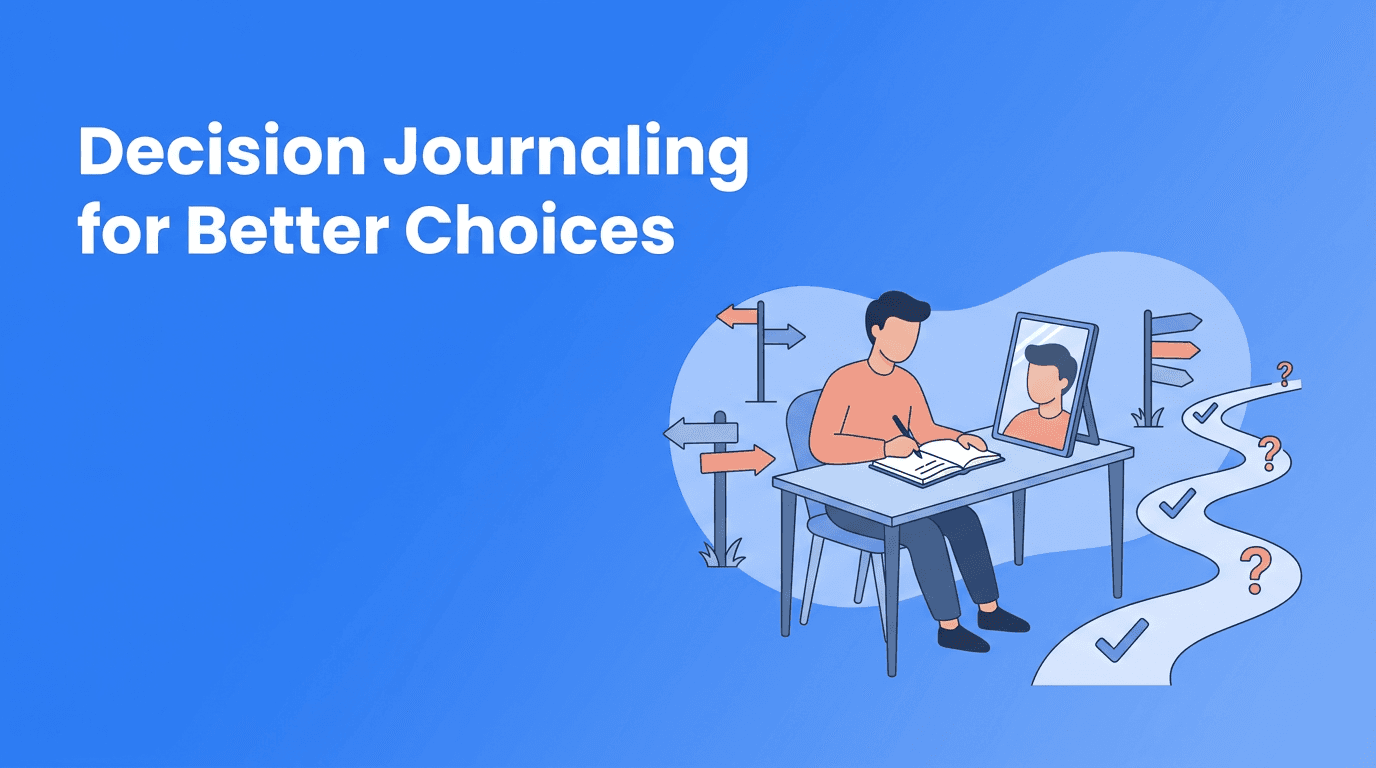
A blank page can be helpful, but it can also turn into a daily brain dump with no direction. Self reflection questions give your thoughts structure. Instead of circling the same worries, you start spotting the beliefs, triggers, and routines shaping your life.
That is where self-awareness starts. You begin to see why your habits repeat, why your confidence drops in certain situations, and why your goals keep stalling. Reflection is not just about understanding yourself. It is about understanding yourself well enough to act differently.
"You do not change your life by trying harder every day. You change it by seeing yourself more clearly."
The 5 types of self reflection questions that create real self-improvement
1. Questions that reveal hidden mindset patterns
- What story am I repeating about myself right now? This helps uncover limiting beliefs hiding under stress or frustration.
- Where am I assuming failure before I even begin? A useful prompt when fear is disguised as logic.
- What would I try if I trusted myself 10 percent more? Great for expanding action without waiting for perfect confidence.
2. Questions that strengthen self-awareness
- What drained me today, and what energized me? This helps you notice emotional patterns instead of ignoring them.
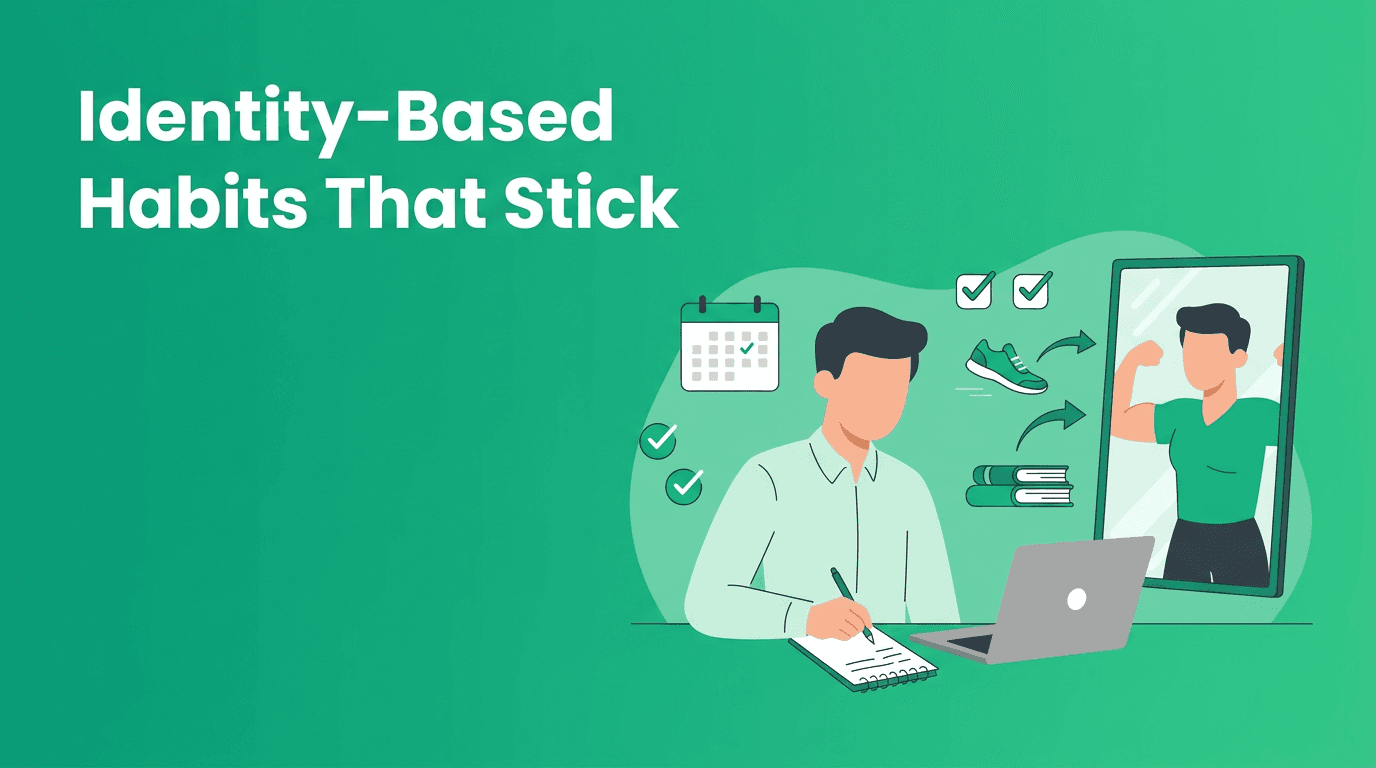
- When did I feel most like myself this week? A strong prompt for reconnecting with your values and identity.
- What emotion have I been avoiding by staying busy? Many productivity struggles are really emotional avoidance in disguise.
3. Questions that improve habits
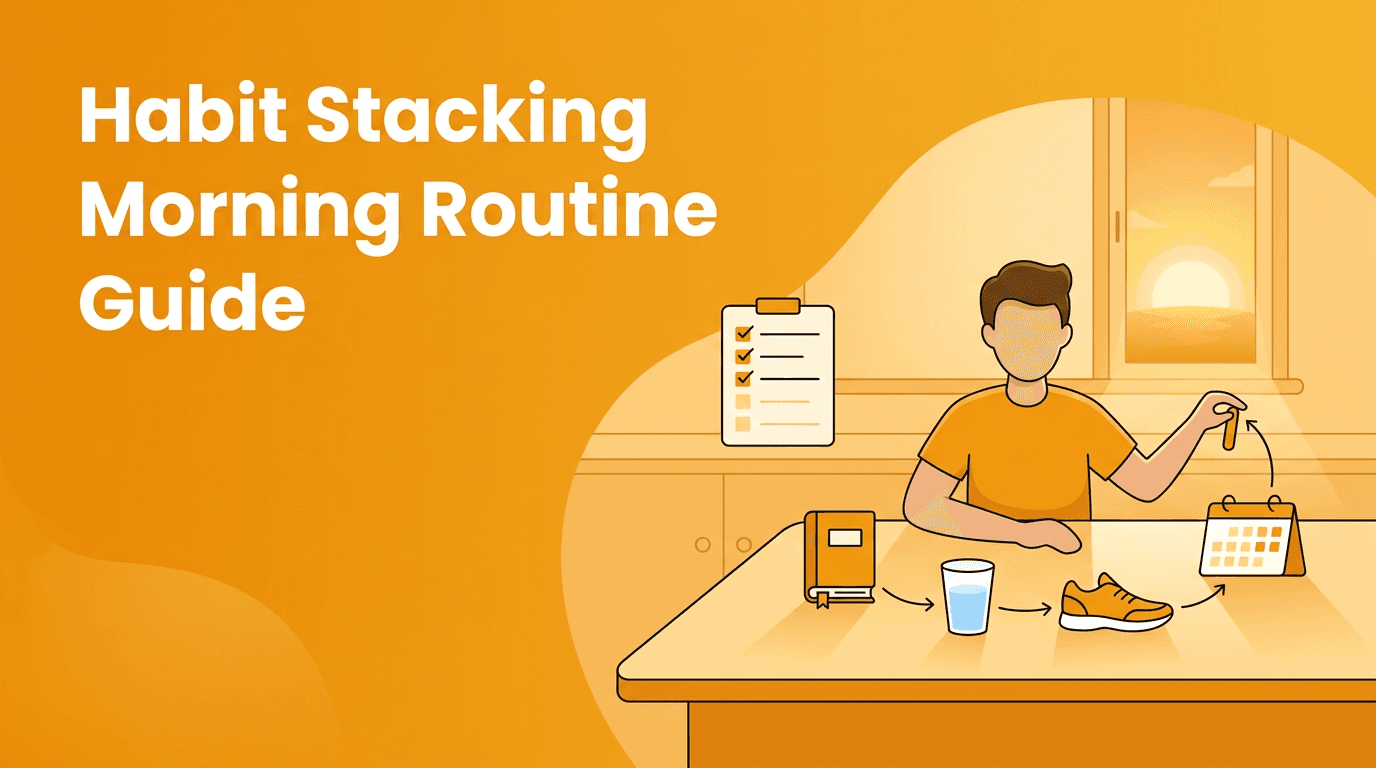
- Which habit is helping me most right now, and why does it work? Keep what is already effective.
- What tiny behavior keeps creating outsized problems? Small patterns often cause the biggest friction.
- What is one habit I can make easier by reducing steps? Better systems beat stronger willpower most days.
4. Questions that build confidence
- What proof do I already have that I can handle hard things? Confidence grows faster when backed by evidence.
- Where am I waiting to feel ready instead of getting ready through action? This question cuts through hesitation.
- What win have I minimized lately? Recognizing progress helps rebuild self-belief.
5. Questions that turn reflection into action
- What is the main lesson from this week? Keep it short and practical.
- What needs to change next, my environment, my schedule, or my expectations? This prevents vague promises.
- What is one action I will take in the next 24 hours? Reflection without action stays theoretical.
A simple 10-minute weekly reflection ritual
You do not need an elaborate routine for self reflection questions to work. Try this once a week:
- Spend 2 minutes reviewing your week. Look at your calendar, notes, or messages.
- Spend 5 minutes answering one question from each category: mindset, self-awareness, habits, confidence, and action.
- Spend 3 minutes choosing one adjustment for the next seven days. Make it specific and visible.
This ritual keeps personal growth grounded in real life. It also prevents reflection from becoming overthinking. The goal is not to analyze yourself endlessly. The goal is to notice, learn, and move.
Make reflection easier with Haply
If you want support turning insights into action, Haply can help. The app offers chat-based AI coaching, habit tracking, daily reminders, and tools like the Task Planner and Today Dashboard to keep your self-improvement focused and consistent.
Try Haply FreeCommon mistakes people make with self reflection
- They reflect only when something goes wrong. Reflection also helps reinforce what is working.
- They ask abstract questions. Questions like "Who am I?" can be interesting, but specific prompts create better change.
- They confuse insight with progress. Understanding a pattern is powerful, but action is what changes it.
- They use reflection to judge themselves. Honest reflection should increase clarity, not shame.
A healthier mindset is to treat reflection like feedback, not a verdict. You are collecting useful information, not building a case against yourself.
How to use self reflection questions when life feels messy
When life feels overwhelming, simplify the process. Ask only three things: What am I feeling? What is causing it? What is one helpful next step? That alone can restore self-awareness and momentum.
If you prefer guided support, Haply can personalize your growth journey through goal-based onboarding and specialized AI coaches for productivity, wellness, career, learning, and more. It is especially useful when you want structure without making your routine complicated.
Frequently Asked Questions
What are the best self reflection questions for personal growth?
The best questions are specific and action-oriented, such as what drained your energy, what belief held you back, and what one change you will make next.
How often should I use self reflection questions?
A short daily check-in or a deeper weekly session works well for most people. Consistency matters more than length.
Can self reflection questions improve confidence?
Yes. They help you notice evidence of progress, challenge self-doubt, and act before you feel perfectly ready.
What is the difference between journaling and self reflection questions?
Journaling is open-ended, while self reflection questions provide structure. Questions are often better when you want clarity, self-awareness, and practical change.
How do I stay consistent with self-improvement practices?
Keep the process simple, attach it to an existing routine, and use tools like reminders, habit tracking, or AI coaching for extra support.