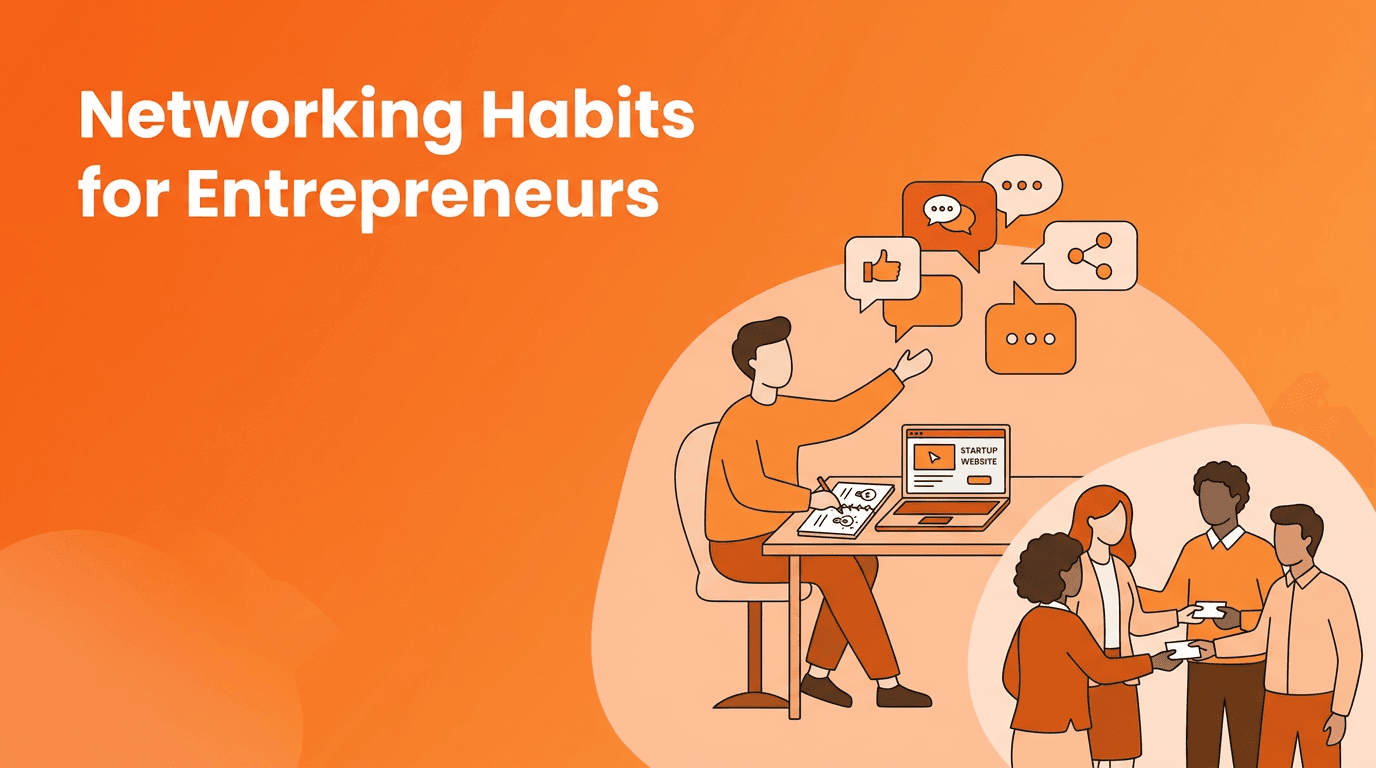
Startup Networking Strategies for Building an Online Business That People Trust
Startup networking strategies can help you grow an online business, strengthen entrepreneurship skills, and build trust faster through genuine relationships and smart visibility.


By Haply Team
Haply Editorial Team
Startup networking is not just about collecting contacts. It is about building a circle of people who can open doors, share insight, and help your online business earn trust before your brand is widely known. For founders and aspiring entrepreneurs, the right relationships often create momentum faster than another week spent tweaking a logo or website.
If you are building in public, launching a service, or trying to grow your personal branding as a founder, networking can feel awkward at first. The good news is that effective relationship-building is a skill, not a personality trait. You do not need to be the loudest person in the room. You need a repeatable system.
Why startup networking matters more than most founders expect
Many people think growth comes only from better products, better ads, or more content. Those matter. But entrepreneurship is also a trust game. People buy, refer, invest attention, and collaborate when they feel connected to the person behind the work. That is why startup networking plays such a powerful role in early traction.
- Relationships reduce friction. Warm introductions get faster replies than cold outreach.
- Networking improves learning speed. You hear what customers, peers, and mentors actually care about.
- Your reputation compounds. A strong founder presence supports both personal branding and sales.
- Opportunities multiply. Podcasts, partnerships, referrals, and collaborations often start with one conversation.
The 4-part startup networking system
1. Build a clear founder identity
Before reaching out to anyone, define what you want to be known for. The best startup networking starts with clarity. Ask yourself: What problem do I solve? Who do I help? What perspective makes my work different? When your message is simple, people remember you and refer you more easily.
- Write a one-sentence founder introduction that explains your startup clearly.
- Choose 2 or 3 topics you want your online business to be associated with.
- Share short insights consistently on LinkedIn, X, or your preferred platform to support your personal branding.
2. Start with warm and adjacent circles
You do not need to begin with famous founders or major investors. Start with people one step away from your current world. Former coworkers, classmates, niche community members, creators in your industry, and clients from past projects are often the best first layer of contacts.
This approach makes networking feel more natural and less transactional. Instead of asking for favors, you are restarting conversations, sharing what you are building, and learning what others need right now.
3. Lead with contribution, not self-promotion
One of the biggest mistakes in entrepreneurship networking is treating every interaction like a pitch. Strong relationships grow when you become useful. Share a resource. Make an introduction. Offer feedback. Highlight someone else's work. Small acts of generosity make your name memorable for the right reasons.
"Your network grows faster when people feel helped, not handled."
4. Create a follow-up rhythm
Most founders do the hard part once, then disappear. Real startup networking happens in the follow-up. Send a quick note after a conversation. Mention something specific you learned. Reconnect after a few weeks with an update, a relevant article, or a simple check-in.
- After every call or event, write down one personal detail and one business detail.
- Set a recurring reminder to reconnect with 5 people each week.
- Use a simple tracker to log conversations, referrals, and next steps.
How networking supports an online business
If you run an online business, relationships can become an engine for distribution. A peer can mention your service in a newsletter. A satisfied client can introduce you to two more. A creator can invite you to collaborate. A community leader can feature your product. None of this requires massive reach. It requires trust and consistency.
This is where personal branding and networking work together. Your public content shows what you know. Your conversations show how you think and how you treat people. Together, they create a brand that feels credible and human.
Build momentum with Haply
Want help staying consistent with outreach, habits, and confidence? Haply is an AI life coaching app on iOS and Android with Career and Productivity coaches, habit tracking, planning tools, and personalized support for your next move.
Try Haply FreeA weekly networking routine busy founders can actually keep
The best system is the one you can repeat. Instead of waiting for conferences or random inspiration, use a lightweight weekly routine to make startup networking part of your workflow.
- Monday: Comment thoughtfully on 5 posts from people in your niche.
- Tuesday: Send 2 direct messages to reconnect or introduce yourself.
- Wednesday: Publish 1 useful insight tied to your founder journey.
- Thursday: Make 1 introduction between people who could help each other.
- Friday: Review conversations, track follow-ups, and plan next week.
If consistency is your struggle, tools can help. Many founders use reminders and planning systems to stay accountable. With Haply, you can use chat-based coaching, the Task Planner, habit streaks, and the Today Dashboard to turn networking into a sustainable habit instead of a last-minute panic move.
What to avoid when building founder relationships
- Do not send generic messages that could go to anyone.
- Do not ask for too much too soon.
- Do not disappear after someone helps you.
- Do not treat networking like a numbers game only.
- Do not build your personal branding around hype without substance.
The goal is not to look important. The goal is to become trusted. Trust is what turns conversations into opportunities.
Final takeaway: network like a builder, not a broadcaster
Founders often assume they need a bigger audience before they can create real traction. In reality, a thoughtful startup networking practice can create momentum long before your audience grows. Focus on clarity, contribution, and consistency. Build relationships one useful conversation at a time, and your startup, online business, and reputation will all get stronger together.
Frequently Asked Questions
How do I start networking for a startup if I am shy?
Start small with warm contacts and online communities. Focus on asking good questions and being helpful, which feels more natural than trying to impress people.
What is the best networking strategy for online business owners?
Use a simple weekly system: engage publicly, send a few thoughtful messages, follow up consistently, and share useful content that supports your expertise.
How does personal branding help with startup networking?
Personal branding makes you easier to understand and remember. When people know what you stand for and how you help, they are more likely to trust, refer, and collaborate with you.
How often should founders follow up with new contacts?
A short follow-up within 24 to 48 hours is ideal, then reconnect every few weeks when you have something relevant or useful to share.