Temptation Bundling for Personal Transformation: Make Goal Achievement Easier
Temptation bundling can support personal transformation by linking effort with enjoyment. Learn how to use it for goal achievement, a better morning routine, and stronger self-discipline.

By Haply Team
Haply Editorial Team
Temptation bundling is one of the simplest ways to make hard habits feel easier. If you want personal transformation without relying on constant willpower, this method can help you improve goal achievement, strengthen self-discipline, and even make your morning routine something you actually look forward to.
Why temptation bundling works for real growth
Most people do not fail because they lack ambition. They fail because their daily actions feel heavy, boring, or easy to postpone. Temptation bundling solves that by pairing something good for your future with something enjoyable in the present. You give your brain an immediate reward while still moving toward long-term growth.
"What feels enjoyable gets repeated. What gets repeated shapes who you become."
A simple definition
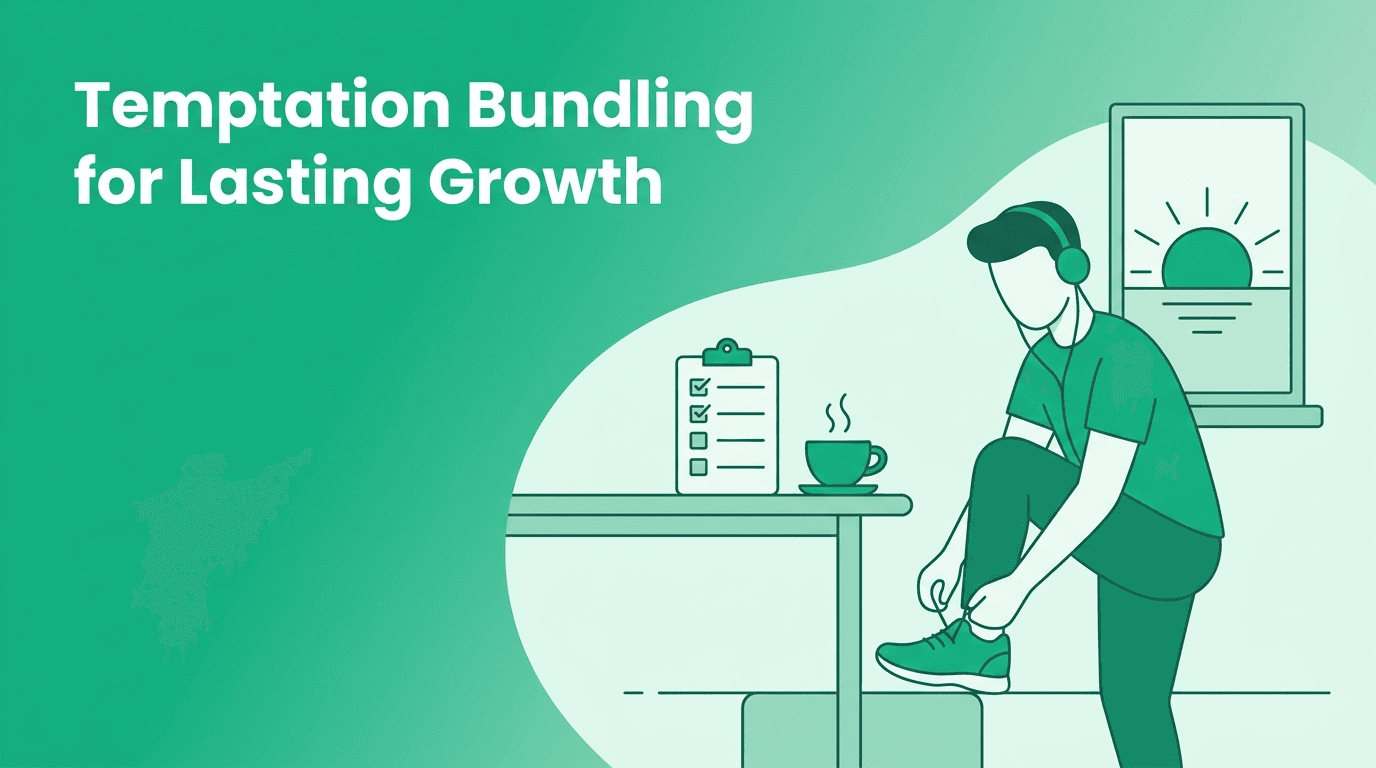
The idea is straightforward: combine a task you should do with an activity you want to do. For example, you only listen to your favorite podcast while walking, or you only drink your favorite coffee after finishing your top priority task. This creates a bridge between discipline and pleasure.
How temptation bundling supports personal transformation
Big change rarely comes from one dramatic decision. It usually comes from repeating small actions until they become part of your identity. Temptation bundling helps that repetition happen more consistently, which is why it can be powerful for personal transformation.
- It lowers resistance to difficult tasks.
- It adds motivation without needing extreme discipline.
- It helps habits feel emotionally rewarding.
- It increases consistency, which improves goal achievement over time.
- It makes healthy routines easier to maintain during stressful weeks.
Why this matters for self-discipline
True self-discipline is not about making life harder than necessary. It is about creating conditions where the better choice becomes easier to repeat. Instead of forcing yourself through every task with grit alone, you build a system that supports action.
Practical temptation bundling examples for your morning routine
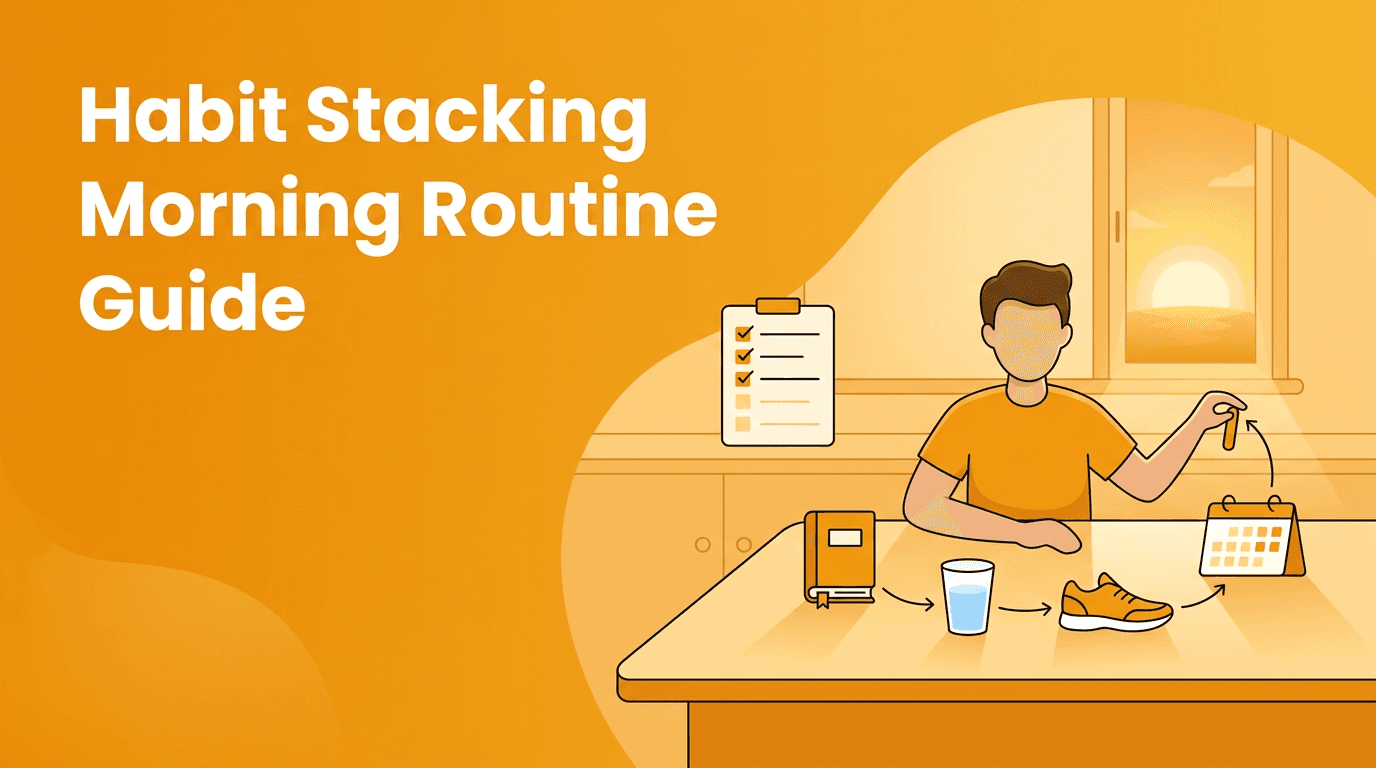
Your morning routine is a great place to start because it shapes the tone of your day. When mornings feel rushed or uninspiring, healthy intentions quickly fade. By using temptation bundling, you can make positive behaviors more appealing from the moment you wake up.
- Only play your favorite upbeat playlist while getting ready for the day.
- Pair journaling with a special tea or coffee you genuinely enjoy.
- Do a 10-minute stretch while watching a short inspiring video.
- Review your goals right after opening a habit app that gives you streak motivation.
- Save your favorite breakfast for mornings when you complete your top priority task first.
The key is to choose rewards that are enjoyable but not so distracting that they replace the habit itself. You want support, not sabotage.
How to build your own temptation bundling system
1. Pick one habit that matters
Choose a habit connected to the kind of person you want to become. It might be reading, walking, budgeting, planning your day, or practicing a skill. Start with one area where small consistency would create visible growth.
2. Choose a reward you already love
Pick something simple and safe: music, a favorite drink, a cozy environment, a podcast, or a satisfying checklist. The reward should be easy to access and easy to repeat.
3. Create a clear rule
Make the bundle specific. For example, "I only listen to this audiobook while cleaning" or "I only watch this channel while on the treadmill." Clear rules make goal achievement more likely because they remove negotiation.
4. Track your consistency
Use a visible tracker so the habit becomes tangible. This is where Haply can be especially helpful. As an AI life coaching app on iOS and Android, Haply can support your personal transformation with personalized coaching, habit streaks, daily reminders, and tools like the Today Dashboard and Focus Timer.
Make your habits easier to keep
Use Haply's AI coaching, habit tracker, and daily reminders to turn small actions into steady growth.
Try Haply Free5. Review and refine weekly
If a bundle stops working, adjust it. Maybe the reward is not exciting enough, or maybe the habit is too big. Weekly review keeps your system realistic instead of idealistic.
Common mistakes that weaken temptation bundling
- Choosing a reward that is stronger than the habit and becomes the main event.
- Pairing too many habits at once and creating friction.
- Using rewards that are hard to access during busy days.
- Expecting instant personality change instead of gradual growth.
- Ignoring your environment, which can either support or block your routine.
Keep the method light. The goal is not perfection. The goal is to make the next right action more likely.
A smarter way to stay consistent
If you often start strong and then lose momentum, temptation bundling may be the missing link. It respects how motivation actually works. You do not have to wait until you feel more disciplined. You can design a life where good choices feel more inviting now.
That is how lasting personal transformation happens. Not through dramatic pressure, but through repeatable systems that support who you are becoming.
Frequently Asked Questions
What is temptation bundling in simple terms?
Temptation bundling means pairing a habit you need to do with something you enjoy, so the task feels easier to repeat.
How does temptation bundling improve self-discipline?
It reduces reliance on willpower by making good habits more rewarding in the moment, which supports consistency.
Can temptation bundling help with a morning routine?
Yes. It can make morning habits like stretching, journaling, or planning feel more enjoyable and easier to maintain.
What are good temptation bundling examples?
Listening to a favorite podcast only while walking, or drinking a special coffee only after finishing a key task are common examples.