Attention Residue: The Hidden Productivity Leak Hurting Focus
Attention residue quietly drains productivity, weakens focus, and makes time management harder than it needs to be. Learn how to reduce mental carryover and get more done with less friction.

By Haply Team
Haply Editorial Team
Attention residue is one of the least discussed reasons smart people struggle with productivity, focus, and getting things done. You may leave one task, open another, and assume you have switched cleanly, but part of your mind is still stuck on the previous activity. That mental carryover reduces efficiency, slows decisions, and makes time management feel harder than it should.
What attention residue actually means
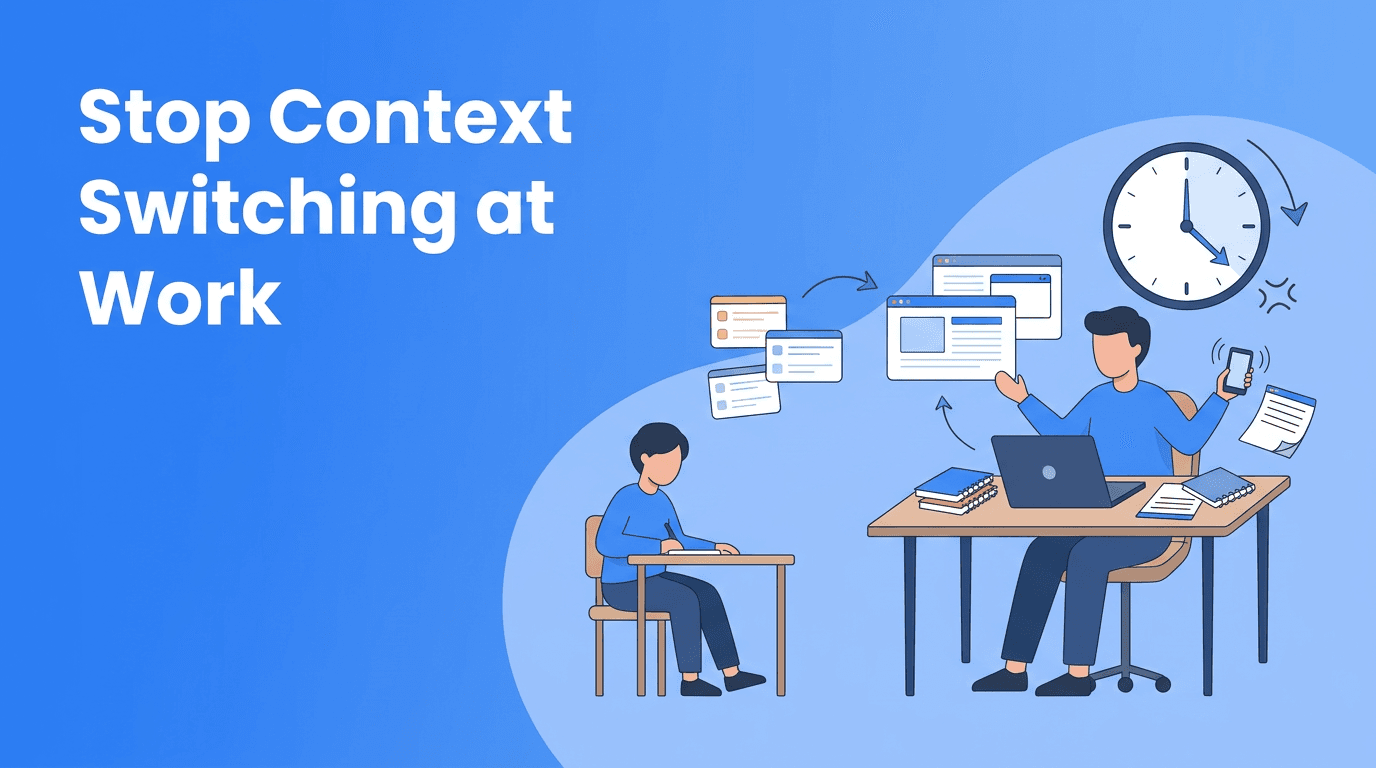
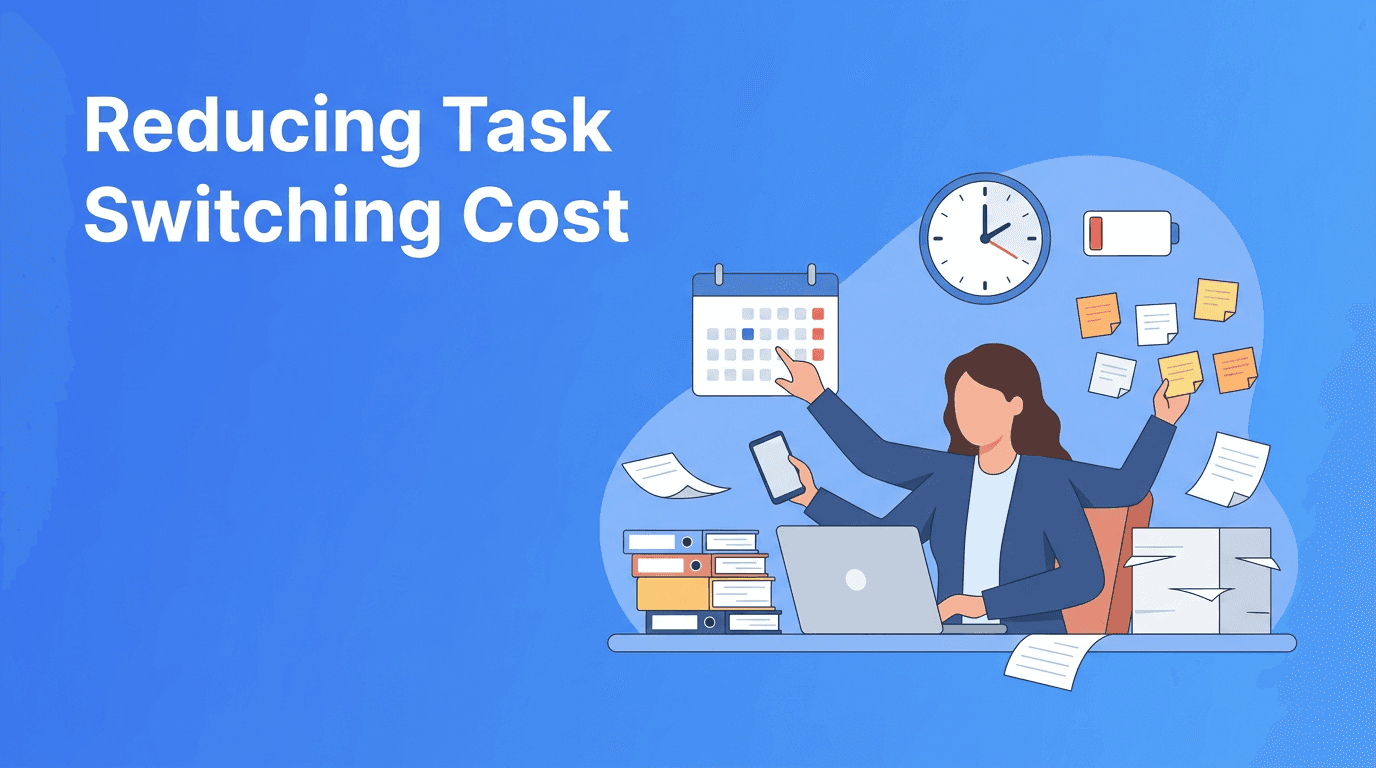
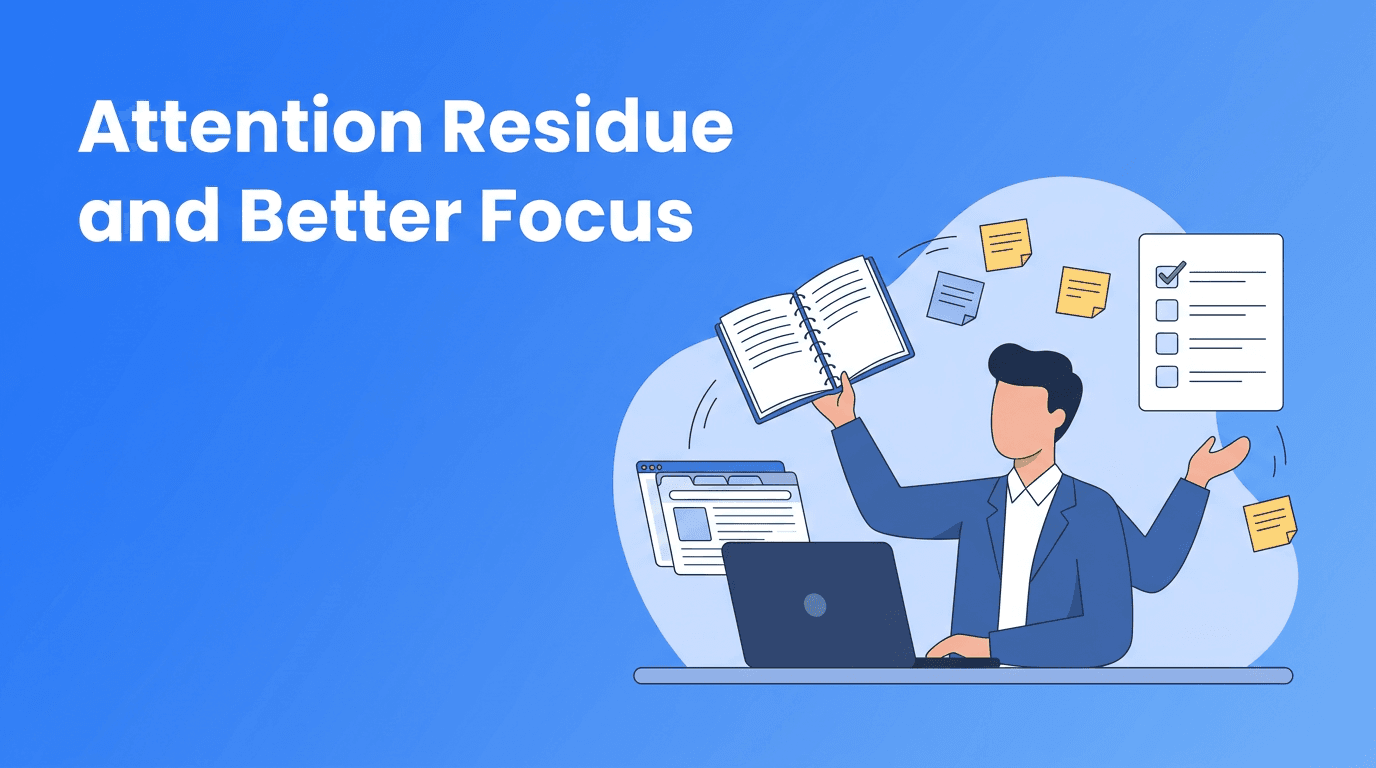
The term attention residue describes what happens when your thoughts remain partially attached to a previous task after you move on. If you stop writing a report to answer messages, then jump into a meeting, some of your cognitive bandwidth is still occupied. Even when you look busy, your brain is paying a hidden switching tax.
- You reread the same paragraph multiple times after switching tasks
- You open a document but keep thinking about the email you just sent
- You feel mentally busy all day but finish fewer meaningful tasks
- You need extra time to get into focused work after meetings or notifications
"Focus is not just about choosing what to work on. It is also about helping your mind fully leave what came before."
Why attention residue hurts productivity so much
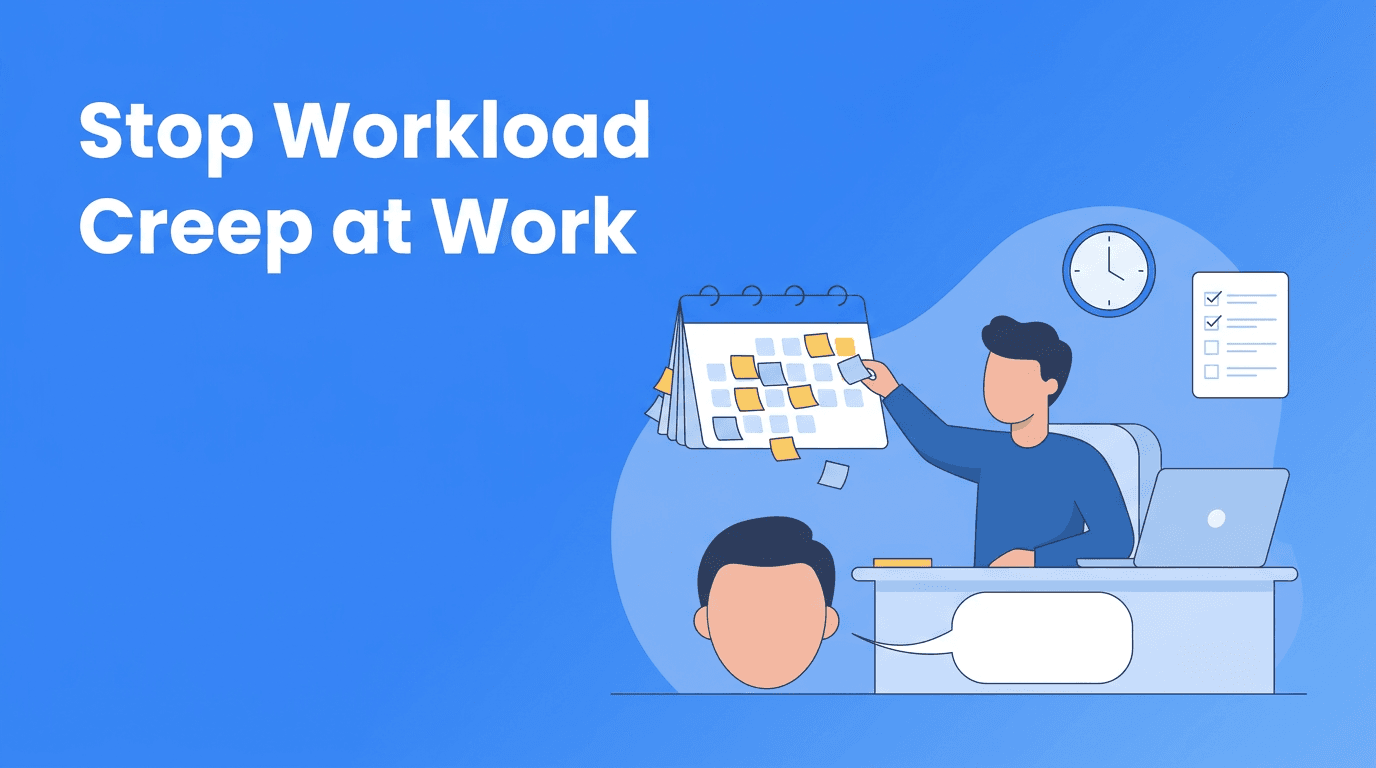
Most people blame low output on motivation, discipline, or poor tools. Often, the bigger issue is fragmented attention. Attention residue lowers work quality, increases completion time, and creates the frustrating sense of constant motion without real progress. For knowledge workers and students, that is a direct hit to both efficiency and time management.
It weakens deep thinking
Complex work needs uninterrupted mental buildup. Strategy, writing, coding, studying, and analysis all depend on sustained concentration. When your mind is split between the current task and the last one, it becomes harder to reason clearly, spot patterns, and make good decisions.
It creates false urgency
Frequent switching trains your brain to chase the most recent input instead of the most important priority. That can make reactive work feel productive, even when it is pulling you away from what truly matters.
It makes the day feel shorter
Task switching does not just consume minutes during transitions. It also reduces the quality of the next 10 to 20 minutes. That means your calendar may look full while your real capacity for getting things done keeps shrinking.
How to reduce attention residue in a normal workday
You do not need a perfect routine to lower mental switching costs. A few practical changes can protect focus and improve productivity quickly.
- Finish with a note: Before leaving a task, write the exact next step. This gives your brain closure and makes re-entry faster.
- Group shallow tasks: Answer messages, check updates, and handle admin work in specific windows instead of all day.
- Use transition rituals: Take 60 seconds to clear tabs, review priorities, or breathe before starting the next task.
- Protect one focus block daily: Even 30 to 60 minutes of uninterrupted work can improve output dramatically.
- Reduce open loops: Keep a trusted task list so unfinished items do not keep circling in your head.
Build a focus system that sticks
If you want help turning these ideas into daily habits, Haply offers AI coaching for productivity, a Focus Timer, Task Planner, streak tracking, and personalized daily support on iOS and Android.
Try Haply FreeA simple 3-step reset for better focus
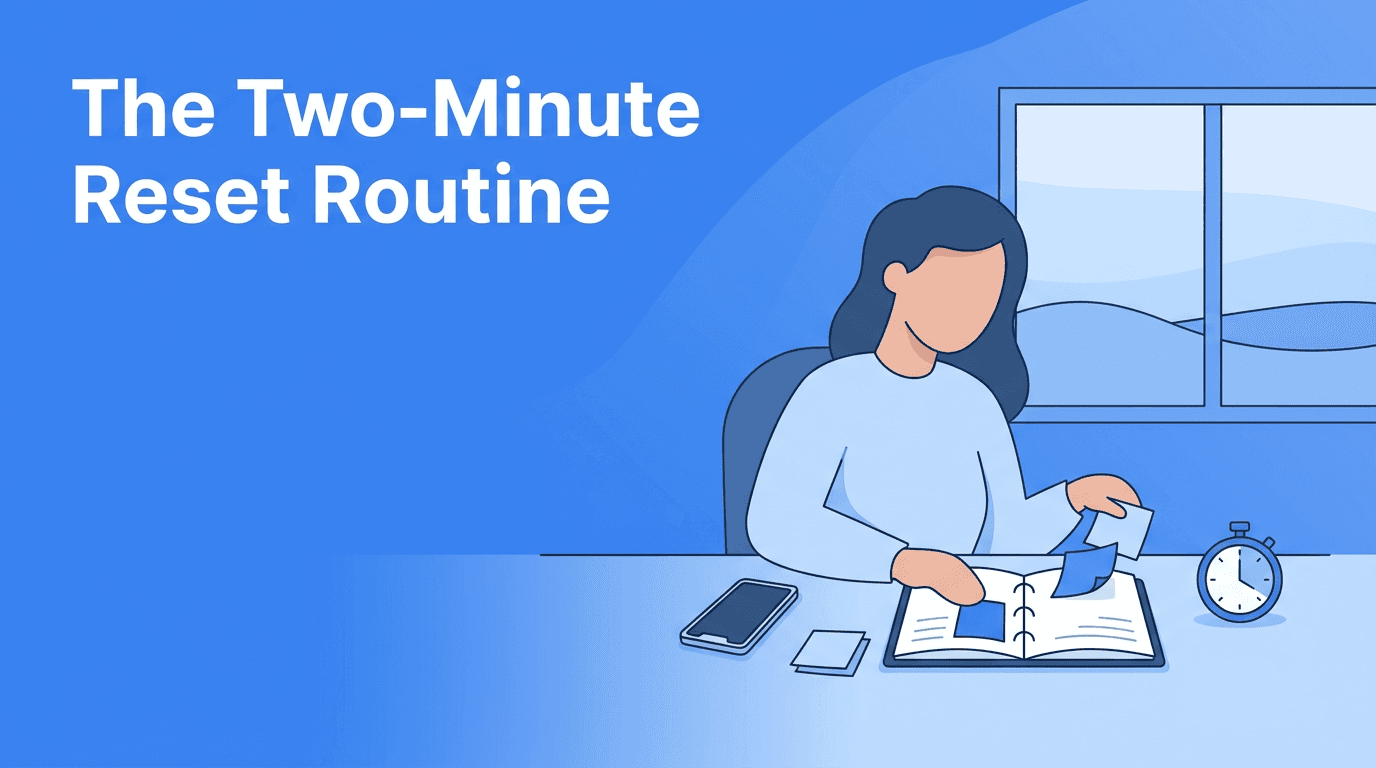
When you notice mental spillover, try this quick reset to clear attention residue without overcomplicating your workflow.
- Name the unfinished thought: Say or write what is still pulling at your attention.
- Capture the next action: Add one concrete step to your planner so nothing feels lost.
- Start with a tiny entry point: Work on the new task for just five focused minutes to rebuild momentum.
Design your environment for efficiency
Your workspace can either increase switching or reduce it. Close extra tabs. Silence nonessential notifications. Keep one visible priority list. If possible, separate communication tools from creation tools. These small boundaries make time management easier because they reduce friction at the moment you are most vulnerable to distraction.
Digital support can help too. With Haply, you can use the Today Dashboard to see your priorities at a glance, check in with a productivity coach, and use mini-tools like the Focus Timer and Task Planner to stay anchored during the day. That structure is especially helpful when your schedule is full but your attention feels scattered.
The goal is not perfect concentration
The goal is not to become a robot with flawless concentration. The goal is to notice when your attention is fragmented and gently guide it back. Over time, reducing attention residue helps you protect focus, improve efficiency, and make productivity feel less exhausting.
Frequently Asked Questions
What is attention residue in productivity?
Attention residue is the mental carryover that remains after switching from one task to another. It reduces focus and makes the next task harder to do well.
How do I stop task switching from hurting my focus?
Use clear task boundaries, batch shallow work, write down the next step before switching, and protect at least one uninterrupted focus block each day.
Why do I feel busy but get nothing done?
A common reason is fragmented attention. When your mind is constantly switching, you spend energy reorienting instead of making meaningful progress.
Can attention residue affect time management?
Yes. It stretches how long tasks take, lowers work quality, and makes your day feel more crowded than it really is.