Circadian Rhythm Meals: How Meal Timing Supports Sleep and Steady Energy
Circadian rhythm meals can support better sleep, steadier energy, and stronger healthy habits by aligning nutrition with your body's natural clock.

By Haply Team
Haply Editorial Team
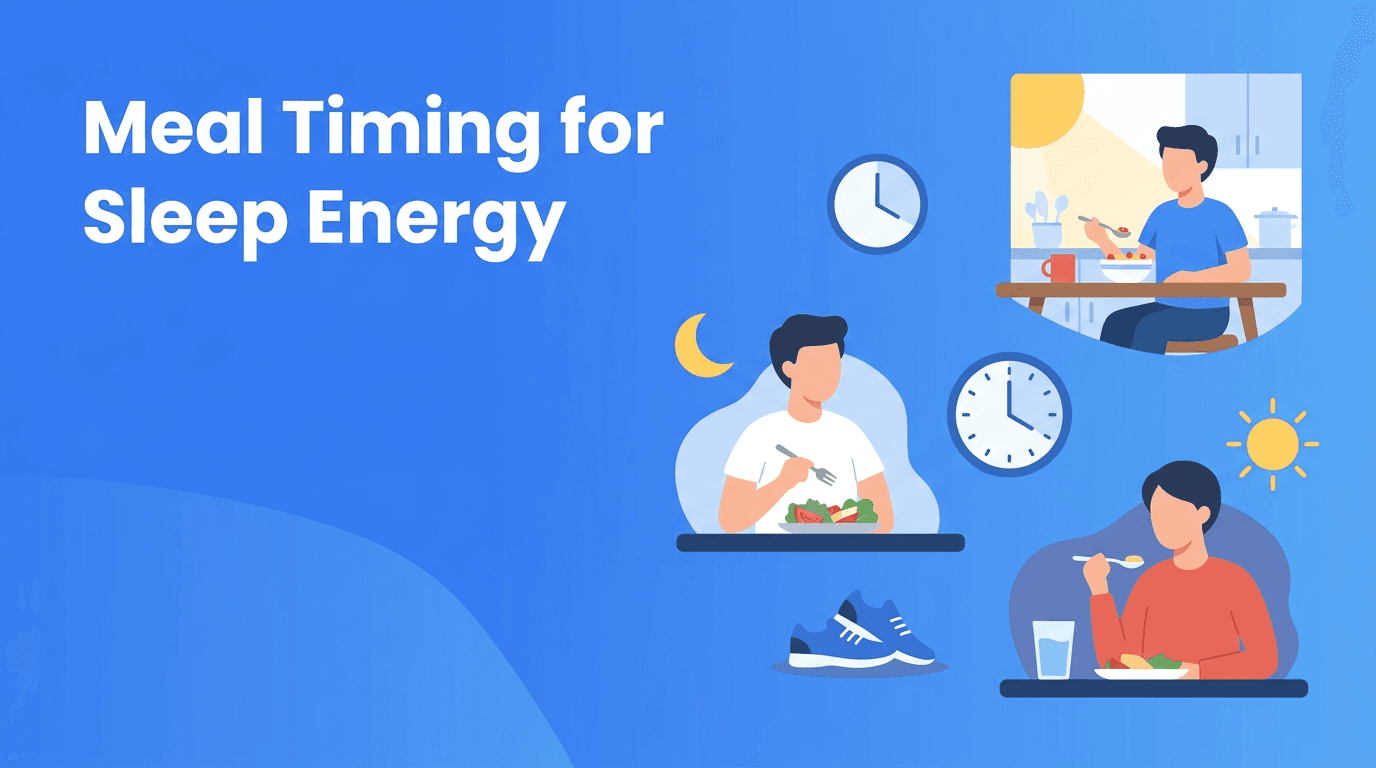
Meal timing is one of the most overlooked wellness tools for improving sleep, stabilizing energy, and building sustainable healthy habits. While food quality still matters, when you eat can influence hunger, alertness, recovery from exercise, and even how steady you feel throughout the day.
If your mornings feel foggy, your afternoons crash, or late-night snacking keeps pushing bedtime later, your daily rhythm may need a reset. A simple meal schedule can support nutrition, physical health, and better consistency without requiring a restrictive diet.
Why meal timing matters for wellness
Your body runs on internal clocks that help regulate sleep-wake cycles, digestion, hormones, and body temperature. Researchers often refer to this as your circadian rhythm. When meal timing is scattered, such as skipping meals all day and eating heavily at night, it can clash with that rhythm and make it harder to maintain balanced energy and restful sleep.
- Earlier daytime eating often supports steadier alertness and appetite control.
- Regular meals can reduce intense evening hunger that leads to overeating.
- Late heavy dinners may interfere with sleep comfort and digestion.
- Pairing smart nutrition timing with regular exercise can improve recovery and daily performance.
"Wellness is not only about what you do, but also about when you do it consistently."
A simple meal timing framework for sleep and energy
1. Eat within 1 to 2 hours of waking
A balanced breakfast can help anchor your day, especially if you often feel tired or overly hungry by midmorning. Include protein, fiber, and fluids. Think Greek yogurt with fruit, eggs with toast, or oats with nuts. This supports energy and may make later food choices easier.
2. Keep lunch consistent
Lunch is where many healthy routines break down. Skipping it can lead to low afternoon focus and stronger cravings later. A practical plate includes lean protein, complex carbohydrates, vegetables, and healthy fats. This kind of nutrition pattern supports both brain function and physical health.
3. Finish dinner at least 2 to 3 hours before bed
This is one of the most useful meal timing habits for better sleep. Eating too close to bedtime can leave you feeling overly full, uncomfortable, or mentally activated when your body is trying to wind down. A lighter, balanced evening meal is often easier on digestion.
4. Match snacks to your real needs
Use snacks strategically instead of automatically. A snack can help if there is a long gap between meals, after exercise, or before a demanding task. Try options like fruit with nut butter, cottage cheese, or hummus with vegetables. The goal is stable energy, not constant grazing.
How meal timing connects with exercise and recovery
You do not need a perfect athlete schedule to benefit from rhythm. If you exercise in the morning, a light snack before movement and a balanced meal afterward may help recovery. If you train later in the day, avoid very large meals right before activity and try to refuel within a reasonable window afterward.
- Before exercise: choose easy-to-digest carbs if needed, such as a banana or toast.
- After exercise: combine protein and carbohydrates to support muscle recovery and replenish energy.
- For evening workouts: keep dinner satisfying but not excessively heavy, especially if bedtime is close.
Healthy habits that make meal timing easier
The best routine is the one you can repeat. Instead of chasing perfection, build small systems that reduce friction. This approach supports healthy habits across sleep, food choices, and movement.
- Set a rough eating rhythm, such as breakfast at 8, lunch at 1, dinner at 7.
- Prep one dependable breakfast and one dependable lunch for busy days.
- Keep a water bottle visible, because hydration affects energy and appetite cues.
- Use phone reminders if you regularly skip meals while working.
- Plan caffeine earlier in the day so it does not compete with sleep.
Build healthier daily rhythms with Haply
Haply is an AI life coaching app for iOS and Android that can help you turn wellness goals into repeatable routines. Use chat-based coaching, daily reminders, habit tracking, and mini-apps like Meditation/Breathe and Focus Timer to support better sleep, nutrition, and stress management. Haply complements professional care, it does not replace it.
Try Haply FreeCommon mistakes that disrupt energy and sleep
- Skipping meals and relying on caffeine to push through the day.
- Eating most daily calories late at night.
- Using sugary snacks for quick energy without protein or fiber.
- Finishing intense exercise very late, then eating a heavy meal right before bed.
- Treating healthy habits as all-or-nothing instead of adjusting them gradually.
If any of these sound familiar, do not aim for a complete overhaul. Start with one anchor habit, such as consistent breakfast or an earlier dinner. Small changes in meal timing can create ripple effects across nutrition, sleep, and overall physical health.
A realistic 1-day example
Here is a simple sample rhythm: breakfast within 90 minutes of waking, lunch about 4 to 5 hours later, a planned afternoon snack if needed, dinner 3 hours before bed, and hydration spread throughout the day. Adjust portions and timing based on your schedule, culture, hunger, and activity level.
If you want more structure, tools like habit trackers and guided check-ins can help you notice patterns. That is where apps like Haply can be useful, especially if you want support building routines around wellness goals one step at a time.
Frequently Asked Questions
What is the best meal timing for better sleep?
A helpful starting point is to finish dinner 2 to 3 hours before bed. This may reduce discomfort and support a smoother wind-down.
Can meal timing really improve energy levels?
Yes, regular meals can help prevent long gaps that lead to low energy and intense hunger. Consistency often supports steadier focus throughout the day.
How does meal timing affect exercise recovery?
Eating a balanced meal or snack after exercise can help restore energy and support muscle recovery. The exact timing depends on workout length and intensity.
Should I skip breakfast if I am not hungry?
Not necessarily. Some people do fine with a later first meal, but if skipping breakfast leads to overeating later or poor energy, a light balanced option may help.