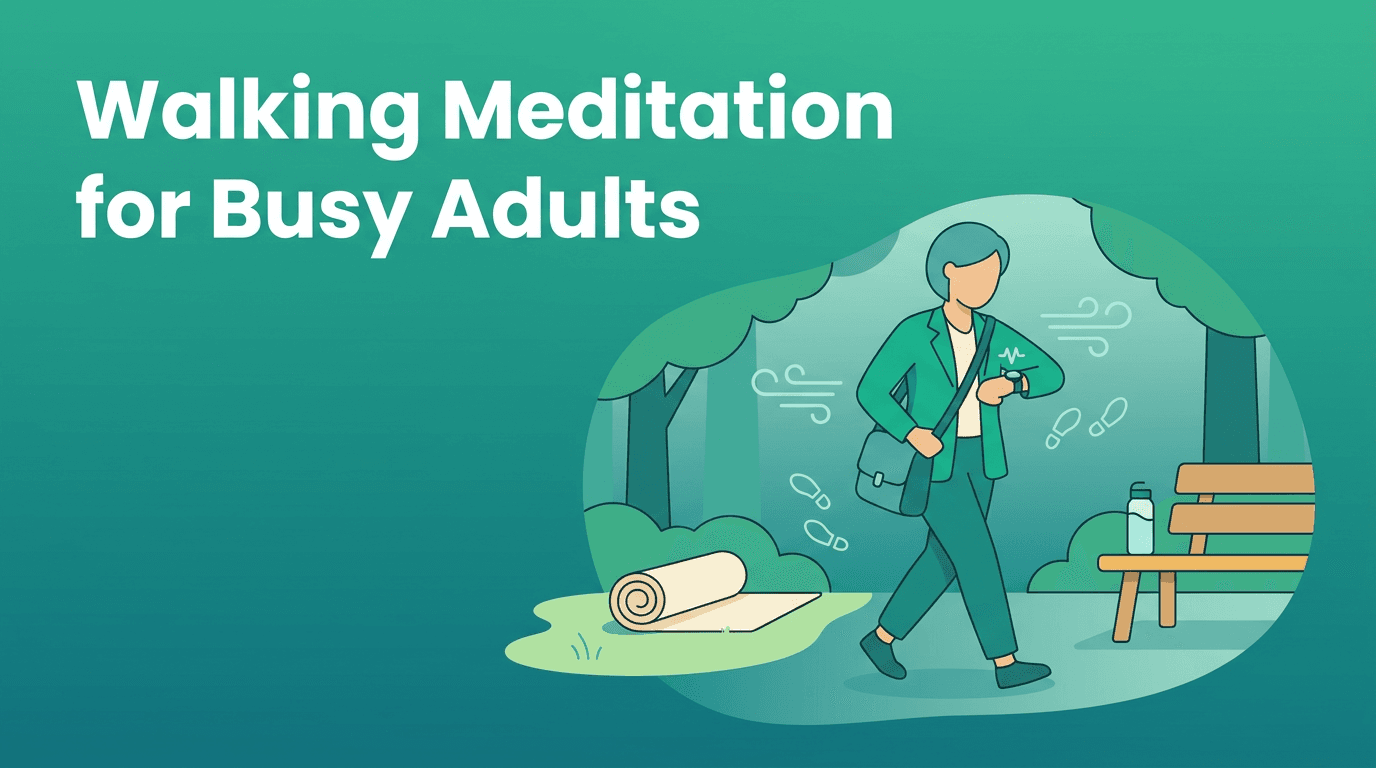
Walking Meditation for Busy Adults: A Simple Fitness Routine That Supports Recovery
Walking meditation is a practical way to blend fitness, movement, and recovery into a busy day. Learn how to build a calming workout routine with more physical activity and less pressure.

By Haply Team
Haply Editorial Team
If your schedule feels too packed for a full workout routine, walking meditation can be a surprisingly powerful reset. It blends fitness, mindful movement, gentle physical activity, and intentional recovery into one simple habit you can do between meetings, after dinner, or during a stressful afternoon.
Why walking meditation works for modern wellness
Many people think wellness has to mean hard workouts, perfect morning routines, or long sessions at the gym. In reality, sustainable health often starts with something much simpler. Walking meditation turns ordinary walking into a practice that supports both body and mind. You still get the benefits of movement and light fitness, but you also reduce mental noise and create space to breathe.
- Walking is accessible, low-pressure, and easy to fit into busy schedules.
- It can support a consistent workout routine without needing special equipment.
- Mindful physical activity may help you feel calmer, more focused, and less reactive.
- Because it is gentle, it can also complement recovery days between harder exercise sessions.
A different kind of workout routine
Not every wellness plan needs to push harder. Sometimes the smartest approach is to choose a routine you will actually repeat. A mindful walk may not look intense, but it can anchor your day, improve body awareness, and build consistency. For people who feel all-or-nothing about exercise, this can be the bridge between no activity and a realistic workout routine.
What makes it different from regular walking?
The difference is attention. Instead of scrolling, rushing, or mentally replaying your to-do list, you focus on your steps, your breathing, and your surroundings. That small shift can make walking meditation feel restorative rather than automatic.
"You do not have to do everything intensely for it to count. Consistent, mindful movement can change your day."
How to do walking meditation in 10 minutes
- Start with 2 to 3 slow breaths before you begin walking.
- Set a gentle pace. This is not a race, even if it becomes part of your fitness plan.
- Notice the feeling of your feet touching the ground.
- Match your breath to your steps if that feels natural.
- When your mind wanders, return your attention to walking without judging yourself.
- Finish by standing still for a moment and noticing how your body feels.
That is enough. You do not need a perfect mindset or a silent park. A hallway, sidewalk, office courtyard, or neighborhood block can work.
Ways to use walking meditation throughout the day
- Before work to create a calmer start than checking email in bed.
- Between tasks as a reset when your focus drops.
- After meals for light physical activity and a mental refresh.
- After a stressful conversation to release tension through movement.
- On recovery days when your body needs support without a demanding session.
How walking supports fitness and recovery
When people hear the word fitness, they often picture sweat-heavy training. But health is also built through repetition, circulation, mobility, and nervous system balance. Walking can support endurance, posture, and consistency, while also helping your body ease out of high stress. That makes it especially useful for recovery, both physically and mentally.
A smart add-on to more intense exercise
If you already have a gym plan or home workout routine, mindful walking can fit around it. Use it as a warm-up, a cooldown, or a separate low-intensity session. It keeps you connected to physical activity without making every day feel demanding.
Build a wellness routine that fits real life
With Haply, you can create personalized wellness goals, track healthy habits, and use tools like Meditation/Breathe, the Focus Timer, and daily reminders to make mindful movement easier to sustain. Haply is an AI life coaching app for iOS and Android, designed to complement your self-growth journey.
Try Haply FreeCommon mistakes that make the habit harder
- Turning it into a performance metric instead of a grounding practice.
- Assuming it only counts if the walk is long.
- Using the time to multitask with constant notifications.
- Skipping it because you cannot do your full workout routine.
- Walking too fast to notice your breath, posture, or tension.
The goal is not to do more. The goal is to create a form of movement that is easy to return to, especially on busy or emotionally heavy days.
Make it stick with tiny cues
Try attaching your walk to a routine you already have. Take five minutes after lunch. Walk one block before opening social media. Use the end of a meeting as a cue to stand up and move. Small triggers make walking meditation much easier to repeat than relying on motivation alone.
Final thought: let movement be supportive
Wellness does not have to be extreme to be meaningful. Walking meditation offers a realistic path to more fitness, steady physical activity, and better recovery without adding pressure to your day. If you want a gentler relationship with exercise, this may be the habit that helps everything else feel more doable.
Frequently Asked Questions
What is walking meditation and how does it work?
Walking meditation is a mindful form of walking where you focus on your breath, steps, and body sensations. It combines gentle physical activity with mental grounding.
Can walking meditation count as exercise?
Yes, walking meditation can support fitness as a form of light movement and physical activity. It is especially useful for consistency, stress relief, and recovery days.
How long should a walking meditation be?
Even 5 to 10 minutes can be effective. The best length is one you can repeat regularly in your daily routine.
Is walking meditation good for recovery days?
Yes, it can be a great recovery option because it keeps you moving without adding intense physical stress. It may help your body and mind reset between harder workouts.
Can I use an app to build a walking meditation habit?
Yes, habit tracking and guided wellness tools can make the practice easier to maintain. Apps like Haply can help you set goals, stay consistent, and build supportive routines.