What to Expect From Therapy: A Beginner's Guide to Emotional Health and Wellbeing
Curious about therapy? This beginner-friendly guide explains how therapy supports emotional health, anxiety, and overall wellbeing, with practical steps to start confidently.

By Haply Team
Haply Editorial Team
Emotional health is not about feeling good all the time. It is about understanding your inner world, responding to stress with more awareness, and building support when life feels heavy. If you have been wondering whether therapy could help with anxiety, low mood, or everyday overwhelm, this guide can help you understand what to expect.
Why emotional health matters in daily life
Your emotional health affects how you think, sleep, communicate, make decisions, and recover from hard moments. When it is neglected, even simple tasks can feel bigger than they are. Caring for your emotions does not mean you are weak. It means you are paying attention to your wellbeing in a meaningful way.
- You may feel more reactive, numb, or exhausted when your emotional needs go unmet
- Stress can show up physically through tension, headaches, poor sleep, or low energy
- Supportive habits and professional guidance can strengthen resilience over time
What therapy actually looks like
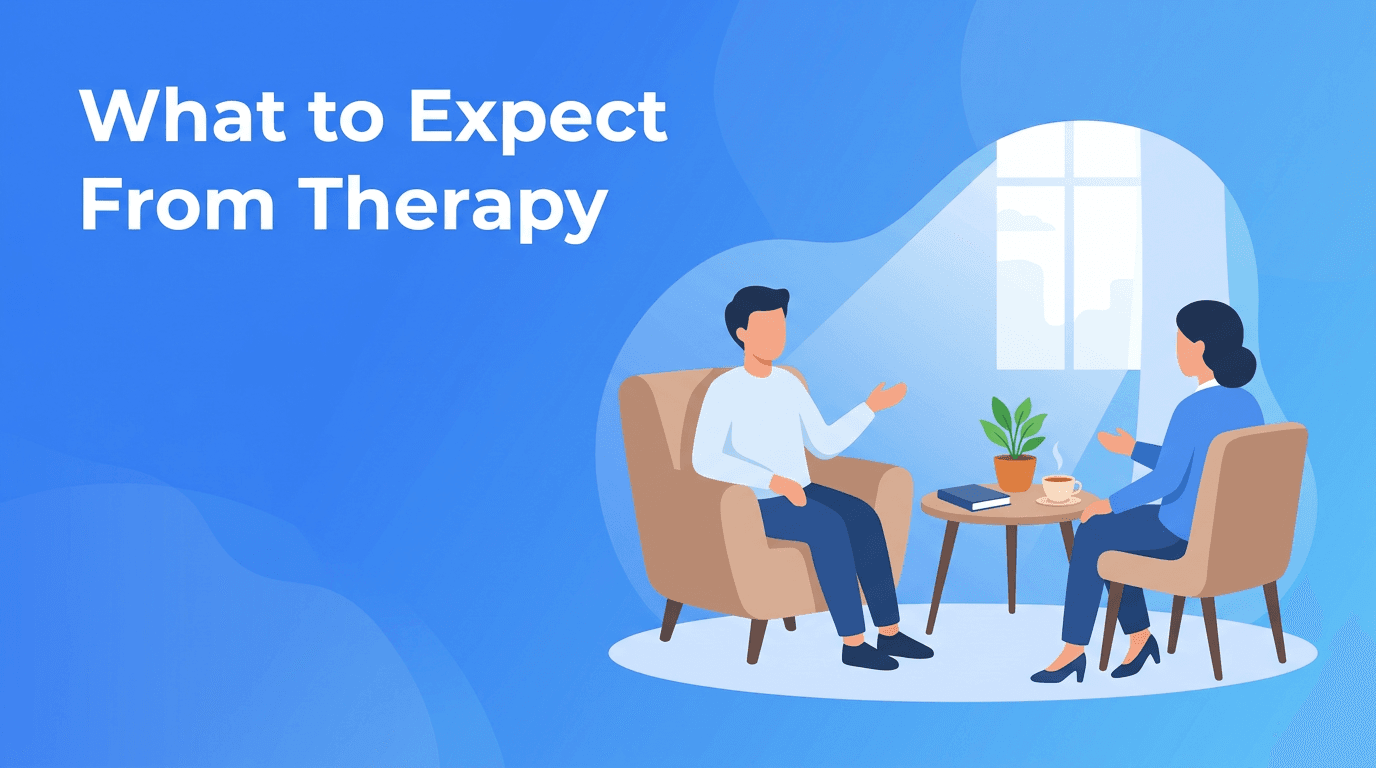
Many people imagine therapy as lying on a couch and talking about childhood for hours. In reality, therapy can look very different depending on your goals, personality, and the therapist's approach. Some sessions focus on current stress, some explore patterns, and some teach practical coping tools.
Common reasons people start therapy
- Persistent anxiety or panic
- Low mood and growing depression awareness after noticing changes in motivation, sleep, or hope
- Relationship stress or communication challenges
- Burnout, grief, life transitions, or feeling emotionally stuck
- Wanting to understand yourself better and improve emotional health
"You do not have to wait for a crisis to deserve support."
How therapy can support anxiety and wellbeing
For many people, therapy creates a consistent space to slow down and notice patterns. You might learn how your thoughts, body sensations, and behaviors interact when anxiety rises. Over time, this can help you respond with more clarity instead of pure survival mode.
- Identify triggers and recurring thought patterns
- Practice grounding, reframing, or emotional regulation skills
- Build healthier boundaries and daily routines
- Strengthen self-compassion and long-term wellbeing
When depression awareness becomes important
Sometimes emotional struggles are easy to dismiss as stress or tiredness. But growing depression awareness can help you notice when sadness, emptiness, hopelessness, or loss of interest lasts longer than expected. Reaching out for support early can make it easier to feel less alone and more understood.
Looking for daily support between sessions?
Haply is an AI life coaching app for iOS and Android that can support your wellbeing with Wellness coaching, habit tracking, daily reminders, guided breathing, sleep tools, and personalized check-ins. It can complement therapy, not replace professional care.
Try Haply FreeHow to prepare for your first therapy session
You do not need a perfect story or a clear explanation of everything you feel. It is enough to show up honestly. A few notes can help if you feel nervous.
- Write down what has been feeling hardest lately
- Notice any symptoms linked to anxiety, mood, sleep, or stress
- Think about what you hope will improve in your emotional health
- Prepare one or two questions about the therapist's style or process
Signs a therapist may be a good fit
- You feel heard, respected, and not judged
- They explain their approach clearly
- You feel safe enough to be honest, even if it takes time
- They help you move toward insight and action
Small habits that support emotional health between sessions
Therapy is powerful, but your everyday habits matter too. Small, repeatable actions often create the foundation for better emotional health and steadier energy.
- Keep a simple mood journal with one sentence a day
- Take short walks to release stress and reset attention
- Use breathing or meditation tools during overwhelming moments
- Limit doomscrolling when your mind already feels overloaded
- Reach out to one trusted person instead of isolating
A gentle reminder about support
If you are struggling, you do not need to earn help by getting worse first. Therapy can be useful for crisis, but it can also be a proactive way to care for your wellbeing. Apps like Haply can add structure and encouragement through chat-based coaching, a Today Dashboard, and wellness mini-apps, while professional mental health care offers deeper clinical support when needed.
Frequently Asked Questions
What is emotional health and why is it important?
Emotional health is your ability to understand, express, and manage feelings in a balanced way. It matters because it affects stress, relationships, decision-making, and overall wellbeing.
Can therapy help with anxiety even if it is mild?
Yes. Therapy can help with mild, moderate, or severe anxiety by teaching coping skills, identifying patterns, and offering a safe space to process stress.
How do I know if I need therapy or just self-care?
Self-care can help with everyday stress, but therapy may be useful if symptoms persist, interfere with daily life, or feel too heavy to manage alone.
What are early signs that depression awareness is important?
Common signs include ongoing sadness, loss of interest, fatigue, changes in sleep or appetite, and difficulty feeling hopeful. If these continue, reaching out for professional support can help.
Can an app improve emotional health?
An app can support emotional health by helping you build habits, reflect, and stay consistent with coping tools. It works best as a complement to real-life support, including therapy when needed.