Conversation Starters for Introverts: A Low-Pressure Way to Build Rapport
Conversation starters for introverts can make social skills feel less overwhelming. Learn a low-pressure approach to build rapport, ease social anxiety, and speak with more confidence.

By Haply Team
Haply Editorial Team
Conversation starters are not just small talk tricks. For an introvert or anyone dealing with social anxiety, they can be a simple structure that makes social skills feel safer, more natural, and easier to practice.
If you have ever stood in a room trying to think of the perfect thing to say, you are not alone. Many people assume confident communicators are naturally gifted, but strong social skills usually come from having a few reliable tools ready before the moment begins.
Why conversation starters work for introverts
A good opener lowers pressure. Instead of trying to be witty, impressive, or endlessly interesting, you focus on one small goal: begin. That first sentence creates momentum, and momentum helps rapport grow.
- They reduce decision fatigue because you do not have to invent a topic on the spot.
- They calm social anxiety by giving your mind a clear next step.
- They improve networking because people remember how you made them feel, not whether you sounded perfect.
- They help with public speaking too because speaking up in small moments builds confidence for bigger ones.
The low-pressure formula for better rapport
Try this simple pattern: notice, ask, listen, reflect. It works in friendships, dating, family gatherings, team meetings, and casual networking events.
1. Notice something real
Start with what is already happening around you. Comment on the setting, the activity, or a shared experience. This feels more natural than forcing a random topic.
- How do you know the host?
- What brought you to this event?
- Have you tried this before?
- What has been the most useful part of today so far?
2. Ask open but easy questions
The best conversation starters are light enough to answer quickly, but open enough to continue if the other person wants to talk more.
- What kind of projects are you excited about lately?
- What do you enjoy doing when you are off the clock?
- What is something you have been learning recently?
- What is your favorite way to spend a quiet weekend?
3. Listen for the next thread
You do not need to carry the whole exchange. Listen for keywords, emotions, or details you can gently follow. If they mention travel, ask where. If they mention stress, ask what has been helping. If they mention a hobby, ask how they got into it.
4. Reflect instead of performing
One of the fastest ways to build rapport is to reflect back what you heard. Say things like, That sounds exciting, It seems like that mattered to you, or So you were looking for a fresh start. Reflection makes people feel understood.
Confidence in conversation is rarely about having the perfect line. It is about staying present long enough for connection to happen.
Conversation starters for different social situations
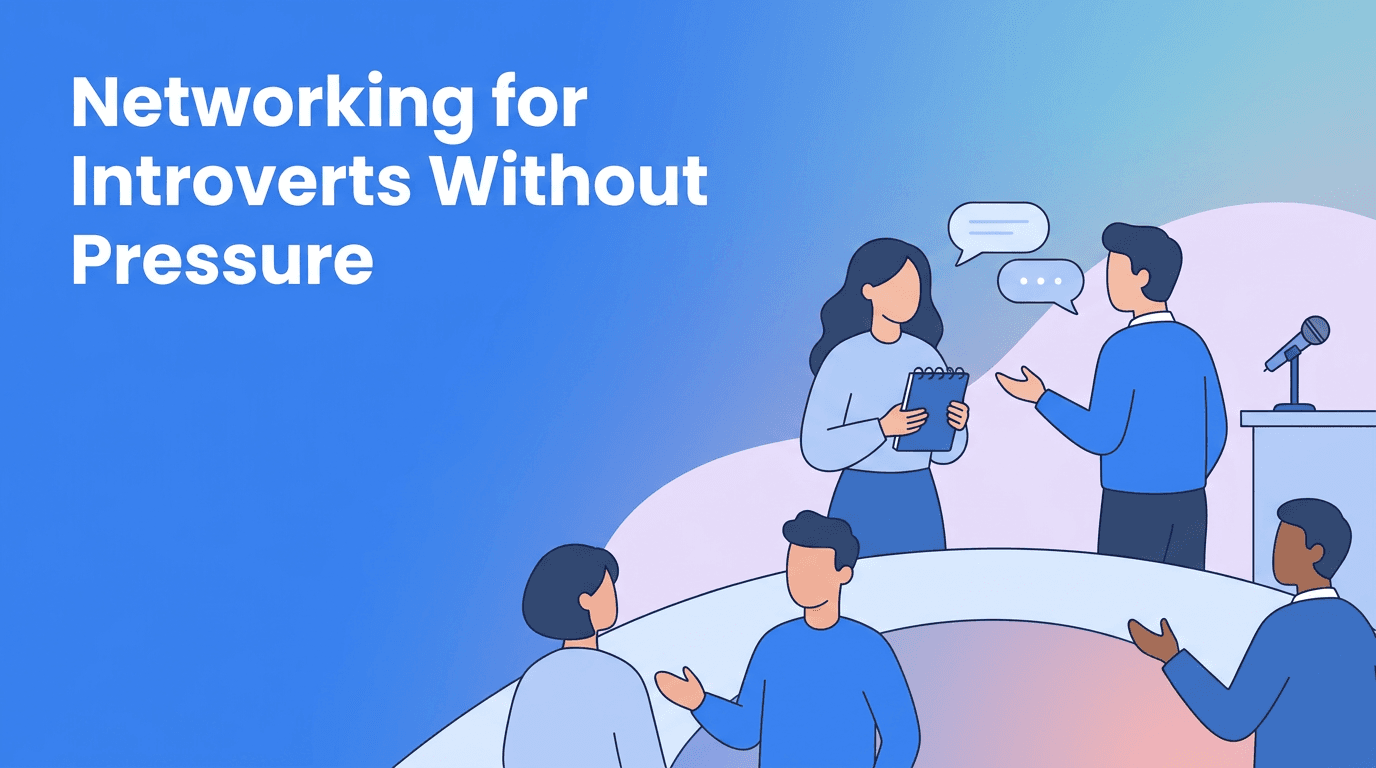
At networking events
- What kind of work are you focused on these days?
- What made you decide to come tonight?
- Have you met anyone interesting so far?
- What is one challenge people in your field are talking about right now?
With new friends or acquaintances
- What do you usually enjoy talking about?
- What has your week been like so far?
- What is something small you have been looking forward to?
- Are you more of a planner or more spontaneous?
When social anxiety spikes
Keep it shorter and gentler. Your goal is not to impress. Your goal is to stay engaged for one more minute.
- Hi, how has your day been?
- I am still settling in, how do you know everyone here?
- This is my first time at something like this. How about you?
- What did you think of the talk or presentation?
How this helps with public speaking confidence
If public speaking feels intense, start by practicing one-sentence contributions in daily life. Ask one question in a meeting. Introduce yourself first in a small group. Share one observation during class or work. Micro-moments train your nervous system to tolerate visibility.
This is why improving social skills and improving speaking confidence often go together. Every small interaction teaches your brain that being seen is survivable.
Practice social confidence with Haply
Haply is an AI life coaching app for iOS and Android that helps you build confidence step by step. Use chat-based coaching, habit streaks, daily reminders, and tools like the Today Dashboard and Breathe mini-app to practice conversation goals with less pressure.
Try Haply FreeA 7-day practice plan for conversation starters
- Day 1: Write down 5 conversation starters that feel natural to you.
- Day 2: Use one opener with a cashier, barista, or neighbor.
- Day 3: Ask one open question in a work, school, or community setting.
- Day 4: Practice reflecting back one thing someone says.
- Day 5: Stay in one conversation for two extra minutes before leaving.
- Day 6: Start one chat in a low-stakes networking or social setting.
- Day 7: Review what felt easiest and save your best go-to openers.
If you want extra support, Haply's AI coaches, including its Relationships coaching support, can help you turn this into a personalized routine. You can track progress with streaks, set reminders, and build a confidence plan that matches your energy as an introvert.
Frequently Asked Questions
What are the best conversation starters for introverts?
The best conversation starters for introverts are simple, situational, and easy to answer, such as asking how someone knows the host or what brought them to an event.
How can I improve social skills if I have social anxiety?
Start with low-pressure interactions, prepare a few go-to questions, and focus on listening rather than performing. Small repeated practice builds confidence over time.
Do conversation starters help with networking?
Yes. Conversation starters make networking easier because they reduce pressure and help you begin natural exchanges that can lead to genuine rapport.
Can practicing small talk improve public speaking?
Yes. Speaking in everyday situations helps you get more comfortable being noticed, which can make public speaking feel less intimidating.