People Pleasing in Relationships: How to Say No Without Losing Your Self-Worth
People pleasing in relationships can blur boundaries, weaken self-worth, and make saying no feel unsafe. Learn practical ways to protect healthy relationships without guilt.


By Haply Team
Haply Editorial Team
People pleasing often looks kind on the surface, but in relationships it can quietly erode boundaries, weaken self-worth, and make saying no feel like a threat instead of a skill. If you keep overexplaining, agreeing when you mean no, or feeling responsible for everyone else's comfort, you are not broken. You may have simply learned that staying liked felt safer than staying honest.
Why people pleasing shows up in healthy relationships too
Many people assume people pleasing only happens in toxic dynamics, but it can also appear in loving friendships, family systems, and romantic partnerships. When your nervous system connects approval with safety, even kind people can trigger the urge to accommodate. You might cancel your own plans, hide disappointment, or say yes before checking what you actually want.
- You apologize for having needs, even small ones
- You say yes quickly, then feel resentment later
- You worry that saying no will make others pull away
- You confuse being easygoing with being emotionally unavailable to yourself
- You measure your self-worth by how helpful, agreeable, or needed you seem
"A boundary is not a rejection of love. It is a clear expression of self-respect."
The hidden cost of saying yes when you mean no
When boundaries are weak, your relationships may look peaceful from the outside while feeling lonely on the inside. You may be present, available, and generous, yet deeply unseen. That is because connection built on performance is not the same as connection built on truth. Healthy relationships need honesty, not constant emotional shape-shifting.
What repeated self-abandonment can create
- Growing resentment toward people you care about
- Burnout from overgiving and emotional monitoring
- Confusion about your real preferences and limits
- Attracting patterns where your flexibility gets expected
- A drop in self-worth because your needs keep getting treated as optional, even by you
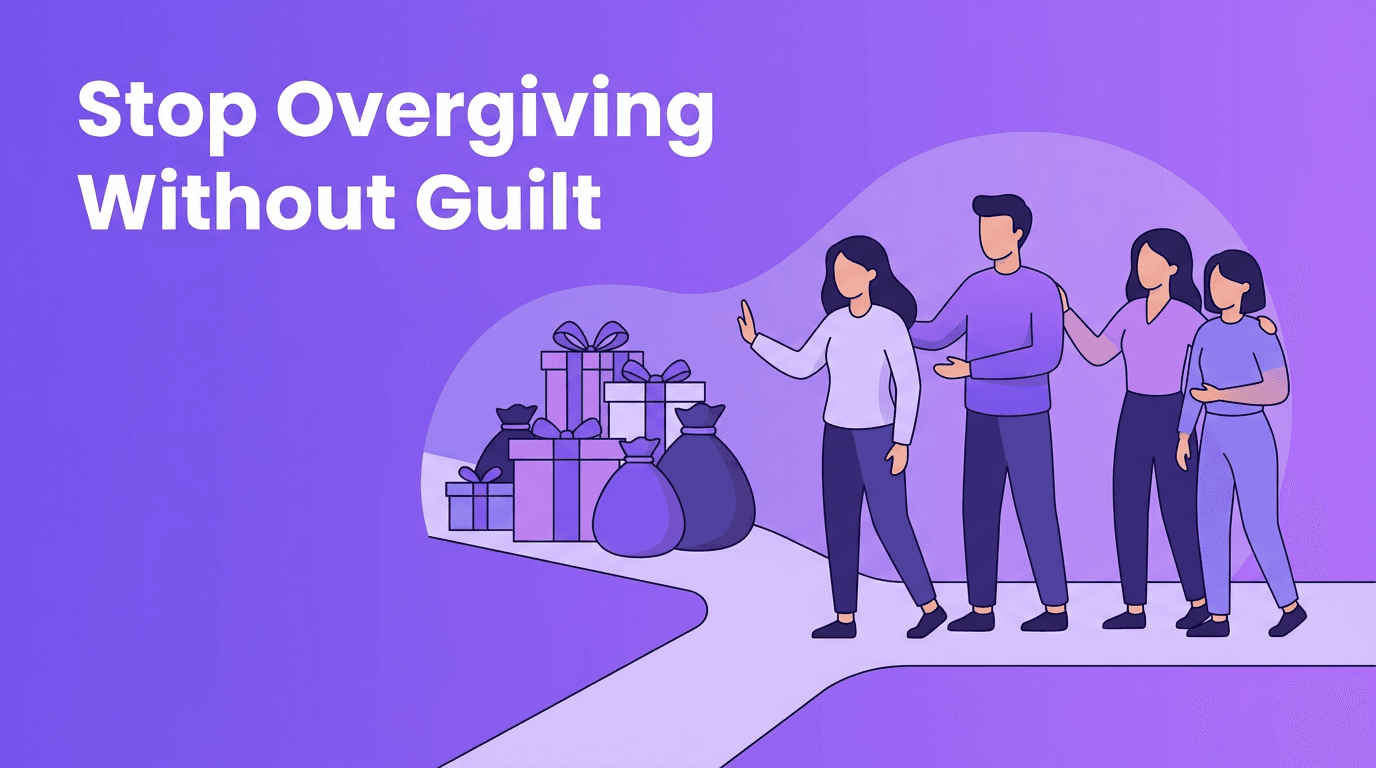
This is why learning saying no matters. No is not hostility. No is information. It tells other people where you end and where they begin.
A 4-step reset for people pleasing patterns
1. Pause before answering
If you tend to agree automatically, buy yourself time. Try: "Let me think about that and get back to you." This simple pause interrupts reflexive people pleasing and creates space for a real choice.
2. Check the cost
Before you say yes, ask: What will this cost me in time, energy, peace, or resentment? A request is not only about whether you can do it. It is also about whether doing it supports your values and healthy relationships.
3. Use a clean no
A clean no is brief, respectful, and not overloaded with excuses. For example: "I can't help with that this week." Or, "I'm not available tonight." Clear language protects boundaries better than long justifications, which often invite negotiation.
4. Let discomfort be temporary
The hardest part of saying no is often not the words. It is surviving the guilt, fear, or awkward silence that comes after. Remind yourself that discomfort does not mean you did something wrong. Sometimes it means you did something new.
Need support practicing boundaries?
Haply is an AI life coaching app for iOS and Android with chat-based Relationships coaching, habit tracking, daily reminders, and guided tools that can help you build confidence around boundaries and self-worth.
Try Haply FreeBoundary phrases that protect self-worth
- "I can't commit to that right now."
- "That doesn't work for me."
- "I need more time before I decide."
- "I'm not available, but I hope it goes well."
- "I care about you, and my answer is still no."
Notice what these responses have in common. They are calm, clear, and do not attack the other person. Strong boundaries are not about becoming cold. They are about becoming honest enough to stop abandoning yourself in the name of harmony.
How to tell if a relationship is healthy after you start saying no
One of the clearest tests of healthy relationships is what happens after you set a limit. A safe person may feel disappointed, but they can still respect your answer. Someone invested in your compliance may pressure, guilt, or punish you for changing the pattern. Their reaction gives you useful information.
- Healthy people may ask questions, but they do not keep pushing
- They do not make your needs seem selfish or dramatic
- They can handle a boundary without withdrawing affection
- They respect your time, energy, and emotional reality
- They allow mutuality instead of rewarding only people pleasing
Small daily practices to stop people pleasing
- Name one preference out loud each day, even something small like where you want to eat
- Delay non-urgent replies so you can answer intentionally
- Track moments when you felt resentment, it often points to a missed boundary
- Replace "I don't mind" with a true opinion when you have one
- Use supportive tools like Haply's habit tracker, reminders, and Relationships coaching to practice saying no consistently
You do not need to become harder to build self-worth. You need to become more loyal to your own reality. The goal is not to stop being caring. The goal is to care for others without disappearing yourself.
Frequently Asked Questions
How do I stop people pleasing in relationships?
Start by pausing before you agree, identifying your real limits, and practicing short, clear responses. Small consistent boundaries build confidence over time.
Why does saying no make me feel guilty?
Guilt often appears when you are used to earning safety through compliance. Feeling guilty does not always mean your boundary is wrong, it may mean the pattern is changing.
Can people pleasing ruin healthy relationships?
Yes. People pleasing can create resentment, unclear communication, and inauthentic closeness. Healthy relationships grow stronger when both people can be honest about needs and limits.
What are signs of weak boundaries?
Common signs include overcommitting, resentment, fear of disappointing others, and difficulty expressing preferences. You may also feel responsible for managing everyone else's emotions.
How can I build self-worth while setting boundaries?
Treat your needs as valid, use respectful no's, and notice who responds with care. Repeatedly honoring your limits teaches your mind and body that you matter too.