Boundary Scripts: How to Practice Saying No Without Losing Your Self-Worth
Boundary scripts can make saying no feel calmer, clearer, and less guilty. Learn how to protect your self-worth, reduce people pleasing, and build healthy relationships.

By Haply Team
Haply Editorial Team
If boundary scripts sound awkward or overly rehearsed, you are not alone. For many people, saying no triggers guilt, fear of rejection, and old people pleasing habits. But having words ready is not cold or selfish. It is a practical way to protect your self-worth and create healthy relationships where your needs matter too.
Why boundary scripts work when emotions run high
In real conversations, your nervous system often reacts before your best intentions do. You might freeze, overexplain, soften your no into a maybe, or agree to something you resent later. Boundary scripts reduce that pressure by giving you a simple starting point. Instead of inventing the perfect response on the spot, you use a clear phrase that reflects your values.
- They reduce panic by giving your brain a familiar response.
- They support self-respect when your fear of disappointing others takes over.
- They make saying no clearer so mixed signals do not create more conflict.
- They interrupt people pleasing by replacing automatic yeses with intentional choices.
"A boundary is not a punishment for someone else. It is a form of care for your own well-being."
The hidden link between self-worth and saying no
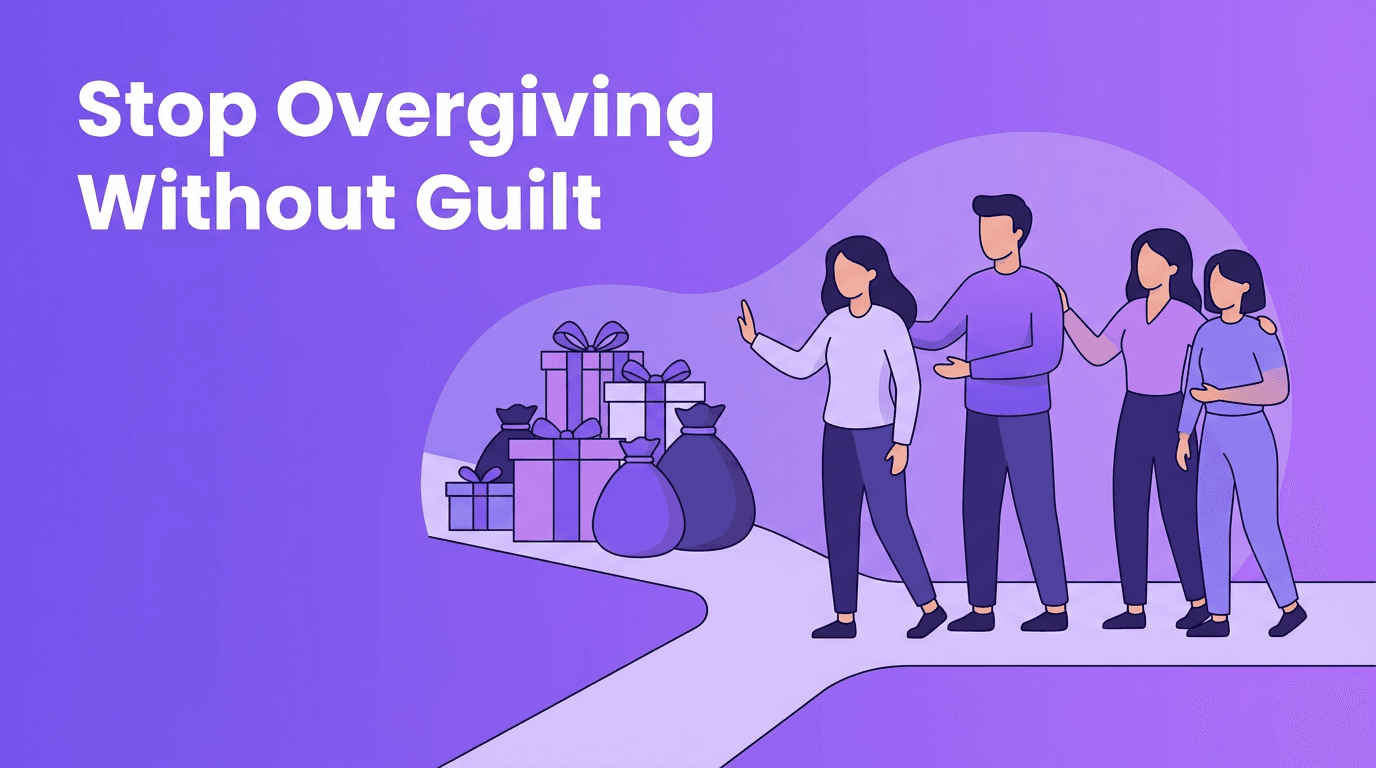
When your self-worth depends on being useful, agreeable, or endlessly available, boundaries can feel dangerous. You may unconsciously believe, "If I disappoint someone, I lose connection." That belief fuels overgiving and emotional exhaustion. The truth is that healthy relationships can survive a respectful no. In fact, they often become stronger because honesty replaces silent resentment.
Signs your no gets lost
- You say yes quickly, then feel dread afterward.
- You explain your decision for too long, hoping to be approved.
- You call your needs "too much" or "not important enough."
- You feel responsible for other people's reactions.
- You avoid conflict so hard that your boundaries disappear.
If these patterns feel familiar, you do not need more shame. You need practice, language, and support. That is where boundary scripts become powerful.
5 boundary scripts for common relationship situations
1. When someone asks for more time than you can give
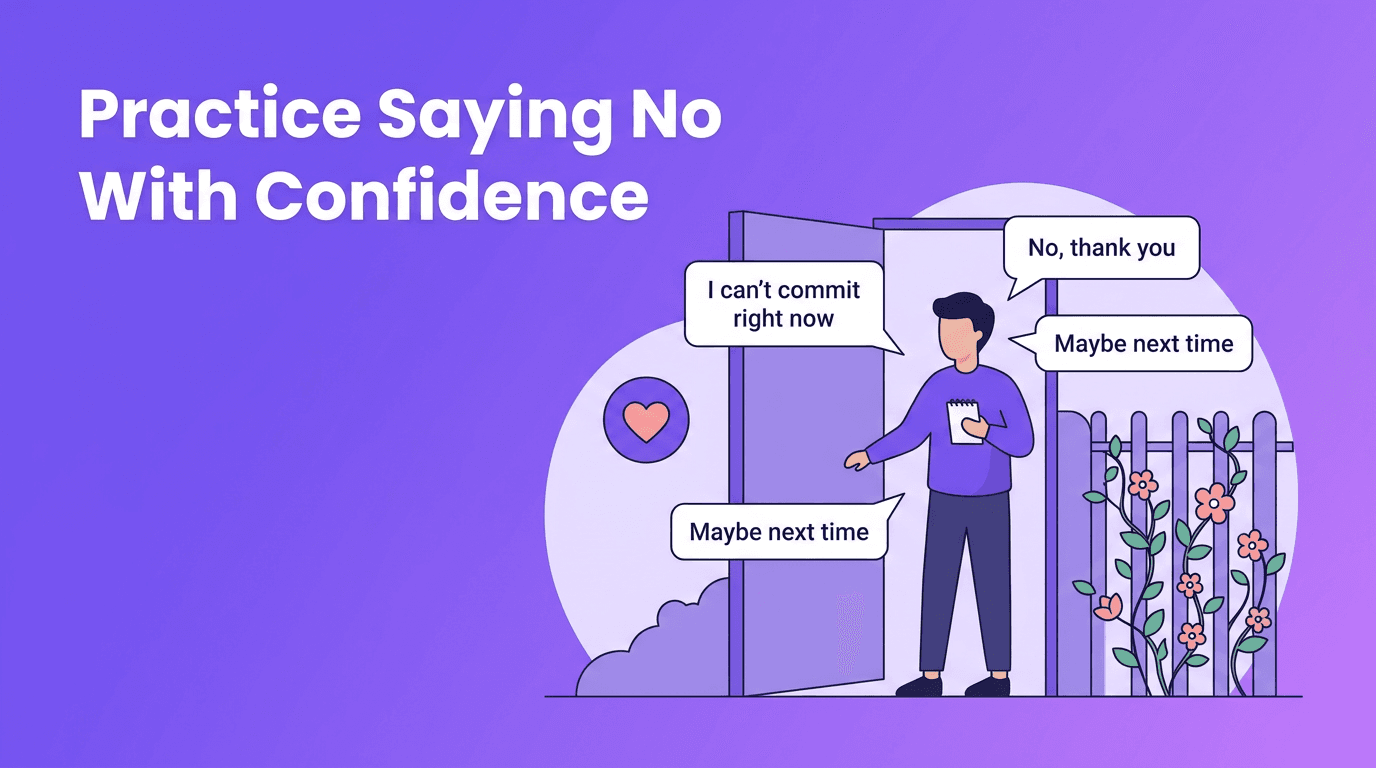
Try: "I can't commit to that right now." If needed, add: "I want to be honest instead of saying yes and not following through." This script is useful with friends, family, coworkers, and dating situations.
2. When you need space without overexplaining
Try: "I need some time to recharge, so I won't be available tonight." This helps you honor your energy without apologizing for having limits.
3. When someone keeps pushing after you said no
Try: "I understand you're disappointed, but my answer is still no." This is a strong reset when someone treats your boundary like the start of a negotiation.
4. When a relationship dynamic feels one-sided
Try: "I care about this relationship, but I need more balance in how we show up for each other." This script opens a conversation without attacking the other person.
5. When guilt makes you want to backtrack
Try: "I am allowed to make choices that support my well-being." This one is not for them. It is for you. Repeat it before or after hard conversations to anchor your self-worth.
How to make boundary scripts sound natural, not robotic
You do not need to speak like a therapist to set a boundary. The best scripts are short, calm, and believable in your own voice. Start with one sentence. Skip the long defense. If you want, add warmth without removing clarity.
- Use plain language you would actually say.
- Keep your message to one or two sentences.
- Avoid over-apologizing. A brief "sorry" is enough if it feels appropriate.
- Do not turn a no into a debate unless you truly want discussion.
- Practice out loud so your body gets used to hearing the words.
Want support practicing boundaries?
Haply is an AI life coaching app for iOS and Android with specialized Relationships coaches that help you rehearse hard conversations, reflect on triggers, and build better habits around boundaries, confidence, and communication. You can also use tools like daily reminders and habit tracking to stay consistent.
Try Haply FreeA 4-step routine to stop people pleasing before it starts
If people pleasing is automatic, try this quick pause before responding to requests.
- Pause: Do not answer immediately. Say, "Let me think about that."
- Check: Ask yourself, "Do I truly want to do this, or am I afraid to disappoint?"
- Choose: Decide based on capacity, values, and energy, not guilt.
- Communicate: Use one of your boundary scripts clearly and kindly.
This routine helps saying no become a decision, not a crisis. Over time, it teaches your nervous system that limits are safe.
What healthy relationships do with your boundaries
Not everyone will love your new clarity. Some people benefited from your lack of limits. But healthy relationships make room for honesty, repair, and mutual respect. A caring person may need time to adjust, yet they do not require you to abandon yourself to keep the peace.
"The right people may not like every boundary, but they will learn how to respect it."
That distinction matters. Boundaries do not guarantee comfort. They reveal compatibility, reciprocity, and emotional maturity.
Make boundary practice easier with small daily reps
Confidence does not usually appear all at once. It grows through repetition. You can build your boundary muscle in low-stakes moments first, like declining a plan, delaying a reply, or naming a preference at dinner. Inside Haply, many people use chat-based coaching, the habit tracker, and the Today Dashboard to practice one small act of self-respect each day and notice real progress over time.
Frequently Asked Questions
How do I say no without feeling guilty?
Guilt often shows up when you are used to prioritizing other people's comfort over your own needs. Use a short, respectful response, and remind yourself that protecting your energy supports healthier relationships.
What are good boundary scripts for relationships?
Good boundary scripts are clear, brief, and kind. Examples include "I can't commit to that," "I need time to think," and "My answer is no, even if it's disappointing."
Can saying no improve healthy relationships?
Yes. Saying no honestly reduces resentment, confusion, and burnout. It helps relationships become more balanced, respectful, and emotionally safe.
Why is people pleasing connected to self-worth?
People pleasing often comes from believing you need to earn love, approval, or belonging. Strengthening self-worth helps you make choices based on values instead of fear.