Networking for Introverts: A Quiet Confidence Plan to Build Rapport Without Small Talk
Networking for introverts can feel draining, especially with social anxiety in the mix. This practical guide shows how to build rapport, strengthen social skills, and approach networking with less pressure.

By Haply Team
Haply Editorial Team
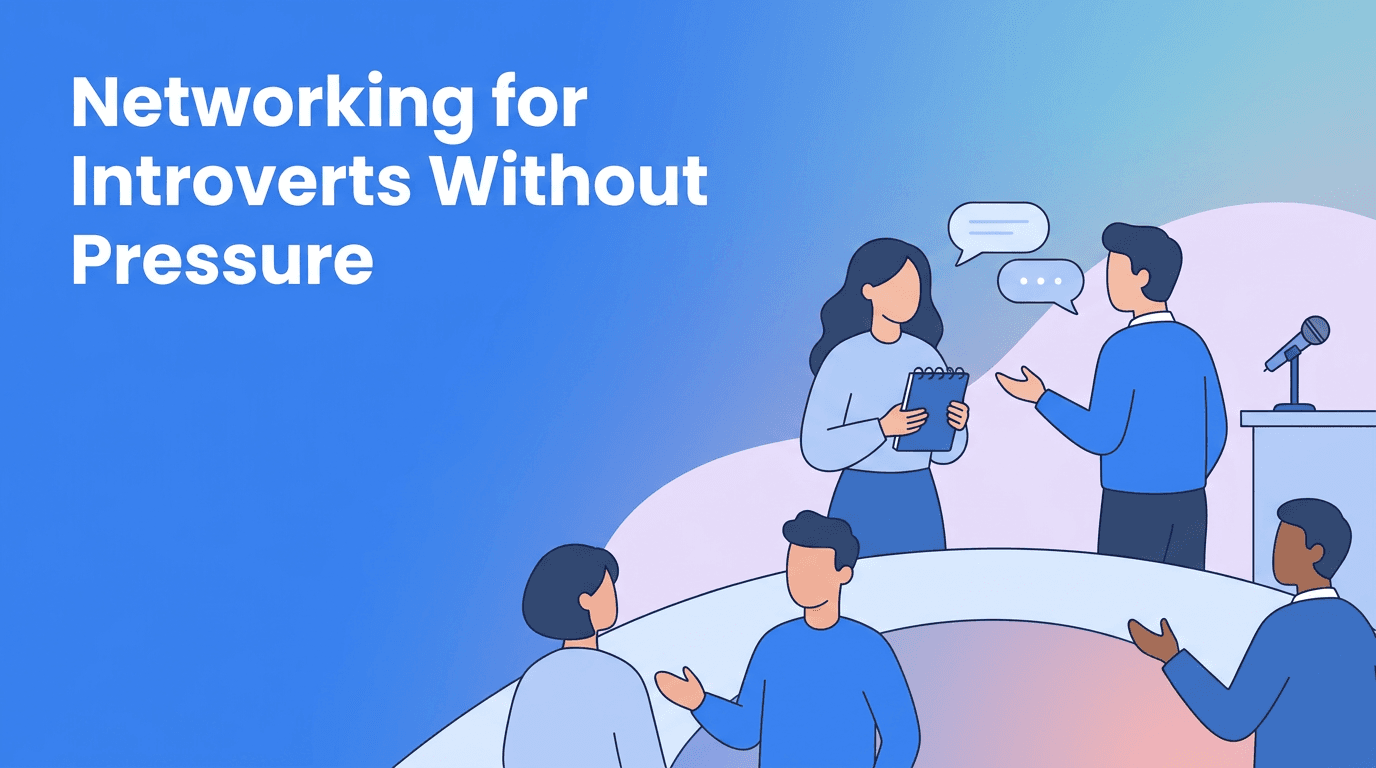
Networking for introverts does not have to mean becoming louder, more outgoing, or endlessly social. If you are an introvert, deal with social anxiety, or freeze at the thought of public speaking, a better goal is simple: learn a repeatable way to build rapport without pretending to be someone you are not.
Why networking feels harder for quiet people
Many people think networking is just fast talk, confident handshakes, and clever small talk. That idea pushes quiet people away before they even begin. In reality, strong social skills often look like listening well, asking thoughtful questions, remembering details, and following up with care. Those are areas where many introverts already have an advantage.
The problem is not your personality. The problem is pressure. When networking feels like a performance, your brain may switch into self-protection mode. That is why networking for introverts works best when it is treated as a low-pressure relationship skill, not a popularity contest.
"You do not need to impress everyone. You only need to connect with one person at a time."
A 4-step networking plan that lowers social anxiety
1. Pick a small win before the event
Instead of telling yourself to meet ten people, choose one realistic target. For example: start two conversations, ask one meaningful question, or stay for 30 minutes. Smaller goals reduce social anxiety and give your nervous system a clear finish line.
2. Use rapport questions, not impressive questions
A lot of networking advice focuses on sounding smart. A better strategy is sounding interested. Try questions like: "What kind of projects are you enjoying lately?" or "How did you get into this work?" These openers build rapport faster than rehearsed clever lines because they invite real stories.
- Ask about energy, not just achievements: "What part of your work feels most exciting right now?"
- Reflect back one detail: "That sounds like a big shift from your previous role."
- Use simple follow-ups: "What led to that?" or "How has that been going?"
- End cleanly: "I enjoyed talking with you. I am going to grab water, but I would love to stay in touch."
3. Plan recovery breaks
For an introvert, social stamina matters. Step outside, go to the restroom, check your notes, or take three slower breaths between conversations. Breaks are not failures. They are part of an effective networking for introverts strategy because they help you return with steadier attention.
4. Follow up within 24 hours
If live conversation feels awkward, use writing to your advantage. Send a short message that mentions something specific: "Great meeting you today. I liked hearing your perspective on remote team culture." This deepens rapport and turns one interaction into the start of a professional relationship.
How public speaking connects to networking
Many quiet people separate public speaking from networking, but they are closely linked. Both ask you to manage attention, regulate nerves, and express one clear idea. You do not need to love the spotlight. You only need a short self-introduction that feels natural.
- Name who you are
- Say what you are working on
- Add what interests you right now
- Invite connection with a question like, "What about you?"
Example: "I am Maya. I work in UX research, and lately I have been interested in how people build trust in digital products. What kind of work are you focused on these days?" This is simple, warm, and easier to remember than a polished speech.
Build confidence between social moments
Haply can help you practice social confidence in small daily steps. Use chat-based coaching, habit tracking, and calming tools like Breathe to prepare for networking, conversations, and public speaking with less pressure.
Try Haply FreeSocial skills that matter more than being charismatic
If you want stronger social skills, stop measuring success by how exciting you seem. Focus on skills that create safety and clarity. People remember how they felt around you more than how dazzling you sounded.
- Presence: keep your attention on the person instead of monitoring yourself
- Pacing: speak a little slower when nerves rise
- Curiosity: ask questions you genuinely want answered
- Warmth: smile softly, nod, and thank people for sharing
- Specificity: mention one detail from the conversation when you follow up
A gentle practice routine for networking with social anxiety
Try this for one week. Day 1: write a short self-introduction. Day 2: practice two rapport questions. Day 3: send one low-stakes message to someone you already know. Day 4: speak up once in a meeting or group chat. Day 5: attend one brief event or online community session. Day 6: reflect on what felt easier than expected. Day 7: reward the effort, not just the outcome.
If you want support, Haply's AI life coaching app on iOS and Android can help you turn these actions into habits. Its personalized coaching, daily reminders, streaks, and Today Dashboard make it easier to practice consistently, especially when progress feels slow. For relationship confidence, Haply's coaches can help you prepare for social situations with more self-trust.
Frequently Asked Questions
How can introverts get better at networking?
Introverts get better at networking by using a simple plan: set a small goal, ask thoughtful questions, take breaks, and follow up afterward. Consistency matters more than being naturally outgoing.
What are the best networking tips for social anxiety?
The best tips are to lower the pressure, prepare a short introduction, focus on one-to-one conversations, and define success with small wins. Calm repetition helps reduce anxiety over time.
How do you build rapport without small talk?
Build rapport by asking open questions, listening closely, and reflecting back specific details. People feel connected when they feel understood, not entertained.
Can public speaking improve social skills?
Yes. Public speaking can improve confidence, clarity, and emotional regulation, which also help in everyday conversations and networking situations.