Love Languages in Dating: A Practical Guide for Stronger Romantic Relationship Habits
Love languages can shape a healthier romantic relationship from the start. Learn how dating couples can use them to build intimacy, reduce confusion, and strengthen partnership habits.

By Haply Team
Haply Editorial Team
Early dating can feel exciting, confusing, and surprisingly revealing. Love languages often show up long before labels, plans, or commitment talks. If you have ever felt cared for but still somehow unseen, or deeply interested in someone but unsure how to express it, learning love languages can help you build a healthier romantic relationship from the beginning.
Why love languages matter in dating
Many people treat attraction like chemistry alone, but strong connection usually grows from repeated moments of feeling understood. In dating, two people can like each other and still miss each other emotionally. One person may plan thoughtful dates, while the other just wants more verbal reassurance. That mismatch can create doubt even when the interest is real. Understanding love languages gives dating couples a practical way to notice what creates closeness, comfort, and intimacy.
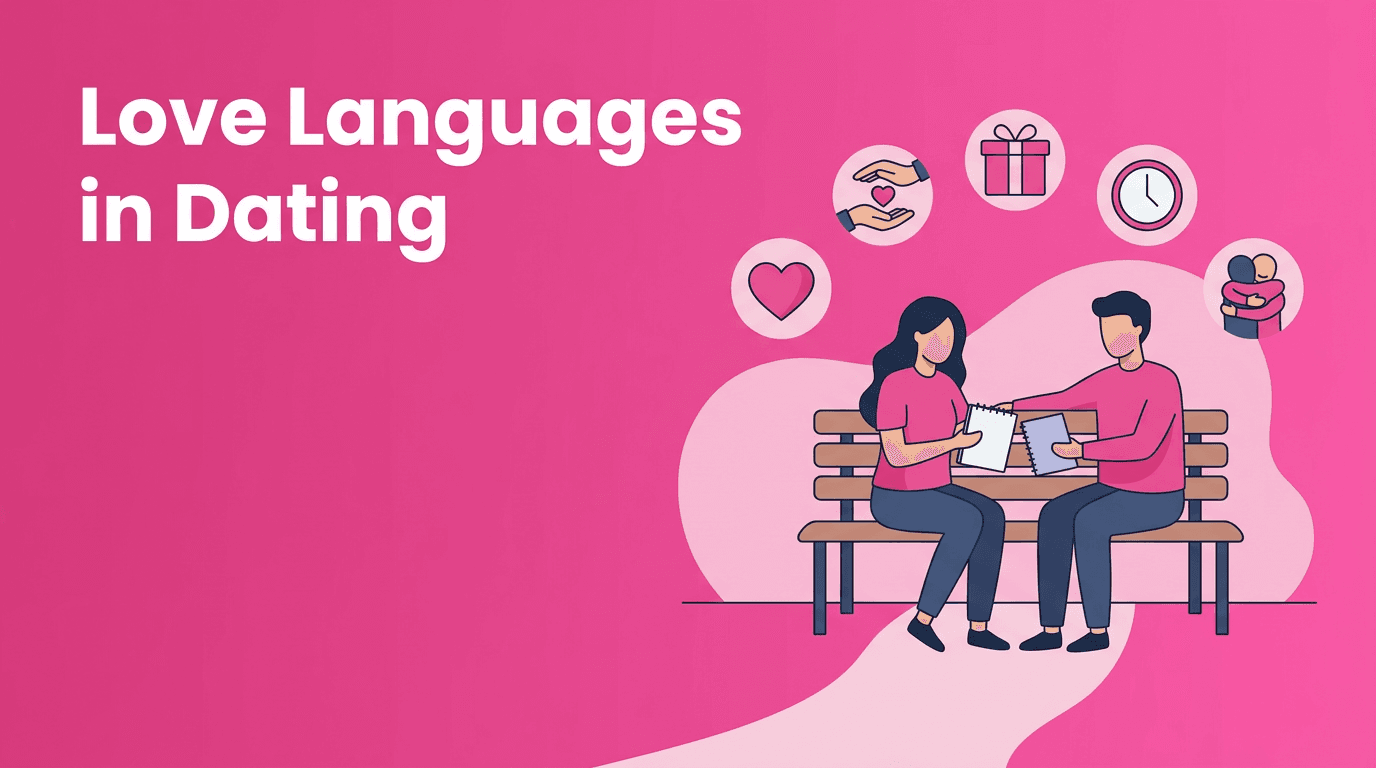
- Words of affirmation - feeling loved through sincere praise, encouragement, and verbal appreciation
- Quality time - feeling connected through focused attention and shared experiences
- Acts of service - feeling cared for when someone helps in practical, thoughtful ways
- Physical touch - feeling close through affectionate and welcome touch
- Receiving gifts - feeling remembered through meaningful symbols and thoughtful surprises
"People feel safer in love when care is expressed in a way they can actually receive."
The biggest myth about love languages
A common mistake is assuming your love language is a fixed personality label. It is more useful to treat it as a pattern of emotional preference. Your needs may shift depending on stress, life stage, attachment history, or the seriousness of the partnership. Someone who usually values quality time might crave words of affirmation during conflict. Someone who likes gifts may really be seeking evidence that they were on your mind. The goal is not to sort people into boxes. The goal is to get more precise about care.
What this means for a romantic relationship
In a growing romantic relationship, love languages work best as a conversation starter, not a compatibility test. Instead of asking, "Are we the same?" ask, "How do we each experience love most clearly?" That question leads to better conversations about expectations, effort, and emotional safety.
How to spot love languages early without making dating feel scripted
You do not need to hand someone a quiz on the third date. Listen to what they naturally notice and appreciate. Do they light up when you compliment their character? Do they mention how meaningful it was that you made time for them? Do they remember small gifts for friends and family? The clues are usually in what they repeatedly value.
- Notice what they thank you for most often
- Pay attention to what they complain about missing in past relationships
- Watch how they naturally show care to you
- Ask simple questions like, "What helps you feel close to someone?"
- Reflect on whether your own style of affection is being clearly understood
Want help building healthier relationship habits?
Haply is an AI life coaching app for iOS and Android with specialized Relationships coaches, chat-based guidance, habit tracking, and daily reminders that help you practice better communication and emotional awareness.
Try Haply FreeA simple 3-step love languages check-in for couples
If you are already dating consistently or moving into a more serious partnership, try this short weekly check-in. It keeps couples from assuming effort automatically equals impact.
- Step 1: Name one moment this week when you felt especially cared for
- Step 2: Name one gesture you wished for but did not receive
- Step 3: Choose one small action for next week based on each other's answers
Examples that build intimacy instead of pressure
- If they value words of affirmation, send one specific text about what you admire in them
- If they value quality time, put phones away during dinner or a walk
- If they value acts of service, make a stressful task easier without being asked
- If they value physical touch, check consent and offer more affectionate everyday contact
- If they value receiving gifts, bring something small that shows you remembered a detail they shared
These actions are not about performing romance. They are about building intimacy through consistency. Small, repeated signals often matter more than dramatic gestures in dating.
When love languages create tension
Sometimes people use love languages to defend minimal effort or avoid growth. For example, "I just am not a words person" can become an excuse to never offer reassurance. Or someone may insist on physical touch without respecting timing, context, or consent. Healthy use of love languages should increase mutual understanding, not override boundaries.
- Do not treat your preference as a rule the other person must obey
- Do not assume one good gesture cancels out ongoing neglect
- Do not use love languages to pressure someone into unwanted intimacy
- Do use them to ask for care clearly, kindly, and specifically
- Do stay open to learning a wider emotional vocabulary over time
How Haply can support your dating communication
If you want more structure, Haply can help turn insight into action. Its Relationships coaches offer chat-based personalized coaching for communication patterns, emotional clarity, and dating reflection. You can also use habit tracking, daily reminders, and the Today Dashboard to practice one small connection habit each day, like giving clearer appreciation or planning intentional quality time.
The real goal is not matching, it is translating
The healthiest couples are not always the ones with identical needs. They are often the ones who learn how to translate care into forms the other person can feel. That is what makes a partnership more resilient. In dating, this skill can help you move beyond guessing games and into clearer, kinder connection.
If you want a stronger romantic relationship, start small. Ask what helps your partner feel valued. Share what makes you feel close. Then repeat what works. Love languages are not magic, but they can become a practical map for building trust, affection, and everyday intimacy.
Frequently Asked Questions
What are the 5 love languages in dating?
The five love languages are words of affirmation, quality time, acts of service, physical touch, and receiving gifts. In dating, they can help you understand how someone prefers to give and receive care.
Can love languages improve a romantic relationship?
Yes, love languages can improve a romantic relationship by making affection more clear and intentional. They help couples reduce misunderstandings and build intimacy through everyday actions.
How do I ask my partner about love languages?
Keep it simple and curious. Ask questions like, "What makes you feel most appreciated?" or "What kind of affection helps you feel close?"
Do couples need the same love language to be compatible?
No, couples do not need the same love language to be compatible. What matters more is willingness to understand, communicate, and respond to each other's needs.