People Pleasing in Relationships: How to Stop Overgiving Without Guilt
People pleasing in relationships can blur boundaries, weaken self-worth, and make saying no feel impossible. Learn practical steps to build healthier relationships without overgiving.

By Haply Team
Haply Editorial Team
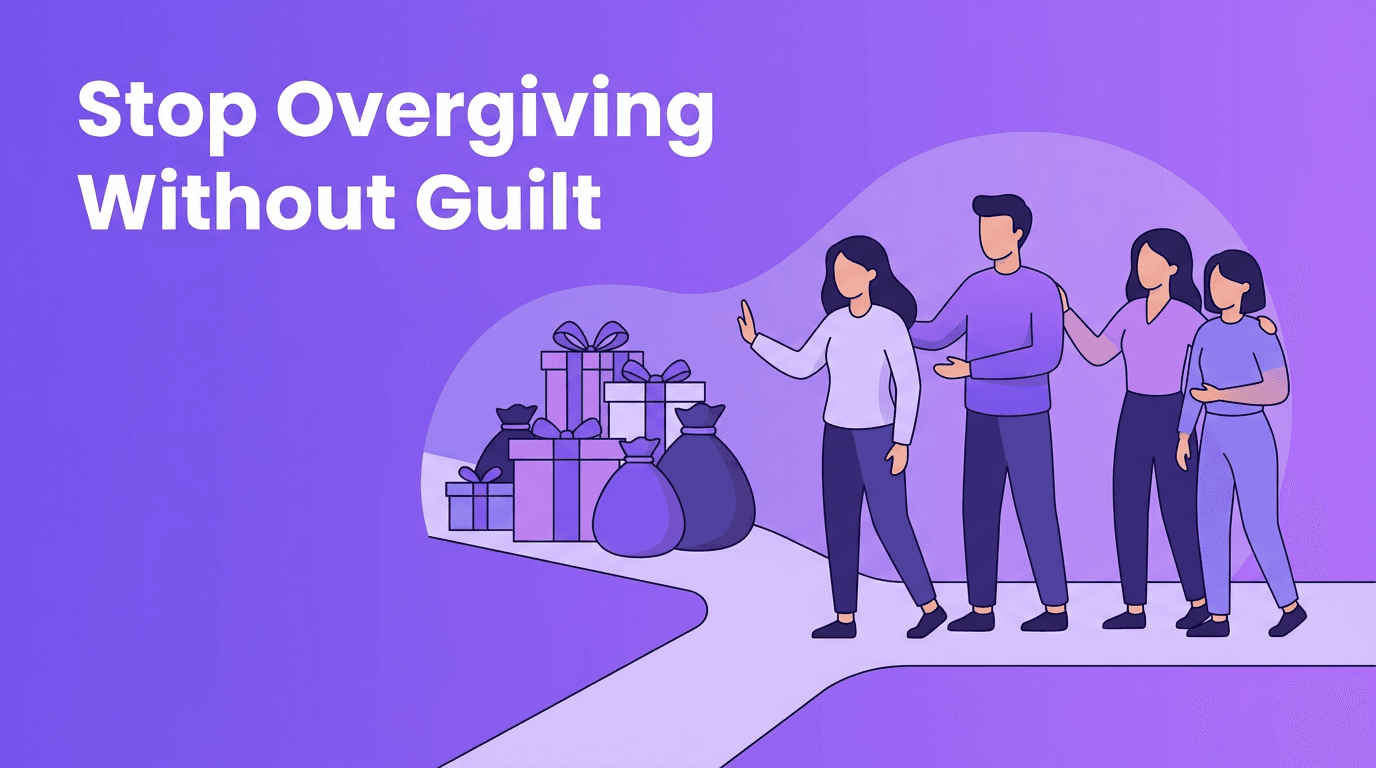
People pleasing often looks like kindness from the outside, but inside it can feel like exhaustion, anxiety, and a constant fear of disappointing others. If you struggle with boundaries, second-guess saying no, or tie your self-worth to being useful, this pattern can quietly shape your closest connections. The good news is that you can stay caring without abandoning yourself, and that is the foundation of healthy relationships.
Why people pleasing feels so hard to quit
Many people do not become over-accommodating by accident. People pleasing can start as a survival strategy. Maybe keeping others happy helped you avoid conflict, earn approval, or feel safe growing up. In adult relationships, that old strategy can continue long after it stops helping. You may say yes when you mean no, over-explain simple preferences, or feel responsible for everyone else's mood.
"Real connection does not require you to disappear. The healthiest love leaves room for your needs too."
Common signs you are overgiving
- You agree to plans you do not want, then feel resentful later.
- You apologize for having normal needs, limits, or emotions.
- You fear that saying no will make people leave, get angry, or think less of you.
- You feel valuable mainly when you are helping, fixing, or accommodating others.
- Your boundaries change depending on who is asking.
- You ignore your own stress until it shows up as burnout, numbness, or irritability.
How people pleasing affects self-worth and healthy relationships
At first, overgiving may seem like it keeps the peace. But over time, people pleasing can weaken trust in two directions. You stop trusting yourself because you keep overriding your own feelings, and other people may never get to know the real you. That makes intimacy harder. Healthy relationships need honesty, not constant performance.
This is where self-worth matters. When your value depends on being agreeable, every disagreement can feel like a threat. A delayed text feels personal. A request feels mandatory. Another person's disappointment feels like proof that you failed. Rebuilding self-worth means learning that your needs are not a problem to manage away.
The hidden cost of always being the easy one
- You become emotionally tired from managing other people's comfort.
- Resentment builds because your care is not matched or noticed.
- You lose clarity about what you actually want.
- Conflict gets delayed, then comes out in sharper ways later.
- You attract relationships that benefit from weak boundaries.
A practical reset: 5 ways to stop people pleasing
1. Pause before you answer
If instant yes is your default, create a short buffer. Try: "Let me check and get back to you." This simple pause helps you notice whether your answer is coming from willingness or fear. Practicing this is one of the fastest ways to change people pleasing patterns.
2. Use small, clear boundaries
You do not need a dramatic speech to set boundaries. Start with low-stakes moments. You might say, "I can't talk right now, but I can call tomorrow," or "I'm not available this weekend." Clear is kinder than vague. It reduces confusion and protects your energy.
3. Let discomfort exist without fixing it
One reason saying no feels so intense is that you may be trying to prevent all discomfort, yours and theirs. But discomfort is not danger. Someone can feel disappointed and still respect you. You can feel guilty and still make the right choice for yourself.
4. Separate kindness from self-erasure
Being generous is not the same as abandoning your limits. Ask yourself: "Would I still choose this if I were not afraid of being disliked?" That question helps you spot when care is genuine and when it is driven by fear. Healthy relationships make room for both support and honesty.
5. Build self-worth from the inside
Try measuring your day by integrity instead of approval. Did you tell the truth gently? Did you honor your capacity? Did you respect your body, time, and emotions? Real self-worth grows when your actions align with your values, not when everyone stays pleased with you.
Need help practicing new relationship habits?
Haply is an AI life coaching app for iOS and Android with personalized Relationships coaching, habit tracking, daily reminders, and chat-based support to help you strengthen boundaries, communication, and self-trust.
Try Haply FreeScripts for saying no without guilt
- "I appreciate you asking, but I can't commit to that."
- "That doesn't work for me, but I hope it goes well."
- "I'm not available to help this time."
- "I need to pass so I can protect my energy this week."
- "I hear that this matters to you. My answer is still no."
If these lines feel blunt, remember this: respectful does not mean endless explanation. The more you practice saying no, the more natural it becomes. You are not being harsh. You are being honest.
How to know a relationship is becoming healthier
- You can express preferences without panic.
- You do less mind-reading and more direct communication.
- Disappointment does not automatically become a crisis.
- Your boundaries are respected more often than tested.
- You feel calmer, clearer, and more like yourself around the other person.
If you want extra support, Haply can help you turn insight into action. Its Today Dashboard, streak-based habit tracker, and chat-based coaching can help you practice one boundary at a time, especially if old people pleasing habits tend to return under stress.
Frequently Asked Questions
How do I stop people pleasing without feeling guilty?
Start with a pause before answering requests, use short boundary statements, and let guilt pass without treating it as a sign you are doing something wrong. Guilt often fades with practice.
Can saying no improve healthy relationships?
Yes. Saying no honestly creates clarity, reduces resentment, and makes trust stronger over time. Healthy relationships can handle limits.
Why is self-worth connected to boundaries?
When you believe your needs matter, it becomes easier to protect your time, energy, and emotions. Strong self-worth supports clear boundaries.
What are signs of people pleasing in a relationship?
Common signs include agreeing when you want to refuse, apologizing for basic needs, fearing conflict, and feeling responsible for another person's emotions.