Emotional Safety in Dating: The Quiet Skill That Strengthens a Romantic Relationship
Emotional safety in dating can shape every romantic relationship. Learn practical habits that help couples build trust, intimacy, and a steadier partnership.

By Haply Team
Haply Editorial Team
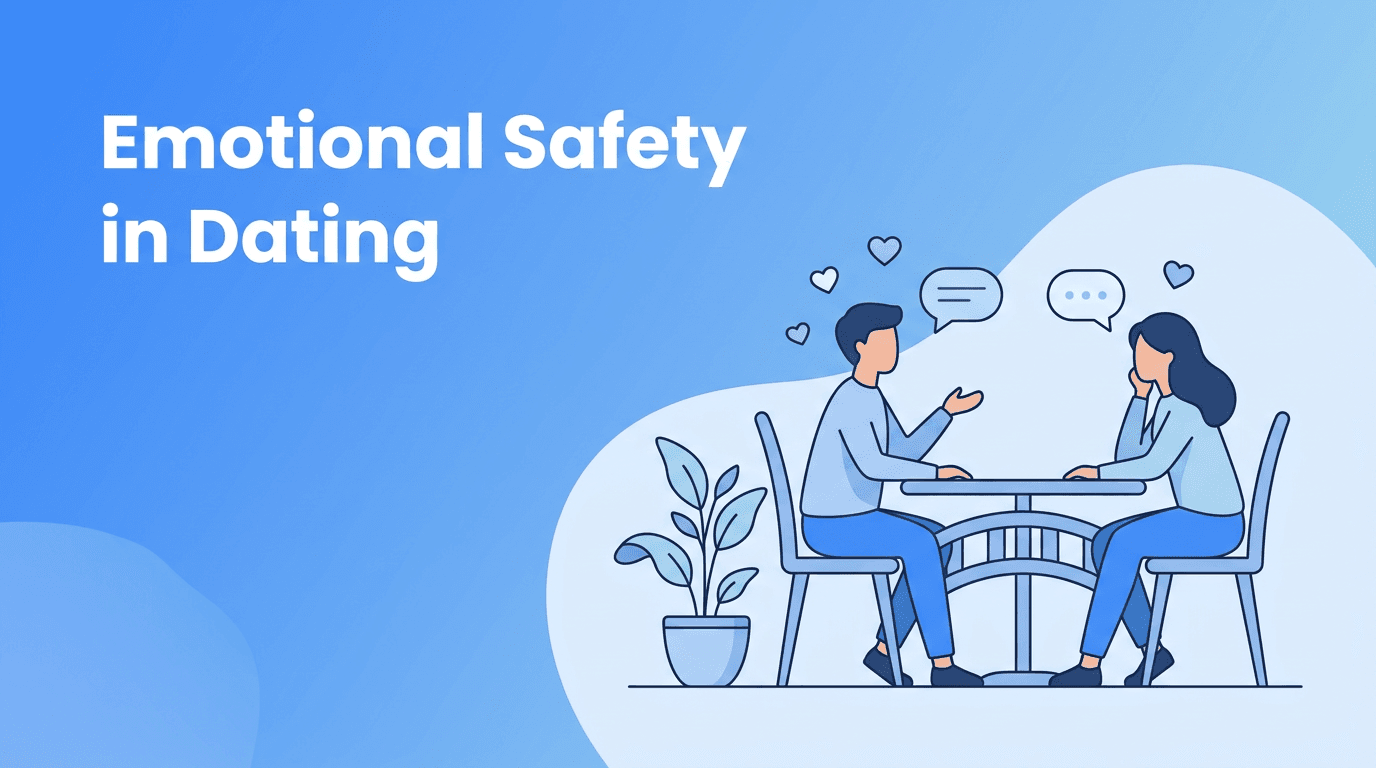
A lot of dating advice focuses on chemistry, attraction, or compatibility, but emotional safety is often the real reason a romantic relationship feels calm, secure, and worth building. When emotional safety is present, couples can be honest without fearing ridicule, ask for what they need, and create the kind of intimacy that supports a lasting partnership.
Why emotional safety matters in a romantic relationship
In early dating, people usually look for sparks. But sparks alone do not create stability. Emotional safety is the feeling that you can show up as yourself and still be treated with care. It helps couples move from surface-level attraction into deeper trust, especially when differences, stress, or misunderstandings appear.
- You can share feelings without being mocked or dismissed
- Conflict feels manageable, not threatening
- Both people feel heard, even when they disagree
- Affection, vulnerability, and intimacy feel more natural
- The partnership becomes more resilient over time
"Intimacy grows where honesty feels safe."
What emotional safety looks like while dating
In dating, emotional safety is rarely dramatic. It often shows up in small, repeatable behaviors. A person follows through. They stay respectful during hard conversations. They do not weaponize your vulnerability later. These patterns matter more than grand gestures.
Green flags couples should notice early
- They ask questions with genuine curiosity instead of making assumptions
- They can talk about needs, limits, and expectations clearly
- They apologize without turning the conversation back on you
- They respect your pace around physical and emotional intimacy
- They care about your experience, not just their own comfort
What gets in the way
Even caring people can struggle to create emotional safety if they learned poor communication habits. Defensiveness, sarcasm, shutdowns, mixed signals, and mind reading can slowly erode trust. Sometimes people rely too heavily on love languages as a shortcut, when what the relationship really needs is emotional steadiness, accountability, and openness.
5 habits that build emotional safety for couples
1. Respond before you react
When a conversation gets tense, slow down. A quick defensive reaction can make your partner feel unsafe. A thoughtful response sounds like, "I want to understand what you mean," or "Give me a second to process that." This simple pause protects intimacy.
2. Validate before solving
Many couples rush into fixing mode. But people usually want to feel understood first. Try saying, "That makes sense," or "I can see why that hurt." Validation does not mean agreement. It means you are honoring the other person's reality.
3. Be clear about your needs
Guessing games create anxiety in dating. If you want consistency, reassurance, more quality time, or slower pacing, say it directly. In a healthy partnership, clear requests are easier to work with than hidden expectations.
4. Protect vulnerable disclosures
If someone shares an insecurity, fear, or painful memory, treat it with care. Do not joke about it later, bring it up to win an argument, or use it as proof that they are "too much." Emotional safety deepens when disclosure is met with respect.
5. Repair after difficult moments
No couple gets it right every time. What matters is the repair. A sincere check-in, ownership of impact, and a plan to do better can restore trust faster than pretending nothing happened. This is how emotional safety becomes a practice, not just a feeling.
Build healthier relationship habits with Haply
Want more support creating emotional safety, better communication, and deeper intimacy? Haply offers AI life coaching on iOS and Android, including Relationships coaches, habit tracking, and daily tools that help you grow with intention.
Try Haply FreeHow love languages fit into emotional safety
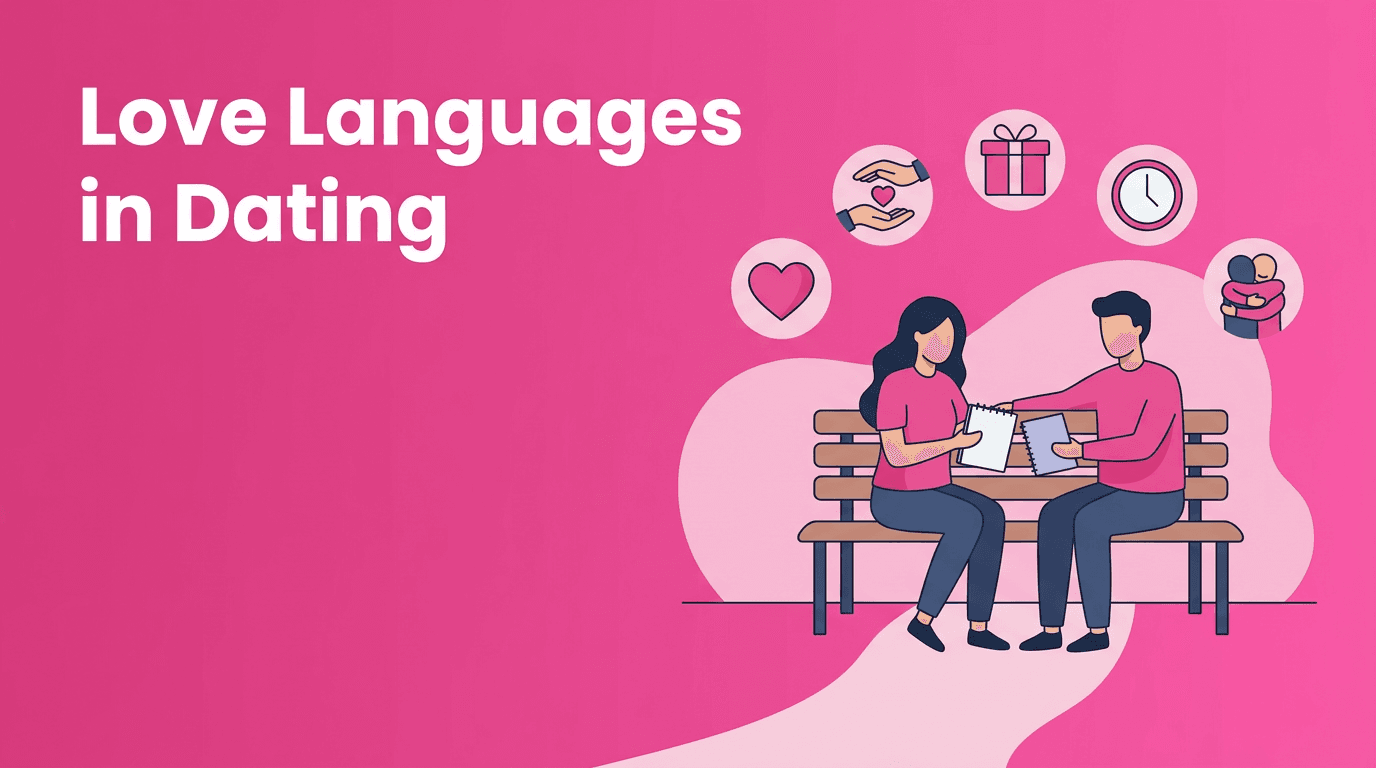
Love languages can be helpful, but they work best when emotional safety already exists. For example, words of affirmation do not land well if criticism is common. Physical touch may not feel connecting if boundaries are ignored. Acts of service can even feel transactional if there is resentment underneath. The point is not just to express love, but to express it in a way that feels safe and sincere.
- Use love languages as a tool, not a substitute for communication
- Ask which gestures feel comforting during stress
- Notice whether your partner receives love differently when trust is strong
- Revisit preferences as the relationship grows
A simple emotional safety check-in for your partnership
Try this once a week if you are dating seriously or building a long-term partnership. Keep it short and honest.
- What helped you feel close to me this week?
- Was there a moment you felt misunderstood or alone?
- Is there anything you need more or less of from me?
- How can we support each other better next week?
If you want structure, Haply can help you turn these reflections into repeatable habits through chat-based coaching, reminders, and progress tracking. That can be especially useful for couples who want to improve communication without waiting for a crisis.
Final thought on emotional safety in dating
The healthiest romantic relationship is not the one with zero conflict. It is the one where both people feel safe enough to be honest, kind enough to stay curious, and committed enough to repair what gets strained. Emotional safety may be quiet, but it is one of the strongest foundations for intimacy, trust, and a lasting partnership.
Frequently Asked Questions
What is emotional safety in a romantic relationship?
Emotional safety is the sense that you can express feelings, needs, and vulnerability without fear of ridicule, manipulation, or harsh dismissal. It creates trust and supports deeper intimacy.
How do couples build emotional safety while dating?
Couples build emotional safety through consistent respect, clear communication, validation, follow-through, and healthy repair after conflict. Small repeated actions matter more than big promises.
Can love languages improve intimacy in dating?
Yes, but love languages work best when emotional safety already exists. Without trust and respect, even loving gestures can feel confusing or disconnected.
Why does emotional safety matter for intimacy?
Intimacy grows when both people feel secure enough to be honest and vulnerable. Emotional safety reduces defensiveness and makes closeness feel natural instead of risky.