Networking for Introverts: A Rapport-First Strategy to Ease Social Anxiety
Networking for introverts can feel draining, especially when social anxiety makes every interaction feel high-stakes. This rapport-first strategy helps you connect more naturally and confidently.


By Haply Team
Haply Editorial Team
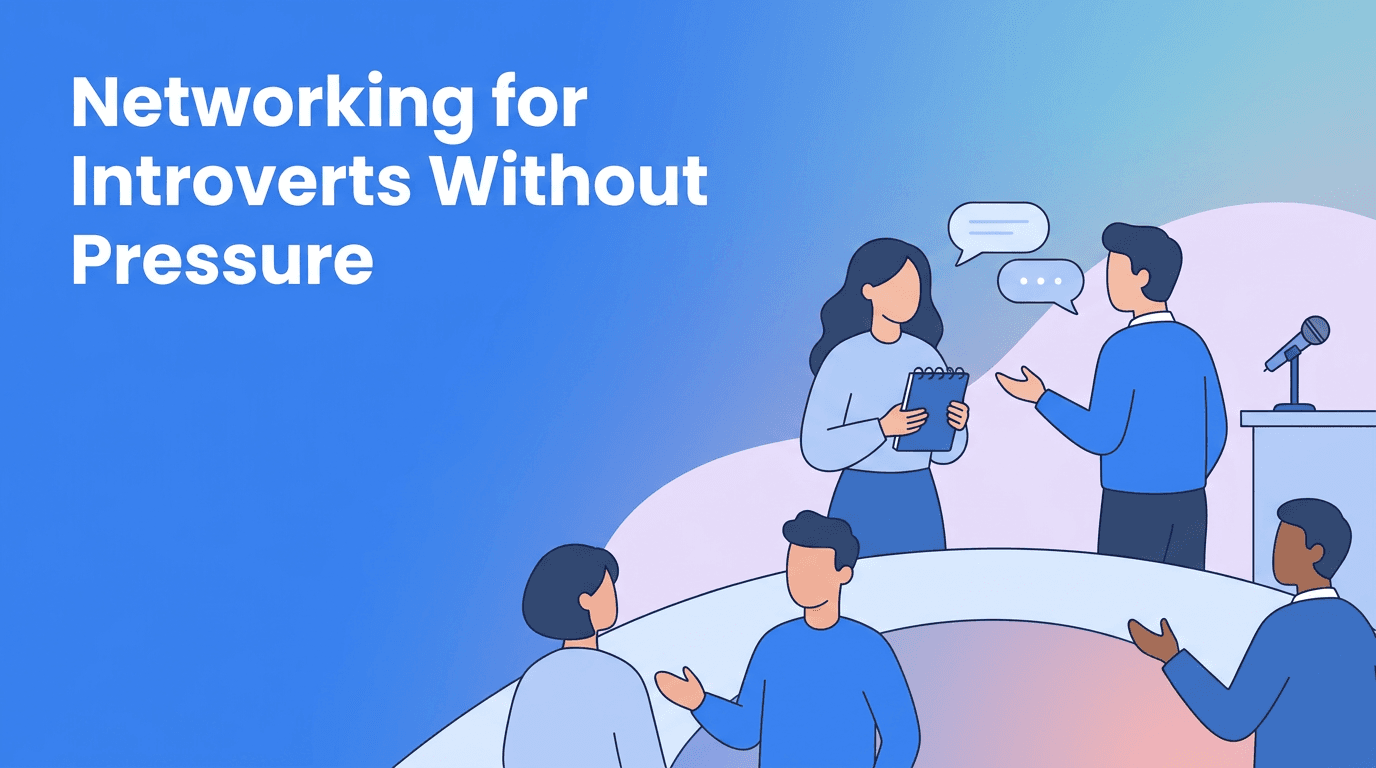
Networking for introverts does not have to mean becoming louder, more polished, or endlessly social. If social anxiety makes events feel overwhelming, a rapport-first approach can help you focus on one real connection at a time instead of trying to impress a room.
Why networking feels harder when you are an introvert
Many people assume that strong social skills are about being quick, funny, and talkative. In reality, good connection often comes from listening well, asking thoughtful questions, and making others feel comfortable. That is good news for the introvert who prefers depth over performance.
- You may feel pressure to seem interesting immediately
- Crowded rooms can overload your attention and energy
- Unstructured small talk can trigger social anxiety
- Past awkward moments can make public speaking or introductions feel riskier than they are
"Confidence in connection is not about owning the room. It is about being fully present with one person at a time."
A rapport-first mindset for better networking
The goal of networking for introverts is not to collect the most contacts. It is to create enough trust and warmth that a conversation can continue later. That is what rapport really is, a sense of ease, attention, and mutual interest.
Shift from performance to curiosity
Instead of asking, "How do I come across?" ask, "What can I learn about this person?" This small shift reduces self-focus, which often fuels social anxiety, and helps your natural strengths show up.
- Prepare 3 open-ended questions before an event
- Aim for 2 meaningful conversations, not 20 brief ones
- Use simple follow-ups like "What led you to that?" or "What are you focused on lately?"
- Notice shared details you can reflect back to build rapport
The 4-step conversation framework
1. Start narrow
Opening lines do not need to be clever. Comment on the setting, the topic of the event, or a shared experience. This makes networking for introverts feel more grounded and less like cold outreach.
2. Find one anchor
Listen for one detail you can return to, such as a project, challenge, city, or goal. Anchors make conversations smoother because you are not searching for the next topic from scratch.
3. Reflect and relate
You do not need a long story. A short response that reflects what you heard and adds a relevant detail is enough to build rapport. Example: "That sounds like a big transition. I also switched fields recently, and the learning curve was intense."
4. Close with clarity
If the conversation goes well, suggest one simple next step, such as connecting on LinkedIn, sharing a resource, or continuing later by email. Clear endings reduce awkwardness and strengthen your social skills over time.
Want guided support for social confidence?
Haply is an AI life coaching app for iOS and Android that helps you build confidence with personalized coaching, habit tracking, and tools like Meditation/Breathe and the Today Dashboard. If relationship stress or social anxiety is getting in the way, Haply's coaching can help you practice calmly and consistently.
Try Haply FreeHow to prepare before a networking event
Preparation matters more than charisma. When you lower uncertainty, your nervous system has less to fight against.
- Choose one realistic goal, such as having two conversations or staying for 30 minutes
- Practice a 15-second self-introduction out loud if public speaking makes you freeze
- Arrive early when the room is quieter and easier to scan
- Take short breaks outside or in the restroom to reset your energy
- Write one follow-up message template before the event so you do not overthink later
Small habits that strengthen rapport after the event
Real connection is often built after the first meeting. A thoughtful follow-up can matter more than a perfect first impression.
- Send a message within 24 hours mentioning a specific detail from your conversation
- Share one useful article, contact, or idea if relevant
- Keep your note short, warm, and easy to reply to
- Track your outreach in a simple habit system so consistency becomes easier
This is where tools can help. With Haply, you can use chat-based coaching, reminders, and streaks to practice outreach consistently without relying only on motivation.
What to remember when social anxiety spikes
If your heart races or your mind goes blank, it does not mean you are failing. It means your body is trying to protect you. Pause, slow your breathing, and return to the other person with one grounded question. Progress in networking for introverts comes from repetition, not perfection.
Frequently Asked Questions
How can introverts get better at networking?
Introverts often improve fastest by focusing on preparation, asking thoughtful questions, and aiming for a few meaningful conversations instead of many quick ones.
How do I build rapport when I have social anxiety?
Use simple tools like active listening, reflecting back one detail, and asking follow-up questions. These reduce pressure and help the conversation feel more natural.
What are the best social skills for introverts at events?
Listening well, asking open-ended questions, noticing shared interests, and ending conversations clearly are some of the most effective social skills for introverts.
Can public speaking anxiety affect networking?
Yes. If introductions or speaking in groups feel stressful, networking can feel harder too. Practicing a short introduction and using calming breathing techniques can help.